
What Is Identity Theft Insurance and Do You Need It?

Identity theft has evolved from a simple nuisance into a sophisticated, multi-billion-dollar criminal enterprise. With data breaches exposing millions of social security numbers, banking details, and passwords every year, malicious actors have more raw material than ever to open fraudulent lines of credit, file fake tax returns, or compromise medical records.
While practicing good cyber hygiene—like using strong passwords and shredding sensitive documents—is essential, it is often not enough to prevent determined cybercriminals. This is where identity theft insurance enters the conversation. But what does this coverage actually do, and more importantly, is it a necessary financial safety net for your household?
Understanding Identity Theft Insurance: How It Works
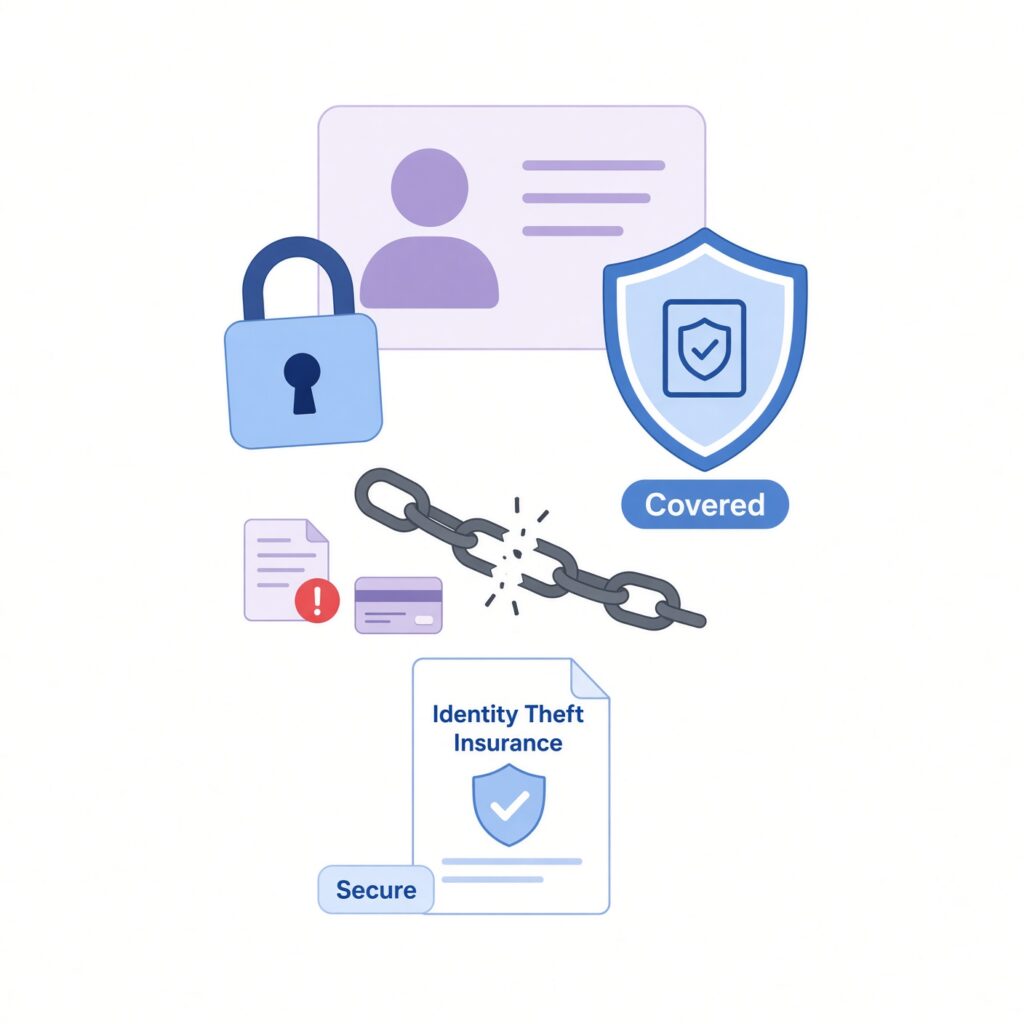
A common misconception is that identity theft insurance works like traditional property or auto insurance—meaning if a thief steals money from your bank account, the insurance company simply writes you a check to reimburse the stolen cash.
In reality, identity theft insurance covers the expenses required to restore your identity after fraud has occurred.
Think of it this way: homeowners insurance does not stop a severe storm from hitting your house; instead, it helps you pay for the repairs afterward. Similarly, identity theft insurance does not prevent a criminal from stealing your personal information. Instead, it provides financial reimbursement for the hidden out-of-pocket costs of getting your life back.
What Does Identity Theft Insurance Typically Cover?
When your identity is compromised, the damage extends far beyond a single unauthorized credit card charge. Restoring your name often requires countless hours of administrative work, legal consultation, and bureaucratic navigation.
Standard identity theft insurance policies generally reimburse you for eligible expenses incurred during the recovery process, including:
- Legal Fees: Costs associated with hiring an attorney to clear your name, fight fraudulent collections, or manage legal disputes.
- Lost Wages: Compensation for time taken off work to deal with creditors, law enforcement agencies, and credit bureaus.
- Administrative Costs: Certified mailing fees, notary services, long-distance phone charges, and application fees for reissuing documents like driver’s licenses or passports.
- Professional Restoration Services: Access to dedicated case managers or fraud specialists who can handle the heavy lifting of contacting financial institutions on your behalf.
Standalone Policies vs. Homeowners Insurance Endorsements
When shopping for identity theft coverage, you generally have two primary avenues: purchasing a standalone policy or adding an endorsement to your existing insurance.
- Homeowners or Renters Insurance Riders: Many major property and casualty insurers offer identity theft protection as a low-cost add-on (endorsement) to standard homeowners or renters policies. These typically cost just a few dollars extra per month and provide coverage limits ranging from $15,000 to $25,000 (with some insurers offering higher tiers).
- Standalone Protection Plans: Companies specializing in digital security and credit monitoring offer comprehensive plans. These packages frequently bundle real-time credit bureau monitoring, dark web surveillance, VPN services, and device protection alongside robust identity theft insurance policies that can feature coverage limits up to $1 million.
Do You Actually Need Identity Theft Insurance?
Deciding whether to purchase coverage depends on your personal risk tolerance, existing safeguards, and how much value you place on professional recovery support.
To help evaluate whether you need a policy, consider the following points:
- You Value Expert Guidance Over DIY Stress: Cleaning up identity theft is notoriously frustrating. Dealing with multiple financial institutions, filling out complex fraud affidavits, and placing freezes on credit reports can take dozens of hours. Having a dedicated specialist guide you through the process can be invaluable.
- You Already Have Built-In Protections: Check your current policies. You might already have identity theft expense coverage bundled into your homeowners, renters, or umbrella insurance policy, or provided as a perk through a premium credit card or employer-sponsored benefit.
- The Cost-to-Benefit Ratio: Standalone insurance or basic riders are relatively inexpensive—often ranging from $25 to $60 per year for basic expense reimbursement, while full monitoring suites range from $10 to $60 per month. For many consumers, the small annual fee is worth the peace of mind.
Key Questions to Ask Before Buying a Policy

If you decide that coverage is right for your household, make sure to read the fine print before signing up. Keep these critical questions in mind:
- Are direct financial losses covered? Clarify whether the policy covers unauthorized electronic fund transfers or only out-of-pocket restoration expenses. Remember that federal laws (like the Fair Credit Billing Act and Electronic Fund Transfer Act) already limit your liability for unauthorized credit and debit card transactions if reported promptly, meaning your primary exposure is often the time and hassle of recovery rather than massive cash loss.
- What is the policy limit and deductible? Ensure the maximum payout meets your expectations and check whether a deductible applies before reimbursement kicks in.
- Who is covered under the plan? Verify whether the policy protects just you as an individual or extends to your spouse, domestic partner, and dependent children.
Securing Your Digital Peace of Mind
Identity theft insurance will not stop a cybercriminal from attempting to access your data, nor is it a substitute for cautious online habits. However, as data breaches grow increasingly common, having a policy in place ensures that if the worst happens, you won’t have to navigate the financial and administrative fallout alone. By weighing your existing coverage options against the low cost of a policy, you can make an informed choice that keeps your financial future secure.