
How Credit Cards Actually Impact Your Credit Score

Managing credit cards can often feel like navigating a maze blindfolded. You swipe, you pay your bill, but behind the scenes, a complex algorithm is constantly calculating your creditworthiness. Your credit score is more than just a three-digit number—it is a financial passport. Whether you want to rent an apartment, buy a car, secure a mortgage, or even land a job, this single metric plays a monumental role in your financial life.
If you have ever wondered how your everyday credit card habits directly influence your score, you are in the right place. In this comprehensive guide, we will break down the mechanics of credit scoring, debunk common myths, and provide actionable strategies to help you build and maintain a stellar credit profile—all without needing a degree in finance.
What Is a Credit Score and Why Does It Matter
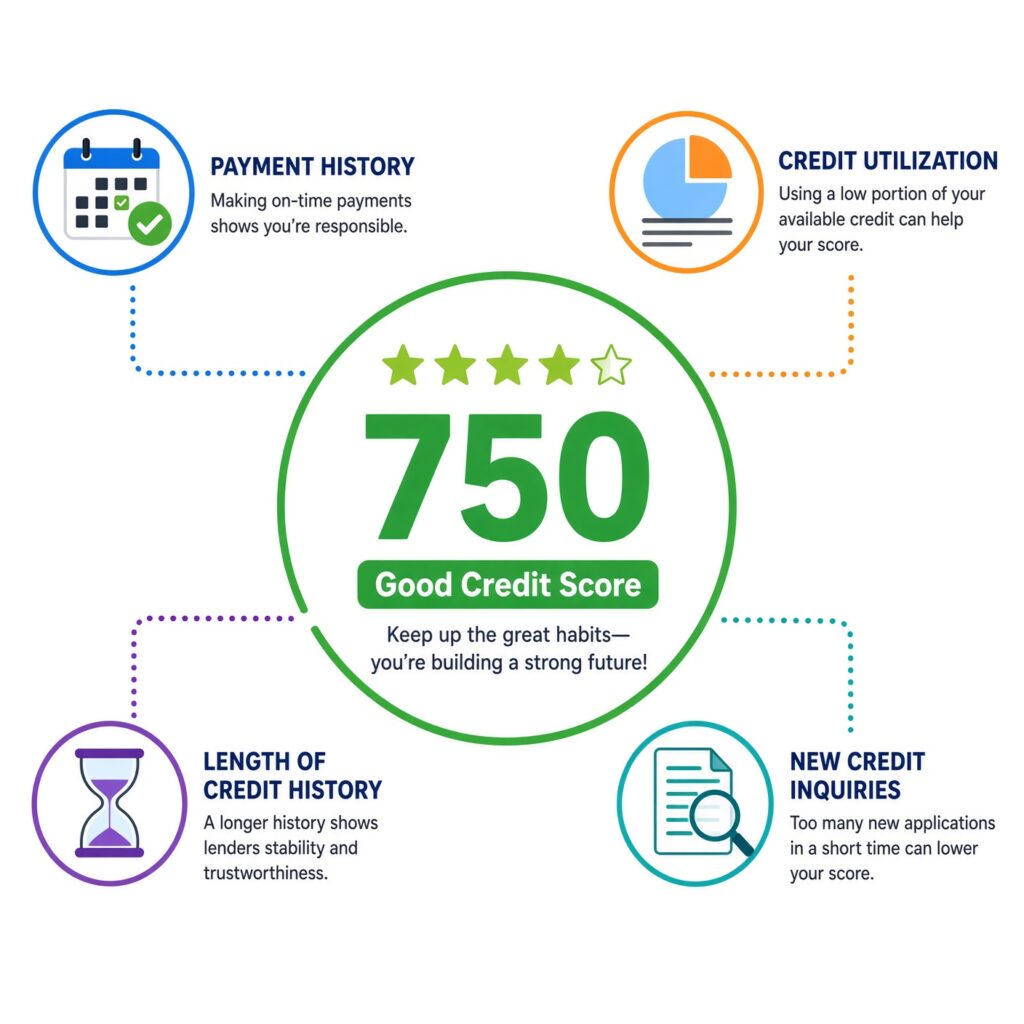
Before diving into how credit cards affect your score, it is essential to understand what a credit score actually represents. In the United States, credit scores typically range from 300 to 850. These scores are calculated primarily by three major credit bureaus: Equifax, Experian, and TransUnion.
The two most common scoring models you will encounter are FICO Score and VantageScore, with the FICO score being the industry standard used by the vast majority of lenders.
Your credit score is essentially a risk assessment tool. Lenders use it to predict how likely you are to repay borrowed money on time. A higher score signals to lenders that you are a responsible borrower, which unlocks significant financial benefits:
- Lower Interest Rates: Higher scores qualify you for lower Annual Percentage Rates (APRs), saving you thousands of dollars in interest over the life of a loan or credit card.
- Higher Approval Odds: You are much more likely to be approved for premium credit cards, auto loans, and mortgages.
- Better Insurance Premiums: In many states, insurance companies use credit-based insurance scores to determine auto and homeowners insurance rates.
- Fewer Deposit Requirements: Utility companies, landlords, and cell phone carriers often waive security deposits for individuals with strong credit scores.
The Anatomy of Your Credit Score: The FICO Breakdown
To understand how credit cards influence your score, you must first understand the ingredients that make up the recipe. The standard FICO scoring model is built on five distinct categories, each carrying a different weight:
| Category | Weight |
|---|---|
| Payment History | 35% |
| Amounts Owed (Credit Utilization) | 30% |
| Length of Credit History | 15% |
| New Credit | 10% |
| Credit Mix | 10% |
As you can see, Payment History and Amounts Owed make up a staggering 65% of your total FICO score. Because credit cards directly impact both of these categories, how you manage your plastic has a profound, almost immediate effect on your financial standing.
How Payment History (35%) Drives Your Score
Payment history is the single most influential factor in determining your credit score, accounting for 35% of the total calculation. Lenders want to know one primary thing: Will this person pay me back on time?
When you use a credit card, every single monthly payment is reported to the major credit bureaus.
On-Time Payments: The Foundation of Good Credit
Making your minimum payment—or better yet, paying your statement balance in full—by the due date every single month builds a positive payment history. Over time, a long track record of on-time payments proves your reliability as a borrower.
The Damage of Late Payments
Conversely, slipping up can severely hurt your score. A payment is generally not reported as late to the credit bureaus until it is 30 days past due. However, once it crosses that threshold, the damage is done.
- A single 30-day late payment can cause a significant drop in your credit score, especially if you previously had excellent credit.
- Late payments can remain on your credit report for up to seven years, though their negative impact diminishes over time.
Setting Up Defenses Against Late Payments
Life gets busy, and it is easy to forget a due date. To protect your credit score, implement these simple safeguards:
- Enroll in Autopay: Set up automatic payments for at least the minimum amount due. This ensures you never miss a payment due to forgetfulness.
- Set Up Calendar Alerts: Create digital reminders a few days before your actual due date to manually review your statement and make a payment.
Mastering Credit Utilization (30%)
The second largest component of your credit score is amounts owed, commonly referred to as credit utilization. This accounts for 30% of your FICO score and measures the percentage of your available revolving credit that you are currently using.
How Credit Utilization is Calculated
Credit utilization is calculated on both a per-card basis and an aggregate (total) basis.
Formula: Credit Utilization = (Total Revolving Balance / Total Credit Limit) × 100
For example, if you have a single credit card with a limit of $10,000 and your current balance is $3,000, your credit utilization is 30%.
The Magic Thresholds: Keeping Utilization Low
Credit scoring models favor low utilization because high utilization suggests that a consumer might be overextended or relying too heavily on borrowed money.
- The 30% Rule: As a general rule of thumb, experts recommend keeping your credit utilization below 30% across all cards and on each individual card.
- The Optimal Range: For maximum point potential, keeping your utilization below 10% is ideal.
A Common Misconception: Paying In Full vs. Statement Dates
Many people believe that as long as they pay their bill in full every month, their credit utilization is automatically 0%. However, credit card companies typically report your balance to the credit bureaus on your statement closing date, not your payment due date.
If you max out a $5,000 limit card and pay it off entirely by the due date, but your statement closing date captured that $5,000 balance, the bureaus will temporarily see a 100% utilization rate for that month, causing a temporary dip in your score.
Pro Tip: If you need to optimize your score before applying for a major loan, make multiple payments throughout the month to keep your reported balance consistently low.
The Role of Credit History Length (15%)
Accounting for 15% of your score, the length of your credit history reflects how long your credit accounts have been open. Generally speaking, a longer credit history provides credit scoring models with more data to evaluate your reliability, which usually translates to a higher score.
This category looks at three main metrics:
- The age of your oldest account: The longer your oldest line of credit has been open, the better.
- The age of your newest account: Opening new accounts recently lowers your average account age.
- The average age of all your accounts: Calculated by taking the sum of the ages of all open accounts divided by the total number of accounts.
Why Closing Old Credit Cards Can Backfire
A common mistake consumers make is closing an old, unused credit card—especially one with no annual fee. When you close an old account, you remove that history from your active profile. While closed accounts in good standing can remain on your credit report for up to ten years, eventually dropping off can shorten your average account age and reduce your total available credit limit, which spikes your utilization ratio.
Navigating New Credit and Hard Inquiries (10%)
Every time you apply for a new credit card or loan, the lender requests a copy of your credit report. This triggers a hard inquiry, which accounts for 10% of your credit score.
Hard Inquiries vs. Soft Inquiries
- Soft Inquiries: Checking your own credit score, pre-qualified credit card offers, or background checks by employers do not affect your credit score.
- Hard Inquiries: Formal applications for credit cards, auto loans, or mortgages result in hard inquiries. A single hard inquiry typically causes a minor, temporary drop of a few points, which usually bounces back within a few months of responsible use.
The Danger of Opening Too Many Accounts at Once
Applying for multiple credit cards in a short span signals to lenders that you may be experiencing financial distress or suddenly taking on excessive risk. This can result in multiple hard inquiries and a sharply lowered score.
Rate Shopping Exception
Scoring models recognize that when consumers shop for a mortgage, auto loan, or student loan, they are comparing rates. Therefore, multiple inquiries for these specific types of loans within a focused window (typically 14 to 45 days, depending on the scoring model) are treated as a single inquiry. Note that this exception does not apply to credit card applications.
The Impact of Credit Mix (10%)
The final 10% of your FICO score is determined by your credit mix. Lenders like to see that you can successfully manage different types of credit accounts, such as:
- Revolving credit (credit cards, retail store cards)
- Installment loans (mortgages, auto loans, personal loans, student loans)
While you do not need to rush out and take out a loan just to improve your credit mix, having a healthy combination of revolving credit cards and installment loans demonstrates financial versatility.
Actionable Strategies to Optimize Your Credit Score Using Credit Cards
Now that you understand the mechanics, let us look at practical, advanced strategies to leverage credit cards for maximum score growth.
1. Become an Authorized User
If you are starting your credit journey or trying to recover from past missteps, becoming an authorized user on a trusted family member or spouse’s seasoned credit card can be a powerful shortcut.
- As long as the primary account holder maintains a pristine payment history and low utilization, that positive history is mirrored on your credit report.
- Note: Ensure the card issuer reports authorized user activity to all three major bureaus.
2. Request Credit Limit Increases
Because credit utilization is calculated based on your total credit limit, increasing your limit without spending more money instantly lowers your utilization ratio.
- Call your credit card issuer or request an increase via their mobile app every 6 to 12 months.
- Ensure the issuer performs a soft inquiry rather than a hard inquiry for the increase.
3. Keep Unused Cards Active
To prevent card issuers from closing your accounts due to inactivity, make a small recurring purchase (like a streaming subscription or a monthly coffee) on older, unused cards and set up autopay to pay the balance in full every month. This keeps the account active, preserves your credit history length, and maintains your overall credit limit.
Your Credit Score Checklist
Building and maintaining a healthy credit score with credit cards is a marathon, not a sprint. By focusing on the core principles of responsible usage, you can steadily watch your score climb:
- Pay every bill on time, every single time. Set up autopay for peace of mind.
- Keep your credit utilization below 30% (and ideally below 10%) at all times.
- Keep older accounts open and active to maximize your credit history length.
- Limit new credit card applications to avoid unnecessary hard inquiries.
- Monitor your credit report regularly for errors or fraudulent activity.
By mastering these habits, your credit cards transform from potential financial pitfalls into powerful tools that pave the way for a secure and prosperous financial future.