How disputing a fraudulent purchase works

When you spot an unfamiliar transaction on your credit card statement, it can trigger an immediate sense of panic. Whether it is a small, unverified charge from an unknown merchant or a large purchase made thousands of miles away, dealing with credit card fraud is stressful. Fortunately, financial institutions and consumer protection laws provide a robust safety net designed to protect cardholders from financial loss due to unauthorized activity. This safety net is known as a credit card dispute or a chargeback.
A credit card dispute is a formal process initiated by the cardholder through their issuing bank to reverse a disputed transaction. Unlike debit cards, which draw money directly from your checking account, credit cards use the bank’s line of credit. When you dispute a charge on a credit card, you are essentially asking your bank to investigate the transaction and withhold payment to the merchant while the issue is resolved. During this period, you are typically not required to pay the disputed amount, and the charge will not accrue interest.
Navigating the aftermath of financial fraud requires a clear understanding of your rights and the steps involved. By breaking down the mechanism of credit card disputes, this guide will walk you through everything you need to know to protect your finances, resolve fraudulent charges efficiently, and prevent future incidents.
The Legal Protections: Understanding the Fair Credit Billing Act (FCBA)
In the United States, consumer rights regarding credit card disputes are heavily protected by federal law. The cornerstone of these protections is the Fair Credit Billing Act (FCBA), enacted in 1974. Understanding how the FCBA applies to your situation is essential for navigating the dispute process successfully and ensuring that your bank adheres to strict legal standards.
The FCBA establishes procedures for resolving billing errors on credit accounts. Under this act, “billing errors” encompass much more than mathematical mistakes on your monthly statement. Legally, the FCBA defines qualifying billing errors to include:
- Unauthorized charges: Any charge made by someone who does not have your express or implied authority to use your card. (Note: If your physical card is lost or stolen, your liability for unauthorized charges is federally capped at 50 dollars under the Truth in Lending Act, though virtually all major credit card issuers offer Zero Liability Protection, meaning you pay nothing).
- Charges for goods or services you did not accept: This includes items delivered to the wrong address, items that differ significantly from what was described at the time of purchase, or services that were never rendered.
- Mathematical or accounting errors: Mistakes made by the creditor on your monthly billing statement.
- Charges for goods and services you never received: Purchases where you paid for an item or service, but the merchant failed to deliver it.
- Failure to credit payments: Instances where payments, returns, or credits made to your account were not properly applied.
To take full advantage of the protections offered by the FCBA, timing is critical. You must send a written notice of the billing error to your credit card issuer within 60 days after the first billing statement containing the error was mailed to you. While many banks allow you to report fraud over the phone or through their mobile app much later, submitting a formal written notice within this 60-day window guarantees your full legal protections under federal law.
Step-by-Step Guide: How to Report and Dispute a Fraudulent Transaction
When you identify a fraudulent charge, acting quickly is your best defense. The procedure for disputing a transaction is standardized across most major financial institutions, though the exact interface of your bank’s mobile app or website may vary. Follow this comprehensive, step-by-step roadmap to ensure your dispute is handled efficiently and effectively.
Step 1: Review and Verify the Transaction
Before initiating a formal dispute, take a moment to ensure the charge is genuinely fraudulent. It is surprisingly common for merchants to use a third-party billing descriptor that does not match the store name you recognize.
- Check the merchant name: Search the exact name appearing on your statement online. Many companies use a parent company name or a payment processor name (like PayPal, Stripe, or Square) for billing.
- Check with household members: If you share a credit card or authorized user accounts, ask family members if they authorized the purchase.
- Look for recurring subscriptions: Verify whether a free trial has converted into an automated monthly or annual subscription.
Step 2: Contact the Merchant Directly (When Applicable)
If the transaction is not outright identity theft or stolen card fraud—meaning it is a merchant dispute over unreceived goods, poor service, or a canceled order—it is often wise to contact the merchant first. Request a refund or cancellation. If the merchant refuses to cooperate or fails to respond within a reasonable timeframe, you have grounds to escalate the issue to your bank. However, if your card details were stolen by an unknown actor, skip this step entirely and go straight to your bank.
Step 3: Notify Your Credit Card Issuer Immediately
Contact your bank or card issuer as soon as you confirm fraud. You can usually do this through several channels:
- Mobile App or Online Portal: Most modern banking apps allow you to tap on a transaction, select “Report an Issue” or “Dispute Charge,” and follow the guided prompts.
- Phone Support: Call the customer service number printed on the back of your credit card. Speak directly to a representative in the fraud department.
Step 4: Freeze or Cancel Your Compromised Card
If unauthorized charges appear on your account, your card information has likely been compromised. Request that the bank permanently close the account and issue a brand-new card with a new account number, expiration date, and CVV code. If your bank offers a temporary “freeze” or “lock” feature, use it immediately to block any pending or future unauthorized transactions while replacement cards are mailed to you.
Step 5: Submit Supporting Documentation
Depending on the nature of the dispute, your bank may request documentation to support your claim. This may include:
- A signed affidavit of fraud (certifying under penalty of perjury that you did not make or authorize the purchase).
- Copies of emails, receipts, or cancellation confirmations if it is a merchant dispute.
- A police report number (typically required only for severe cases of identity theft or large-scale financial fraud).
The Chargeback Lifecycle: What Happens Behind the Scenes?
Once you submit your dispute to your credit card issuer, a complex financial workflow begins behind the scenes. Known as the chargeback lifecycle, this process involves your bank (the issuer), the payment network (such as Visa, Mastercard, American Express, or Discover), and the merchant’s bank (the acquirer). Understanding this lifecycle helps manage your expectations regarding timelines and potential outcomes.
[Cardholder Submits Dispute]
           │
           ▼
[Issuer Reviews & Provisionally Credits Account]
           │
           ▼
[Request Sent to Merchant's Bank (Acquirer)]
           │
           ▼
[Merchant Accepts OR Fights (Representment)]
           │
           ├──────────────────────────────┐
           ▼                              ▼
    [Merchant Accepts]          [Merchant Fights Back]
           │                              │
           ▼                              ▼
    [Dispute Closed Won]       [Issuer Evaluates Evidence]
                                          │
                                          ├──────────────┬──────────────┐
                                          ▼              ▼              ▼
                                     [Cardholder   [Merchant    [Arbitration via
                                        Wins]        Wins]     Payment Network]
1. Provisional Credit
Under federal regulations and standard banking policies, your card issuer will typically issue a provisional credit to your account while the investigation is underway. This means the disputed amount is temporarily credited back to your balance so you do not have to pay it while the case is open. If the dispute is resolved in your favor, the provisional credit becomes permanent. If the merchant successfully proves the charge was legitimate, the credit may be reversed.
2. Investigation and Representment
Your bank forwards the dispute details to the merchant’s bank. The merchant then has a set period (usually between 30 to 45 days) to respond. The merchant can respond in one of two ways:
- Accepting the chargeback: The merchant agrees they are at fault, and the dispute is resolved permanently in your favor.
- Representment: The merchant fights the chargeback by submitting compelling evidence (such as delivery tracking numbers signed by you, IP address logs, matching billing and shipping addresses, or security camera footage) attempting to prove that the transaction was valid.
3. Final Resolution and Arbitration
If the merchant submits counter-evidence, your bank reviews the documentation. If the merchant’s proof is sufficient, the bank may rule against you and remove the provisional credit. However, if you have strong counter-arguments, you can appeal the decision. In complex disputes, the case can even be escalated to binding arbitration managed directly by the payment networks (Visa or Mastercard), where a final, binding decision is rendered.
Common Reasons Credit Card Disputes Get Denied

While credit card protections are powerful, banks do not automatically approve every dispute. Knowing why disputes get denied can help you avoid common pitfalls and present a foolproof case. Here are the most frequent reasons chargebacks are rejected:
- Friendly Fraud: This occurs when a cardholder makes a legitimate purchase—sometimes forgetting about it, or experiencing “buyer’s remorse”—and then falsely claims it was unauthorized. Banks and merchants track purchase patterns closely, and fraudulent claims can lead to denied disputes or even account closure.
- Authorized Users: If you gave a family member, partner, or friend permission to use your card (or stored your card on their device), purchases made by them are generally considered authorized by law, even if they spent more than you intended.
- Failure to Provide Evidence: If your bank requests a signed fraud affidavit or transaction details and you fail to respond within their strict deadlines, the dispute will automatically be closed due to lack of cooperation.
- Missing the Deadline: Waiting too long to report a fraudulent transaction past the bank’s internal reporting window (often 60 to 120 days from the statement date) forfeits your right to a chargeback.
Proactive Strategies to Prevent Credit Card Fraud
The absolute best way to handle a fraudulent credit card charge is to prevent it from happening in the first place. Cybercriminals and identity thieves are constantly evolving their tactics, but adopting proactive financial hygiene habits can dramatically reduce your risk.
1. Leverage Real-Time Transaction Alerts
Log into your credit card mobile app and configure instant push notifications or SMS alerts for every single transaction. Set thresholds so that you are notified immediately of any charge over zero dollars, international purchases, online transactions, or gas station swipes. Catching a fraudulent charge within minutes allows you to lock your card before the thief can make multiple purchases.
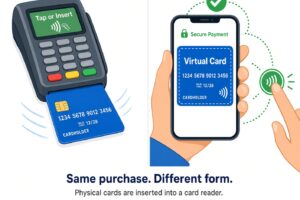
2. Use Virtual Credit Cards for Online Shopping
Many modern credit card issuers and financial tech platforms offer virtual card numbers. When shopping at unfamiliar online retailers, you can generate a temporary, single-use card number linked to your real account. Even if the merchant’s website suffers a massive data breach, hackers cannot access your real card number or make subsequent unauthorized charges.
3. Practice Safe Browsing and Public Wi-Fi Habits
Never enter your credit card details on unencrypted websites (look for https:// and the padlock icon in the URL bar). Avoid making financial transactions or logging into banking apps while connected to unsecured, public Wi-Fi networks in airports, coffee shops, or hotels unless you are using a secure Virtual Private Network (VPN).
4. Monitor Your Credit Reports Regularly
Identity theft often goes beyond a single stolen card; criminals may open new lines of credit in your name. Take advantage of free annual credit reports available through official government-mandated channels, or use credit monitoring services provided by your bank or credit card companies to keep an eye on your credit score and active accounts.
What to Do If Your Dispute Is Denied
Receiving a notice that your credit card dispute has been denied can be frustrating, but it does not necessarily mean your journey ends there. If you firmly believe a transaction was fraudulent and your bank rejected your initial claim, you have several avenues of recourse:
- Request Additional Documentation: Ask your bank for the exact reason for the denial and request copies of the evidence submitted by the merchant during the representment process.
- Submit Reconsideration Evidence: If you discover new evidence—such as proof that you were traveling elsewhere at the time of the transaction, police reports, or written communication proving a merchant failed to deliver—you can ask the bank to reopen the case.
- File a Complaint with Regulatory Agencies: If you feel your bank or credit card issuer is failing to uphold federal consumer protection laws under the Fair Credit Billing Act, you can file a formal complaint with the Consumer Financial Protection Bureau (CFPB). Financial institutions take CFPB complaints very seriously and are legally required to respond within a strict timeframe.
- Contact the Federal Trade Commission (FTC): If the incident involves comprehensive identity theft, report it immediately at IdentityTheft.gov to generate an official recovery plan and federal report.
Empowering Your Financial Security
Dealing with credit card fraud is an unfortunate reality in the modern digital economy, but you are far from powerless. By understanding how credit card disputes work under the Fair Credit Billing Act, acting swiftly when unauthorized charges appear, and maintaining diligent security habits, you can safeguard your hard-earned money.
Remember that your credit card issuer is your partner in fighting fraud. Utilizing features like real-time transaction alerts, virtual card numbers, and prompt reporting mechanisms ensures that you stay one step ahead of scammers. Stay vigilant, review your statements regularly, and take full advantage of the robust consumer protections designed to keep your financial life secure.