How Does Robinhood’s Mobile Trading App Work?

Investing used to feel like an exclusive club reserved for Wall Street professionals, wealthy individuals, and people willing to pay hefty fees for every single trade. Traditional brokerages often charged commissions ranging from five to twenty dollars per transaction, making it difficult for everyday people to invest smaller amounts of money without losing a significant portion of their funds to transaction costs.
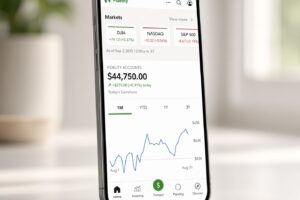
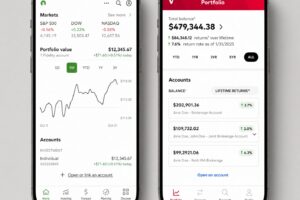
Everything changed with the introduction of mobile-first brokerages, and no company revolutionized this space quite like Robinhood. Launched with the mission to “democratize finance for all,” Robinhood’s mobile trading app transformed how a whole generation interacts with the stock market. By removing commission fees and introducing an intuitive, game-like mobile interface, Robinhood turned smartphone screens into personal trading desks for millions of people.
If you are new to the world of finance and wondering how this famous app actually operates, you are in the right place. This comprehensive guide will break down everything you need to know about how Robinhood’s mobile trading app works, how it makes money despite offering commission-free trades, how to get started safely, and the key features that make it unique—all explained in simple, everyday language.
What Is Robinhood and Why Did It Change the Investing Landscape?
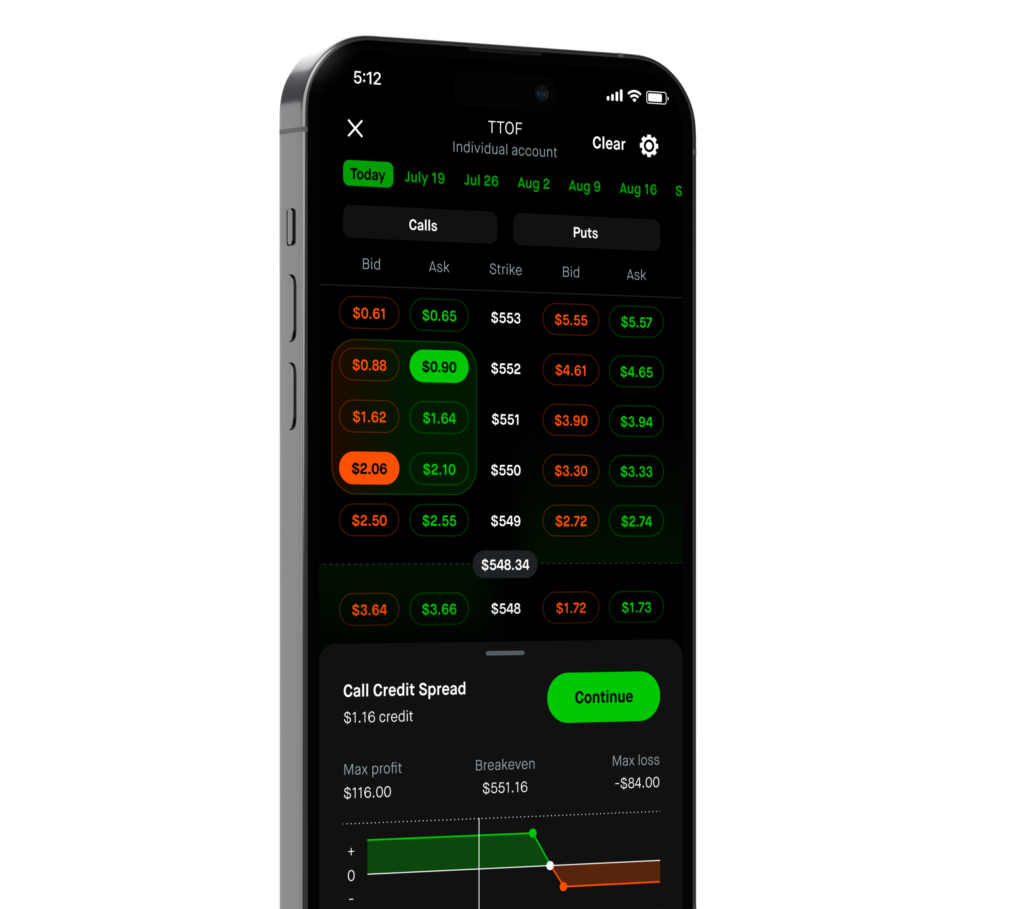
At its core, Robinhood is a financial services platform operated primarily through a mobile app available on iOS and Android devices, as well as a web-based dashboard. It functions as a registered broker-dealer, meaning it acts as the middleman between you (the investor) and the stock exchanges where shares of companies like Apple, Tesla, or Microsoft are bought and sold.
Before Robinhood became a household name, buying a stock required opening an account with a traditional brokerage firm, filling out complex paperwork, depositing a substantial minimum balance, and paying a fee every time you bought or sold. Robinhood disrupted this traditional business model by introducing three major pillars:
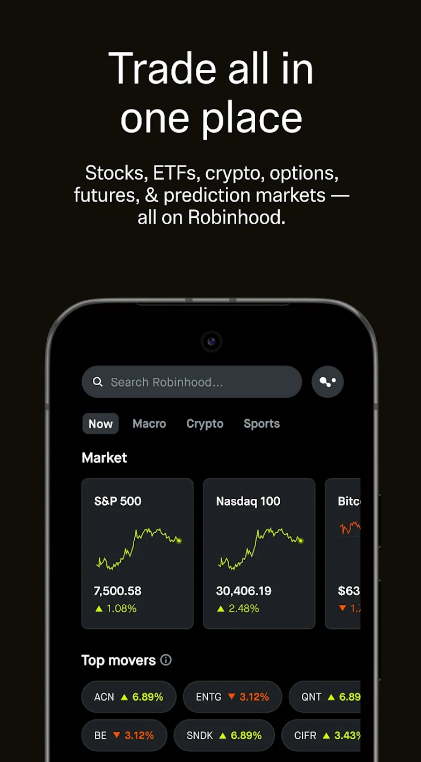
- Commission-Free Trading: You can buy and sell stocks, exchange-traded funds (ETFs), options, and cryptocurrencies without paying transaction fees to the platform.
- Fractional Shares: Instead of needing hundreds of dollars to buy a single share of an expensive company, users can invest as little as one dollar to buy a tiny slice (a fraction) of a share.
- Radical Simplicity: The user interface is clean, modern, and stripped of the cluttered charts, jargon, and complicated tables that traditionally intimidated beginner investors.
By lowering financial barriers, Robinhood opened the doors of the stock market to millions of retail investors who previously thought investing was out of reach.
Step-by-Step: How to Get Started on the Robinhood App
Getting started with Robinhood is designed to be as simple as setting up a social media account. However, because it is a regulated financial platform, it must comply with federal security and identity verification laws. Here is a step-by-step breakdown of how the onboarding process works:
1. Downloading and Installing the Application
You begin by downloading the official Robinhood app from the Apple App Store or the Google Play Store. Once installed, you create an account by providing an email address, creating a secure password, and establishing two-factor authentication to protect your financial data.
2. Filling Out the Application and Providing Personal Information
To comply with United States financial regulations—specifically those set by the Securities and Exchange Commission (SEC) and the Financial Industry Regulatory Authority (FINRA)—every brokerage must verify the identity of its users to prevent fraud, money laundering, and illegal financial activities. You will be asked to provide:
- Your full legal name and date of birth.
- Your residential address in the United States.
- Your Social Security Number (SSN) or Taxpayer Identification Number.
- Basic details regarding your employment status, annual income, and investment experience.
3. Linking Your Bank Account
Once your identity is verified, you need to fund your account. Robinhood integrates with thousands of major U.S. banks through secure third-party verification services like Plaid. You can log into your online banking portal directly through the app to link your checking or savings account securely.
4. Making Your First Deposit and Instant Buying Power
When you transfer money from your bank account, standard traditional transfers can take a few business days to clear. To solve this friction, Robinhood offers Instant Deposits. Depending on your account tier, a portion of your transferred funds—often up to one thousand dollars or more—becomes available immediately as “Buying Power,” allowing you to purchase stocks before the cash physically leaves your bank account.
Core Features: How Buying and Selling Works on Robinhood
Once your account is funded, navigating the app to execute trades is remarkably straightforward. Understanding the mechanics of how orders work will help you avoid costly mistakes.
Searching and Analyzing Stocks
The app features a search bar where you can look up companies by their name or their unique ticker symbol (for example, typing “AAPL” for Apple or “MSFT” for Microsoft). When you select a stock, Robinhood displays:
- The Current Price: The live price of a single share during market hours.
- Interactive Price Charts: Visual graphs showing how the stock’s value has changed over the course of a day, a week, a month, a year, or multiple years.
- Key Statistics: Vital financial metrics such as market capitalization, P/E ratio, 52-week high and low, and average daily trading volume.
- Analyst Ratings: Aggregated consensus estimates from Wall Street analysts indicating whether they suggest buying, holding, or selling the stock.
- Recent News: Curated headlines and articles related to the company from major financial news outlets.
Placing an Order: Market Orders vs. Limit Orders
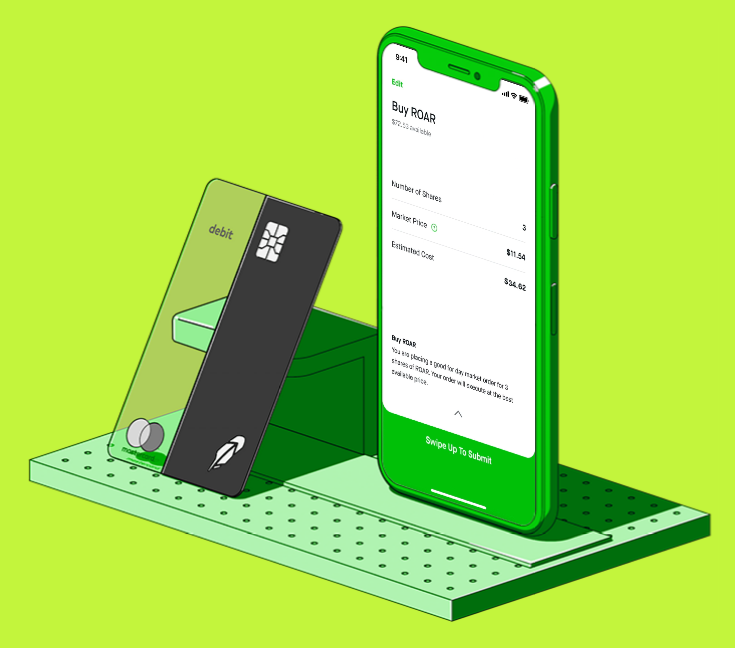
When you decide to purchase a stock, you tap the “Trade” button and choose between buying shares or buying by dollar amount. You will then encounter different types of orders:
- Market Order: This tells Robinhood to buy or sell the stock immediately at the current available market price. While it guarantees that your order will be executed quickly, the exact price you pay might fluctuate slightly by the time the order goes through.
- Limit Order: This allows you to set a specific price at which you are willing to buy or sell. For example, if a stock is currently trading at one hundred dollars, but you only want to buy it if the price drops to ninety-five dollars, you can set a buy limit order. The trade will only execute if the stock price hits ninety-five dollars or lower.
Understanding Market Hours
The standard U.S. stock market (the New York Stock Exchange and Nasdaq) is open from Monday through Friday, 9:30 AM to 4:00 PM Eastern Time. Robinhood also provides Extended-Hours Trading, allowing users to trade pre-market (as early as 7:00 AM Eastern Time) and after-hours (as late as 8:00 PM Eastern Time) depending on the account type, giving investors more flexibility to react to corporate earnings reports and breaking economic news.
Decoding Robinhood’s Business Model: How Do They Make Money If Trades Are Free?
A common question asked by beginners is: “If Robinhood doesn’t charge commissions on trades, how do they stay in business and make a profit?”
It is a completely logical question. Robinhood is a publicly traded corporation with operating expenses, employees, and shareholders. They do not make money by charging you a fee per trade, but they generate revenue through several clever, alternative streams:
1. Payment for Order Flow (PFOF)
This is Robinhood’s most well-known revenue generator. When you place a trade on Robinhood, the order is not sent directly to the public stock exchange floor. Instead, Robinhood routes your order to high-frequency trading firms and market makers (such as Citadel Securities or Virtu Financial).
These market makers pay Robinhood a tiny fraction of a cent per share for the right to execute those trades. Because Robinhood handles millions of trades daily from retail investors, these micro-payments add up to significant revenue. Market makers profit from the microscopic difference between the buying and selling price (known as the bid-ask spread). While PFOF has faced regulatory scrutiny regarding whether retail investors get the absolute best execution price, it is the primary engine that makes commission-free trading possible across the entire modern brokerage industry.
2. Robinhood Gold (Subscription Fees)
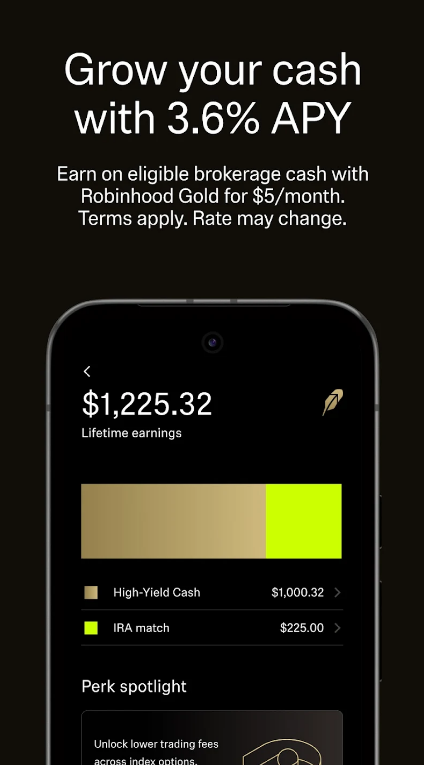
Robinhood offers a premium monthly subscription tier called Robinhood Gold. For a flat monthly fee, subscribers gain access to enhanced features such as:
- Higher interest rates on uninvested cash sweeps.
- Professional research reports from Morningstar.
- Level II market data (showing deeper order book depth and market demand).
- Larger instant deposit limits and lower interest rates on margin borrowing.
3. Interest on Uninvested Cash (Cash Sweeps)
When you deposit money into Robinhood, any cash that is not actively invested in stocks sits in your account balance. Through their cash sweep program, Robinhood partners with program banks to sweep these uninvested cash balances into interest-bearing accounts. Robinhood earns revenue by keeping a portion of the interest generated, while passing a competitive yield back to the user.
4. Margin Investing
Robinhood allows eligible users to borrow money from the brokerage to purchase additional stocks—a practice known as trading on margin. Robinhood charges interest on the borrowed funds, creating a steady stream of recurring revenue. Margin investing carries high financial risk because you can lose more money than you initially deposited, making it a feature targeted more toward experienced investors.
5. Cryptocurrency Trading Spreads and Fees
While Robinhood popularized commission-free stock trading, cryptocurrency trading on the platform operates slightly differently. Instead of explicit commissions, Robinhood incorporates a hidden spread into the price of cryptocurrencies like Bitcoin and Ethereum when users buy or sell, or charges transaction-based revenue structures depending on the specific asset and network conditions.
Exploring Fractional Shares: Investing with Pocket Change
One of the greatest barriers to entry for new investors historically was the absolute price of individual shares. For instance, if a single share of a major technology company cost eight hundred dollars, a beginner with only fifty dollars in savings could not participate.
Robinhood solved this problem by introducing Fractional Shares, often referred to within the app as “Investing by Dollar Amount.”
Instead of buying whole shares, you can choose to invest a specific cash amount—say, ten dollars—into any participating company or ETF. Robinhood purchases a fraction of a share on your behalf that corresponds to your dollar amount. If the stock appreciates in value, your fractional share grows proportionally. This democratization of investing allows anyone to build a diversified portfolio of top-tier companies regardless of their net worth.
Cash Management and Automated Investing: Building Long-Term Wealth
Robinhood has evolved far beyond a simple app for day trading tech stocks. Over the years, the platform has rolled out robust tools designed to encourage long-term financial health and disciplined wealth accumulation.
Automated Investments and Recurring Buys
Successful investing is rarely about timing the market perfectly; it is almost always about time in the market. Robinhood allows users to set up Recurring Investments. You can configure the app to automatically buy a specific dollar amount of a stock or ETF daily, weekly, bi-weekly, or monthly using funds transferred from your bank. This strategy, known as Dollar-Cost Averaging (DCA), helps smooth out market volatility over time because you automatically buy more shares when prices are low and fewer shares when prices are high, removing the emotional stress of picking the “right moment” to invest.
Retirement Accounts and IRA Matching
To compete directly with traditional retirement giants like Fidelity and Vanguard, Robinhood introduced Individual Retirement Accounts (IRAs)—including Traditional and Roth IRAs. To attract long-term retirement savers, Robinhood made headlines by offering a percentage match on IRA contributions and IRA transfers for Robinhood Gold subscribers. This means if you contribute money toward your retirement through the app, Robinhood adds an extra percentage boost directly into your retirement account, accelerating your long-term compound growth.
Safety, Security, and Regulation: Is Your Money Safe on Robinhood?
When dealing with digital finance, security is naturally the number one concern for any user. It is completely normal to wonder whether an app on your smartphone is secure enough to hold your hard-earned savings.
SIPC Protection
Robinhood Financial LLC is a member of the Securities Investor Protection Corporation (SIPC). This means that if Robinhood were to ever go bankrupt or face liquidation, the securities and cash inside your brokerage account are protected up to five hundred thousand dollars (including a two hundred and fifty thousand dollar limit for cash claims).
Important Note for Beginners: SIPC protection does not protect you against standard market losses. If you buy a stock and its price drops because the company performs poorly, SIPC does not reimburse you. SIPC protects against the loss of cash and securities held by a failed brokerage firm due to theft or insolvency.
Bank Sweep FDIC Insurance
For uninvested cash swept into partner banks through Robinhood’s cash sweep program, funds are eligible for Federal Deposit Insurance Corporation (FDIC) insurance up to multi-million-dollar limits across their network of program banks, protecting your idle cash against bank failures.
Digital Security Features
To protect your account from unauthorized access, Robinhood utilizes robust modern security measures:
- Two-Factor Authentication (2FA): Requiring an SMS code or authenticator app token every time you log in from a new device.
- Biometric Security: Allowing you to lock the app using Face ID, Touch ID, or a secure custom PIN code on your mobile device.
- Instant Account Freeze: The ability to instantly restrict trading or lock your account directly within the app settings if you suspect suspicious activity.
The Pros and Cons of Using Robinhood
Like any financial tool, Robinhood has distinct advantages and disadvantages that every prospective investor should weigh carefully before diving in.
The Advantages (Pros)
- Zero Commissions: You keep more of your investment returns without losing money to fixed transaction fees.
- Extremely User-Friendly Interface: Clean, modern design that is easy to navigate for absolute beginners.
- Fractional Shares: Allows micro-investing with very small amounts of capital.
- Educational Resources: In-app learning modules, financial guides, and snack-sized lessons designed to teach investing basics.
- Comprehensive Ecosystem: Offers stocks, ETFs, options, crypto, retirement accounts, and cash management in a single app.
The Disadvantages (Cons)
- Limited Advanced Research Tools: While great for beginners, advanced quantitative traders might find the charting and technical analysis tools lacking compared to dedicated professional platforms.
- Customer Support Limitations: Historically, Robinhood relied heavily on in-app email and ticket support, though phone support and 24/7 chat options have expanded significantly over time.
- Risk of Overtrading: The gamified, ultra-fast nature of mobile trading can encourage impulsive decision-making, emotional trading, and excessive speculation (especially with complex products like options).
Is Robinhood Right for You?
Robinhood’s mobile trading app fundamentally transformed the financial world by breaking down the walls that kept average people out of the stock market. By combining zero-commission trades, fractional shares, a sleek mobile interface, and powerful automation features, it turned smartphone screens into accessible gateways for wealth building.
Understanding how the app works—from placing market and limit orders to recognizing how payment for order flow sustains its business model—empowers you to use the platform intelligently. Whether you want to set up automatic weekly investments into broad-market index funds for retirement, explore individual companies using fractional shares, or simply learn the fundamentals of how financial markets operate, Robinhood provides a streamlined, highly accessible starting point.
As with any financial endeavor, the key to success lies in education, patience, and risk management. Start small, focus on long-term financial goals, take advantage of the app’s built-in learning resources, and never invest money you cannot afford to lose. With the right mindset and a clear strategy, Robinhood’s mobile app can serve as a powerful tool in your personal financial journey.