How to Open a Fidelity Brokerage Account Step by Step

Entering the world of investing is one of the most powerful steps you can take toward achieving long-term financial independence. Whether you are aiming to build a robust retirement nest egg, save for a major life milestone, or simply grow your capital through the stock market, choosing the right financial partner is critical. Among the heavyweights of the brokerage industry, Fidelity Investments stands out as a premier destination for both absolute beginners and seasoned market participants. Known for its comprehensive research tools, zero account minimums, and commission-free online trading for stocks, exchange-traded funds (ETFs), and options, Fidelity offers a seamless gateway to the financial markets.
If you have decided that this brokerage platform aligns with your financial goals, the next logical question is how to get started. Opening an account can sometimes feel intimidating if you have never navigated the digital onboarding process of a major financial institution. However, the procedure is remarkably straightforward, highly secure, and entirely digital.This comprehensive, step-by-step guide will walk you through everything you need to know to open a Fidelity brokerage account efficiently, avoid common pitfalls, fund your portfolio, and begin your journey as an active investor with absolute confidence.
Understanding Why Fidelity Is a Top Choice for Modern Investors
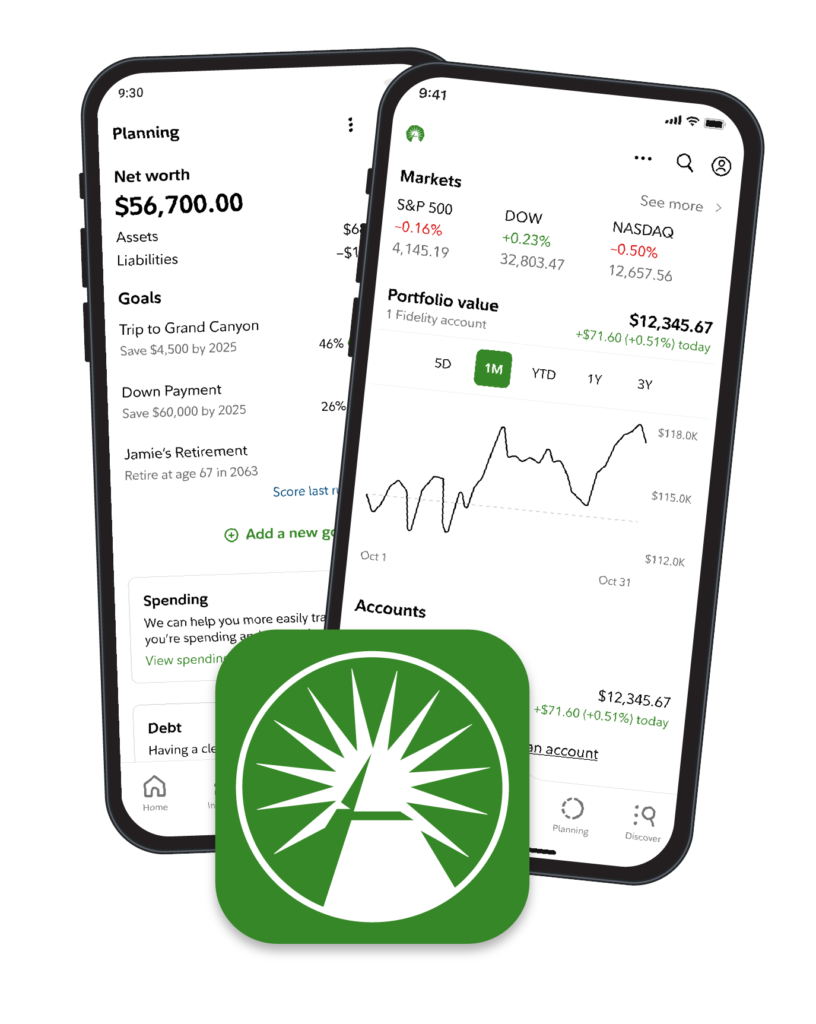
Before diving into the mechanical steps of opening an account, it helps to understand what makes this particular brokerage worth your time and trust. In the modern financial landscape, investors look for platforms that minimize unnecessary costs while maximizing access to robust educational resources and execution tools. Fidelity has consistently ranked at the top of industry reviews due to its client-first philosophy and transparent fee structures.
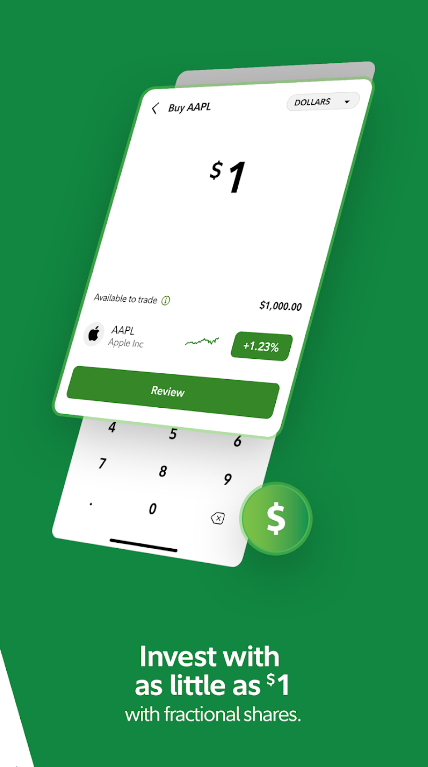
One of the most attractive features for everyday investors is the complete absence of account maintenance fees and investment minimums for standard brokerage accounts. This means you do not need a small fortune to get your foot in the door; you can open an account with zero dollars and invest small amounts incrementally as your personal budget allows. Furthermore, the platform offers access to fractional shares, allowing you to purchase slices of high-priced companies or leading ETFs even if a single full share costs hundreds of dollars. By eliminating high barriers to entry, Fidelity ensures that wealth-building tools are accessible to anyone willing to learn and save.
Preparing Your Documentation and Personal Information
Efficiency is key when dealing with financial institutions. Before you navigate to the official website and click the open button, taking a few minutes to gather your necessary information will make the application process feel effortless. Because brokerages are heavily regulated by federal agencies and financial watchdogs to prevent fraud, money laundering, and identity theft, they are legally required to verify the identity of every single applicant.
To breeze through the digital application without having to pause or hunt for paperwork, make sure you have the following details and items readily available:
- Social Security Number (SSN) or Individual Taxpayer Identification Number (ITIN): This is mandatory for tax reporting purposes and identity verification.
- Legal Name and Residential Address: A permanent street address is required; Post Office boxes are generally not accepted for primary residency verification.
- Contact Information:A valid, frequently checked email address and a working mobile phone number are necessary for multi-factor authentication and ongoing account security notifications.
- Employment Details: You will need to provide your current employment status, the name and address of your employer (if applicable), and your general occupation.
- Bank Account Information: To fund your new brokerage account seamlessly down the line, keep your personal bank’s routing number and your checking or savings account number handy.
Having these details on hand prevents timeouts during the digital form submission and ensures that your identity can be verified instantly by automated compliance systems.
Step 1: Choosing the Right Fidelity Account Type for Your Goals
Your very first official action on the platform is determining which specific type of account matches your financial objectives. Fidelity offers a wide array of account classifications, ranging from standard taxable brokerage setups to specialized retirement and trust accounts. Selecting the correct category from the start is vital because changing or migrating account types later can sometimes involve complex asset transfers or tax implications.
For the vast majority of everyday investors seeking maximum flexibility, a standard taxable brokerage account—often referred to simply as “The Fidelity Account”—is the ideal starting point. This type of account imposes zero withdrawal restrictions or penalties based on your age, meaning you can deposit and withdraw your cash or liquidated assets whenever you choose. While capital gains and dividends generated within a taxable account may be subject to annual taxes, the absolute freedom to access your money at any moment makes it exceptionally popular.
Alternatively, if your primary focus is locking away funds strictly for your golden years while enjoying immediate tax advantages, you might evaluate retirement alternatives such as a Traditional IRA or a Roth IRA. A Traditional IRA allows you to contribute pre-tax or tax-deductible dollars which then grow tax-deferred until you begin taking distributions in retirement.Conversely, a Roth IRA is funded with post-tax income, but your investments grow entirely tax-free, and your eventual withdrawals in retirement are also 100 percent tax-free. Take a moment to evaluate whether your primary objective is short-to-medium-term capital growth with full liquidity or long-term tax-advantaged retirement planning.
Step 2: Navigating the Online Application and Entering Personal Details
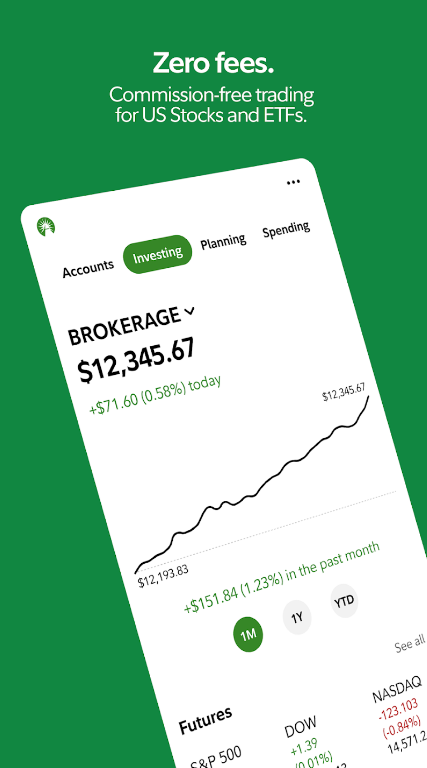
Once you have identified the correct account classification, you are ready to begin the digital application. Head over to the official website and click on the prominent button to open an account. The system will prompt you to confirm your selection and initiate the secure sign-up wizard.
The initial screens will ask you to input your core identifying details, including your full legal name, date of birth, residential address, and your Social Security Number. Accuracy is paramount here; even a minor typographical error in your SSN or birth date can trigger an automated security flag, temporarily pausing your application while compliance teams manual review your profile. Take an extra few seconds to double-check every field before advancing to subsequent screens.
You will also encounter standard regulatory questions regarding your employment background. For instance, the system will ask if you or an immediate family member are associated with a broker-dealer, a financial institution, or a member firm of a stock exchange or FINRA. For the vast majority of retail investors, the correct answer to these specialized compliance questions will be “no”. These inquiries exist purely to satisfy regulatory transparency laws designed to prevent insider trading and conflicts of interest within the broader financial markets.
Step 3: Configuring Account Settings and Enhancements
After inputting your personal and employment data, the onboarding workflow moves into account configuration and ownership structuring. You will need to decide whether the brokerage account will be held individually in your own name or jointly with a spouse or partner.If you opt for a joint account, you will be prompted to provide the parallel identifying details and Social Security number for your co-owner.
This stage of the application also allows you to opt into various optional account features, such as margin trading or options trading capabilities. If you are a beginner stepping into the market for the first time, it is generally recommended to keep your initial setup straightforward by sticking to a cash account configuration. You can always apply for advanced features like margin or options trading later down the road once you have gained sufficient experience and familiarity with how the market operates.
Additionally, you will be invited to designate trusted beneficiaries for your account. Naming a primary and contingent beneficiary ensures that if anything unexpected happens to you, your accumulated wealth and assets will transfer smoothly and efficiently to your chosen loved ones or estate without getting trapped unnecessarily in prolonged probate proceedings.
Step 4: Reviewing Legal Disclosures and Submitting Your Application
Before your application can be finalized and processed by the system, you must review and acknowledge a series of crucial legal disclosures, customer agreements, and electronic delivery consents. While it is tempting to scroll rapidly past these dense legal documents and simply check the confirmation boxes, it is genuinely wise to familiarize yourself with the terms of service, fee schedules, and privacy policies governing your relationship with the brokerage.
These agreements outline your responsibilities as an account holder, detail how your cash sweeps and uninvested money are handled, and explain the protective measures provided by institutions like the Securities Investor Protection Corporation (SIPC). Once you have thoroughly reviewed the disclosures, sign off electronically and submit your application. In many cases, automated identity verification clears your application within seconds, granting you immediate access to your newly minted account dashboard. Occasionally, if the system cannot instantly verify a piece of documentation, you may be asked to upload a digital copy of a government-issued photo ID—such as a driver’s license or passport—to complete the verification loop.
Step 5: Establishing Security Protocols and Two-Factor Authentication
Securing your financial capital online is just as important as choosing the right investments to buy. Modern brokerages handle sensitive personal data and liquid wealth, making them prime targets for malicious actors. As soon as your account is successfully opened and approved, your immediate priority should be establishing robust, impenetrable security protocols.
Fidelity provides industry-standard security enhancements, including multi-factor authentication (MFA) and one-time verification passcodes sent directly to your registered mobile device. Make sure to enable these features immediately during your initial login sequence. Create a strong, unique alphanumeric password that you do not reuse across other unrelated websites or email providers. By locking down your login credentials with rigorous two-factor authentication from day one, you establish an essential barrier of defense against unauthorized access, giving you total peace of mind as your portfolio grows over time.
Step 6: Funding Your Account and Making Your First Deposit

With your account fully opened, verified, and secured, the final administrative milestone is funding your portfolio so you can actually begin executing trades. Without cash inside the account, your dashboard remains an empty shell. Fortunately, linking an external funding source is a streamlined, secure digital process.
To fund your account, navigate to the transfers or deposit section of your dashboard and choose the option to link an external bank account. You can accomplish this quickly through automated verification services that securely connect to your primary checking or savings institution, or by manually inputting your bank’s routing number and your specific account number.
Once your bank is successfully linked, you can initiate an electronic funds transfer (EFT). Keep in mind that while initial deposits via standard electronic bank transfers can take anywhere from one to three business days to fully settle and clear, many brokerages extend provisional buying power for a portion of the transferred funds almost immediately, allowing you to begin executing trades while the underlying cash transfer finalizes behind the scenes. Start with an amount that feels comfortable for your current financial situation; remember that there are no minimum deposit mandates forcing you to fund the account with large sums right away.
What to Do After Your Account Is Open and Funded
Opening and funding your brokerage account marks the true beginning of your financial journey, but your active management strategy starts the moment the cash settles in your portfolio. Once your money is safely deposited, you gain unrestricted access to a vast ecosystem of educational resources, analytical screeners, and market research tools.
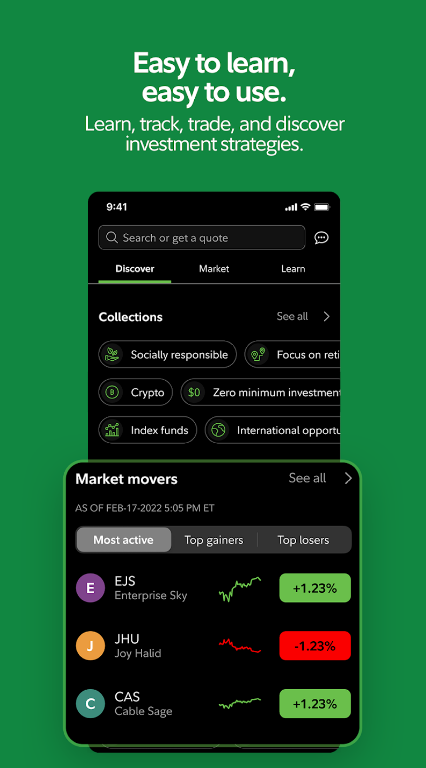
Take advantage of these institutional-grade learning tools to research individual equities, examine historical index performance, or explore diversified exchange-traded funds that match your specific risk tolerance. Whether you prefer a passive, long-term buy-and-hold strategy focused on broad-market index funds or an active approach researching individual sector leaders, your new Fidelity account serves as the central command center for all your future financial endeavors. By following this systematic approach, you have successfully established a secure, professional foundation from which to build lasting wealth and secure your financial future.