How to Open an E*TRADE Account and Start Investing

Entering the world of financial markets can feel like learning an entirely new language. For many beginners, the hardest part is not choosing which stocks or exchange-traded funds (ETFs) to buy, but simply figuring out how to get started. If you have ever looked at online brokerages and felt overwhelmed by complex jargon, charts, and buttons, you are not alone. Breaking through this initial barrier requires a clear, step-by-step path that turns a confusing process into a simple, manageable routine.
Among the various platforms available for self-directed investors, E*TRADE stands out as one of the most established and widely recognized names in the financial industry. Backed by Morgan Stanley, it offers a robust mix of educational resources, powerful trading tools, and a user-friendly digital interface. Whether you want to build a long-term retirement nest egg, save for a major life milestone, or learn the ropes of day-to-day trading, opening an account is the foundational first step.
This comprehensive guide will walk you through everything you need to know about opening an E*TRADE account, navigating the platform requirements, and executing your very first investment safely and confidently.
Understanding What an Online Brokerage Is and Why E*TRADE Stands Out
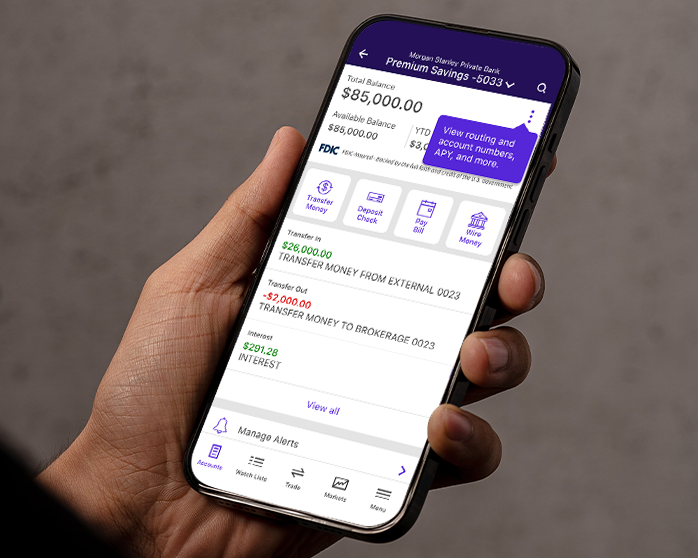
Before diving into paperwork and online forms, it helps to understand what an online brokerage actually does. In simple terms, a brokerage acts as a licensed intermediary between you and the financial markets. Just as you cannot walk directly onto the floor of the New York Stock Exchange to buy a share of a company, individual investors cannot trade directly without a licensed broker.
Online brokerages provide digital platforms where you can deposit funds, research companies, and execute buy and sell orders with just a few clicks. Over the past decade, online trading has undergone a massive revolution. Commission fees for standard stock and ETF trades have dropped to zero across major brokerages, meaning you no longer have to worry about paying a fee every time you purchase a share.
E*TRADE has earned its reputation as a premier destination for both absolute beginners and seasoned market veterans. Several core features make it a strong option for new investors:
- Zero Commission Trades: Standard online trades for U.S.-listed stocks, ETFs, and options do not carry baseline commission fees, allowing your money to work harder for you.
- Educational Hub: The platform offers extensive libraries of videos, articles, interactive tutorials, and webinars designed to teach market mechanics from scratch.
- Versatile Platforms: Beginners can start with the clean, intuitive main website or mobile app, while more advanced users can transition to Power E*TRADE for deeper technical analysis and options strategies.
- No Account Minimums: For standard brokerage accounts, you do not need a massive lump sum of cash just to open your doors; you can start small and grow at your own pace.
Preparing Your Information and Choosing the Right Account Type
Before you click the “Open Account” button on the official website, preparation is key. Having your documents and personal details ready will streamline the digital application and prevent unnecessary delays during identity verification.
When you apply for a brokerage account, federal regulations require financial institutions to verify who you are to prevent fraud, money laundering, and illicit financial activities. Gather the following information before you begin:
- Personal Identification:Your full legal name, current residential address, date of birth, and phone number.
- Taxpayer Identification:Your Social Security Number (SSN) or Individual Taxpayer Identification Number (ITIN).
- Employment Details: The name and address of your current employer, your occupation, and your general employment status.
- Financial Overview:Estimates of your annual income, liquid net worth, and total net worth, which help establish your overall financial profile.
Selecting the Right Account Classification
One of the first choices you will face is determining which type of account matches your financial goals. Choosing the right category ensures that your investments align with your long-term objectives:
- Individual Taxable Brokerage Account: This is the most common choice for general investing. It is owned by a single individual, has no contribution limits, and allows you to withdraw your cash or sell your assets at any time, though any realized capital gains or dividends may be subject to taxes.
- Joint Account: Shared by two or more individuals (such as spouses), allowing all parties to manage investments, trade, and withdraw funds from the same pool.
- Retirement Accounts (Traditional or Roth IRAs):Designed specifically for long-term retirement savings. Roth IRAs allow your investments to grow tax-free and permit tax-free withdrawals in retirement, while Traditional IRAs may offer tax-deductible contributions today with taxes paid upon withdrawal.
Step-by-Step Walkthrough: Completing the Online Application
The entire account opening process takes place online and typically requires only about fifteen to twenty minutes of your time. To ensure a smooth journey, follow this structured roadmap through the digital application screens:
Step 1: Initiating the Application
Navigate to the official E*TRADE website and select the option to open a new account. You will be prompted to choose your desired account type (such as an Individual Brokerage or a Roth IRA). The system will ask whether you are already a customer or new to the platform. If you are new, enter your basic contact details, including your full name and email address, to create your login credentials.
Step 2: Providing Personal and Employment Data
Next, the platform will guide you through secure forms requesting your residential address, phone number, date of birth, and Social Security Number. You will also input your employment details. Brokerages are legally required to ask whether you or an immediate family member work for a registered broker-dealer, a stock exchange, or serve as a corporate insider or 10% shareholder of a publicly traded company. For the vast majority of everyday investors, these boxes remain safely unchecked.
Step 3: Completing Your Financial and Trading Profile
Do not let financial profile questions intimidate you. Questions regarding your annual income, net worth, and investment experience are standard regulatory procedures. They help the broker evaluate your risk tolerance and ensure you understand the nature of financial markets. Be honest and accurate when selecting your primary investment objectives—whether that is long-term capital growth, capital preservation, or regular income generation.
Step 4: Reviewing Agreements and Creating Your ID
Carefully review the terms, conditions, customer agreements, and electronic delivery consents. Once you agree to the terms, you will finalize your username and secure password. The system will then process your application. While many accounts are verified instantly through automated electronic databases, some applications may require a brief review period or request digital copies of identity documents (such as a driver’s license or passport) to finalize approval.
Funding Your Account and Selecting a Base Currency
Once your account has been successfully approved and verified, it sits as an empty shell waiting for capital. Before you can purchase a single share of stock or an ETF, you must fund your account.
The base currency for U.S.-based accounts is the U.S. Dollar (USD). Funding your account correctly ensures you avoid unnecessary transfer delays or currency conversion fees. E*TRADE provides several reliable ways to transfer money into your new brokerage account:
- Electronic Bank Transfer (ACH): This is the most popular and convenient method. By linking an external checking or savings account from your local bank, you can initiate electronic transfers seamlessly. Funds transferred via ACH typically take between one to three business days to fully settle and become available for trading.
- Wire Transfer: If you want to trade immediately on the same business day, a bank wire transfer is the fastest route. Keep in mind that your external bank may charge a small outgoing wire fee.
- Account Transfer (ACATS): If you already hold assets or cash at another brokerage firm and want to move them over, you can initiate an automated account transfer. This process usually takes several business days to complete without requiring you to liquidate your existing positions first.
- Check Deposit:You can also mail a physical check or use digital check-deposit features through mobile applications, though these methods require several days for the funds to clear.
Navigating the Dashboard and Placing Your First Trade
With funds safely deposited into your account, you are ready to cross the threshold from saver to investor. Logging into the E*TRADE dashboard for the first time can feel like stepping into the cockpit of an airplane, but you only need to focus on a few key sections to get started.
Take time to explore the navigation menu. You will find tabs for Accounts (where you view your balance and holdings), Markets (where you check stock indices, news, and economic updates), and Research (where you screen for potential investment ideas).
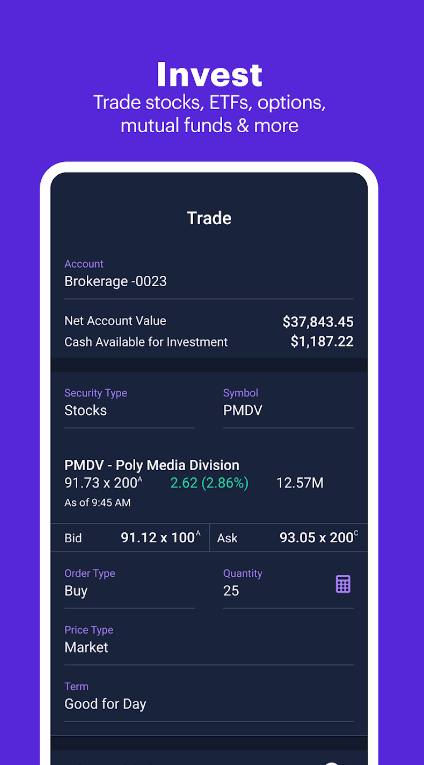
When you feel comfortable, placing your first trade involves a few fundamental concepts:
- Ticker Symbols: Every publicly traded company has a unique abbreviation called a ticker symbol (for example, Apple is AAPL, and Microsoft is MSFT). Entering this symbol into the quote search bar pulls up real-time pricing data.
- Order Types:
- Market Order: An instruction to buy or sell a security immediately at the current available market price. It guarantees execution, though not an exact price if the market is moving fast.
- Limit Order: An instruction to buy or sell a security only at a specific price you choose. For example, if a stock is trading at one hundred dollars, but you only want to buy it if it drops to ninety-five dollars, a limit order ensures you never pay more than your target price.
- Order Quantity: Decide whether you want to buy a specific number of shares or utilize fractional shares (if available) to invest a precise dollar amount.
- Order Preview and Execution: Always click the Preview Order button before final submission. This screen displays your total estimated cost, including any relevant fees or disclosures. Review the details carefully, then click Submit to execute your trade.
Building Long-Term Success and Smart Investment Habits
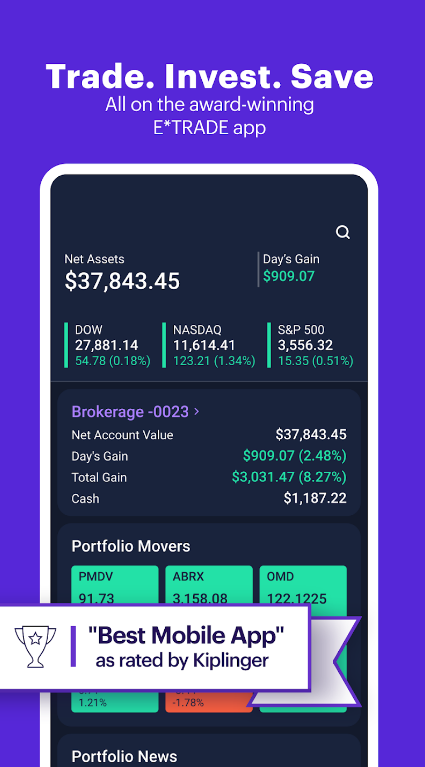

Opening an account and placing your first trade are major milestones, but they are only the beginning of a lifelong financial journey. True wealth building relies on consistency, discipline, and continuous learning rather than quick speculation.
As you develop your portfolio, keep these core principles in mind to protect your capital and maximize your long-term potential:
- Embrace Diversification: Never put all your financial eggs in one basket. Spreading your investments across multiple sectors, industries, and asset types through broad market ETFs or mutual funds helps cushion your portfolio against unexpected market downturns.
- Keep Learning: Financial literacy is a muscle. Utilize the extensive webinars, articles, and educational tools provided within your brokerage account to deepen your understanding of market cycles, interest rates, and asset allocation.
- Maintain a Long-Term Horizon: Short-term market volatility is completely normal. History shows that broad equity markets fluctuate daily, but maintaining a disciplined, long-term perspective helps you weather temporary storms without making emotional decisions.
- Automate Your Strategy: Consider setting up recurring monthly transfers and automated investments. Removing human emotion from the equation through regular, disciplined contributions is one of the most effective habits of successful, stress-free investors.
By taking things one step at a time—from preparing your paperwork and funding your balance to executing your first thoughtful trade—you transform an intimidating financial concept into an empowering reality. Your journey into the world of investing starts today.