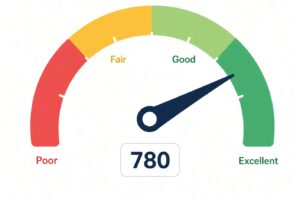
See how the analysis for increasing the limit works

Navigating the world of personal finance can sometimes feel like trying to solve a puzzle with missing pieces. Among the most common questions credit cardholders ask is simply: How do credit card companies decide when—and by how much—to increase my credit limit?
Whether you are trying to lower your credit utilization ratio to improve your credit score, preparing for a major upcoming purchase, or simply wanting more financial flexibility, understanding the mechanics behind credit limit increases is a game-changer.
In this comprehensive guide, we will pull back the curtain on how major financial institutions evaluate your account, debunk common myths, and provide you with actionable strategies to secure a higher credit limit organically.
What Is a Credit Limit and Why Does It Matter?

Before diving into the approval process, it is helpful to establish a foundational understanding of what a credit limit represents. Your credit limit is the absolute maximum balance you are allowed to carry on a specific credit card at any given time.
This limit is not assigned at random. When you first apply for a card, the issuer reviews your credit history, income, and existing debt obligations to determine an amount they feel comfortable lending you.
However, your initial limit is rarely permanent. As you demonstrate responsible financial behavior over time, issuers may increase your limit automatically, or you can actively request an increase. Maintaining a higher credit limit offers several distinct advantages:
- Lower Credit Utilization Ratio: Your credit utilization (the amount of credit you are using compared to your total available limit) accounts for 30% of your FICO score. A higher limit makes it much easier to keep this ratio below the recommended 30% threshold (and ideally below 10%).
- Emergency Preparedness: Having access to a larger safety net provides peace of mind during unexpected financial emergencies.
- Improved Cash Flow Management: For everyday expenses and planned investments, a higher limit offers greater flexibility without requiring you to carry multiple cards.
The Core Factors Credit Card Issuers Evaluate for Limit Increases
When an algorithm or a human underwriter reviews your account for a credit limit increase, they are looking for one primary thing: risk assessment. Banks want to know that you are reliable, financially stable, and fully capable of managing additional debt without defaulting.
Here are the primary pillars issuers examine during their review:
1. Payment History and Consistency
Your track record of making on-time payments is the single most critical factor in credit scoring and lending decisions. If you have a history of missed payments, late fees, or delinquent accounts, your chances of receiving a credit limit increase are virtually zero. Issuers want to see at least 6 to 12 months of consecutive, on-time payments before considering you for more credit.
2. Income and Employment Stability
Lenders are legally required to consider your ability to pay. When you request a credit limit increase online or over the phone, you will almost always be asked to update your annual household income. If your income has increased since you first opened the card, your chances of approval rise significantly. Conversely, if your income has decreased, the issuer may deny the request or even lower your existing limit to mitigate risk.
3. Account Age and Maturity
Issuers prefer to see seasoning on an account. Most major credit card companies have internal policies that restrict customers from requesting a credit limit increase within the first 60 to 90 days of opening the account. Allowing your account to age for at least six months gives the bank a robust behavioral dataset to analyze.
4. How You Use Your Current Limit
Counterintuitively, banks are hesitant to give higher limits to people who never use their cards, but they are equally cautious about people who max out their cards every single month and barely make minimum payments. The sweet spot is active, high utilization paid in full every month. If you consistently use 40% to 70% of your limit and pay the statement balance in full before the due date, you are signaling to the bank that you need the space and know how to handle it.
Automatic Increases vs. Manual Requests: What Is the Difference?
Credit limit increases generally happen in one of two ways: automatically through the issuer’s internal monitoring systems, or manually when you submit a direct request.
Automatic Credit Limit Increases (CLI)
Many major financial institutions review existing accounts periodically (often every 6 to 12 months) using automated algorithms. If your account qualifies, the bank will boost your limit without you lifting a finger, usually notifying you via email or on your next monthly statement.
- The Pro: These are almost always executed as a soft credit pull, meaning they have zero negative impact on your credit score.
- The Con: You have no control over the timing or the exact amount of the increase.
Manual Credit Limit Increase Requests
If you do not want to wait for the bank to notice your stellar financial habits, you can take matters into your own hands. You can log into your mobile banking app, navigate to account services, and submit a request in minutes, or call customer service directly.
- The Pro: You can choose the exact amount you want and time the request strategically after a pay raise or a milestone achievement.
- The Potential Con: Depending on the issuer, some manual requests trigger a hard inquiry on your credit report, which can temporarily dip your credit score by a few points. Always ask the representative whether the request will result in a hard or soft pull before proceeding.
Step-by-Step Guide: How to Request a Credit Limit Increase Successfully
If you decide to ask for a higher limit manually, following a structured approach can dramatically improve your odds of approval.
Step 1: Check Your Credit Score and Report First
Before reaching out to your issuer, pull your free credit reports and check your current score. Knowing where you stand prevents unpleasant surprises. If your score has dropped recently due to a high balance on another card or an error on your report, fix those issues before applying for more credit.
Step 2: Update Your Income Information
Ensure that the bank has your most up-to-date financial profile. If you received a salary bump, a promotion, or started a lucrative side hustle over the past year, update your annual income in your online account settings before hitting the request button.
Step 3: Choose the Right Timing
Timing is everything in personal finance. The ideal time to request an increase is:
- At least 6 months after opening the account or your last limit increase.
- Immediately following a verified increase in your income.
- After maintaining a spotless payment streak for an extended period.
Step 4: Call Customer Service and Prepare Your Script
While online forms are convenient, calling customer service and speaking directly with a credit analyst or retention representative can sometimes yield better results, especially if your automated request is initially denied. Be polite, concise, and prepared to explain why you are asking.
Pro Tip: Focus your reasoning on responsible use. Phrases like, “I love this card, it is my primary daily driver, and I want to keep my utilization ratio low while booking upcoming travel expenses,” resonate much better with lenders than sounding like you need emergency cash flow.
Common Reasons Credit Limit Increase Requests Get Denied

Even with the best intentions, applications for higher limits are sometimes rejected. Understanding why denials happen helps you course-correct and try again later.
- Too Many Recent Inquiries: If you have applied for multiple new credit cards, auto loans, or mortgages in the last few months, banks may view you as financially overextended and desperate for liquidity.
- Recent Delinquencies: A single late payment reported across any of your accounts in the recent past can instantly disqualify you from a limit increase.
- Low Internal Score: Every bank maintains its own proprietary scoring system based on how you interact specifically with their products. If your internal score with that bank is low, outside credit scores matter very little.
- Dormant Accounts: If you have not used the card actively in months, the bank has no incentive to invest more capital into your credit line.
Advanced Strategies to Maximize Your Approval Odds
If you want to move beyond the basics and position yourself as an ideal candidate for maximum credit lines, incorporate these advanced financial habits into your routine:
1. The “AZEO” Method (All Zero Except One)
While managing your overall utilization is vital, optimizing how individual cards report balances can influence your internal credit profile. Paying down balances aggressively before the statement closing date ensures that your reported utilization remains pristine.
2. Diversify Your Credit Mix Over Time
Lenders like to see that you can manage more than just revolving credit (credit cards). Having a healthy mix of installment loans (like a car loan or student loan) alongside your revolving credit cards demonstrates a well-rounded financial maturity.
3. Leverage Competitor Offers
If you have excellent credit and another major bank has recently extended a very generous credit line to you, you can sometimes leverage that relationship. While rare, high-tier customers can occasionally ask customer service to match limits or review account standing based on competitor benchmarks.
Patience and Consistency Pay Off
Securing a higher credit limit is not about gaming a secret system; it is a direct reflection of consistent, responsible financial management. By keeping your payments on time, maintaining a healthy income-to-debt ratio, and strategically timing your requests, you can steadily build a robust financial foundation.
Remember that credit is a powerful tool. Approach your credit limits with mindfulness and discipline, and your financial profile will reap the rewards for years to come.