5 Ways to Reduce the Total Cost of a Personal Loan

When unexpected expenses pop up or large financial goals come into view, a personal loan can feel like a helpful lifeline. Whether you are consolidating high-interest credit card debt, funding a home renovation, or covering medical bills, borrowing money provides immediate relief. However, the true price of that convenience often hides in the fine print. Between origination fees, compounding interest, and variable terms, the final amount you repay can significantly exceed the initial sum you borrowed.
Fortunately, taking out a personal loan does not mean resigning yourself to paying high costs. With strategic planning, careful comparison, and proactive management, you can drastically shrink the total expense of your borrowing. Below are five advanced yet accessible ways to lower your personal loan costs, save money, and protect your long-term financial health.
1. Boost Your Credit Score Before Applying
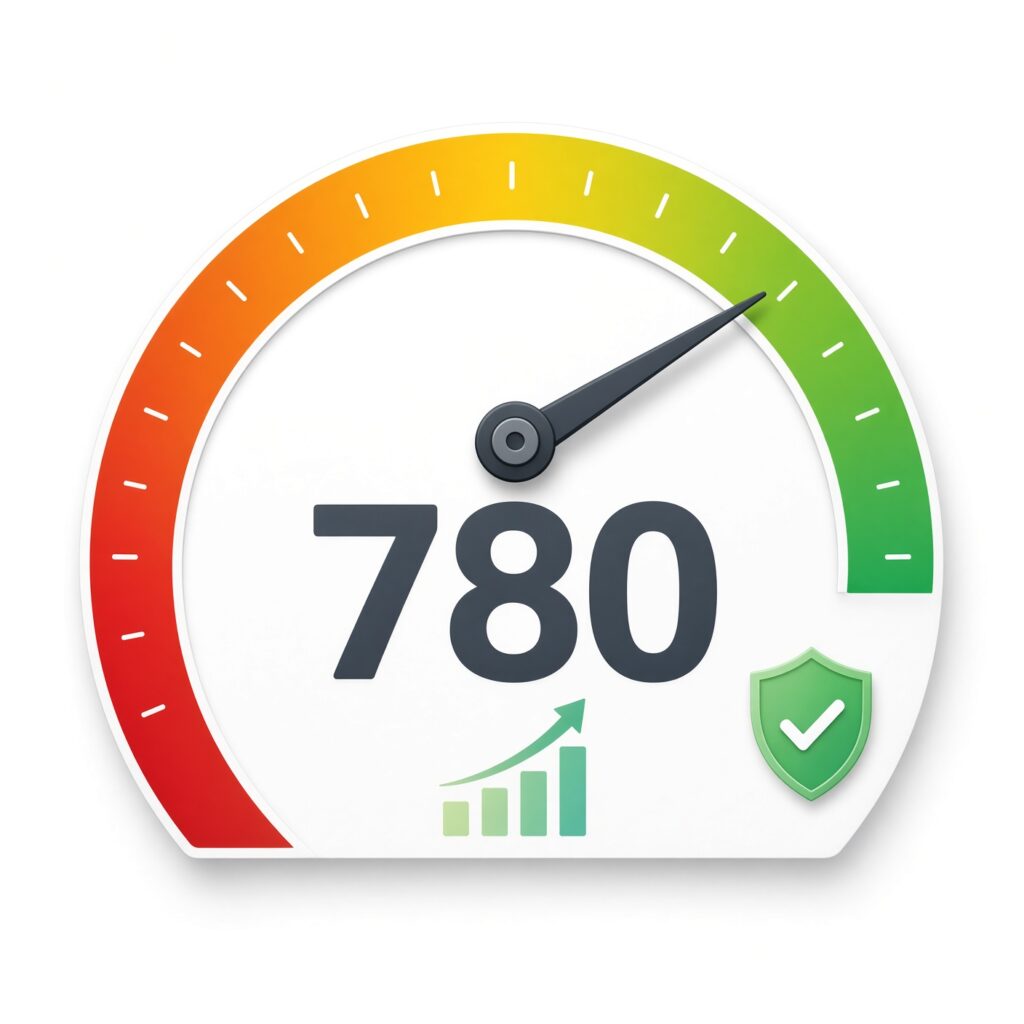
Your credit score acts as the financial passport lenders use to evaluate your reliability. In the eyes of financial institutions, a higher score signals lower risk, which directly translates into better loan terms. Conversely, a lower score paints you as a riskier borrower, prompting lenders to slap you with higher interest rates and steep fees.
Even a small difference in your interest rate can save you thousands of dollars over the lifetime of a loan. For example, borrowing twenty thousand dollars over a five-year term at a six percent interest rate results in total interest payments of roughly three thousand one hundred dollars. If your credit score drops and your rate climbs to twelve percent, your total interest payments skyrocket to over six thousand seven hundred dollars for the exact same loan amount.
How to Improve Your Credit Profile Quickly:
- Check Your Credit Report: Pull your official reports from the major credit bureaus to look for errors, outdated collections, or fraudulent activity. Disputing and removing mistakes can lift your score in weeks.
- Pay Down Existing Revolving Debt: Lenders evaluate your credit utilization ratio, which measures how much available revolving credit you are currently using. Aim to keep this ratio below thirty percent, and ideally under ten percent, before submitting a loan application.
- Avoid New Hard Inquiries: Every time you apply for new credit, lenders perform a hard inquiry that can temporarily ding your score. Pause other credit applications for several months before seeking a personal loan.
- Keep Old Accounts Open: The length of your credit history matters. Keeping older accounts active, even with a zero balance, helps anchor a stable average account age.
2. Shop Around and Compare Multiple Lenders
One of the most common mistakes borrowers make is settling for the first loan offer they receive. Many people automatically apply through their primary checking account bank without realizing that different lenders offer wildly divergent rates, fee structures, and borrower requirements.
The online lending marketplace has introduced immense competition. Traditional banks, credit unions, and modern online fintech lenders all vie for your business. Because each institution uses proprietary underwriting algorithms, two lenders might look at the exact same financial profile and offer completely different interest rates and origination fees.
Strategies for Effective Rate Shopping:
- Get Prequalified: Most online lenders allow you to check your estimated rate and terms through a soft credit check, which has zero impact on your credit score. Collect prequalification offers from at least three to five different institutions.
- Explore Credit Unions: Member-owned credit unions are non-profit institutions that frequently beat commercial banks on interest rates and customer service. Joining a local or online credit union is often straightforward and pays off in lower borrowing costs.
- Look Beyond the Interest Rate: Always calculate the Annual Percentage Rate, commonly known as the APR. The APR incorporates both your interest rate and any upfront mandatory fees, giving you a truer picture of the loan’s total cost than the interest rate alone.
3. Opt for a Shorter Repayment Term
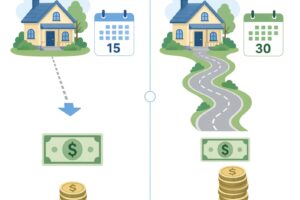
When browsing loan offers, you will typically be given a choice of repayment terms, ranging from two years to seven years or more. Choosing a longer term, such as sixty or seventy-two months, lowers your monthly payment. While a smaller monthly commitment might look attractive on a tight budget, it is one of the most efficient traps for inflating your total borrowing costs.
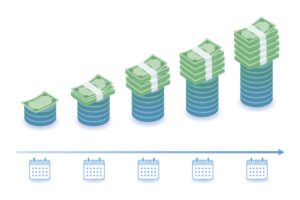
Spreading your repayments out over a longer timeframe gives interest more time to compound. Even if a long-term loan features a slightly higher interest rate, the sheer duration ensures you pay significantly more money to the lender by the time the balance hits zero.
Balancing Monthly Budgeting and Total Cost:
- Run the Math on Total Repayment: Always look past the monthly bill. Multiply your proposed monthly payment by the total number of months in the term to see the exact grand total you will pay back.
- Choose the Shortest Affordable Term: Pick the most aggressive repayment schedule your monthly cash flow can comfortably support. If a three-year term stretches your budget too thin, a four-year term might offer a safe middle ground without driving total costs through the roof.
- Use Windfalls to Pay Ahead: If you select a slightly longer term for safety, commit to making larger payments whenever you receive bonuses, tax refunds, or side-income windfalls, provided the lender does not penalize early payoffs.
4. Eliminate Unnecessary Fees and Ancillary Charges
Interest is not the only expense attached to a personal loan. Lenders frequently bundle administrative fees into your agreement, and these hidden costs can quietly eat away at your savings. Understanding these charges empowers you to negotiate or bypass them entirely.
The most common hurdle is the origination fee, a one-time charge deducted directly from your loan proceeds before the funds hit your bank account. Origination fees typically range from one percent to ten percent of the total borrowed amount. If you borrow fifteen thousand dollars with a five percent origination fee, seven hundred fifty dollars vanishes instantly, meaning you receive fourteen thousand two hundred fifty dollars while still owing the full fifteen thousand dollars plus interest.
Protecting Your Wallet from Extra Fees:
- Hunt for Zero-Fee Lenders: Several reputable online lenders have eliminated origination fees entirely. Prioritize these institutions when evaluating your prequalification offers.
- Watch Out for Prepayment Penalties: Some lenders dislike when you pay off your loan early because it cuts into their projected interest profits. They impose prepayment penalties to discourage early payoffs. Ensure your final agreement explicitly states that you can pay off the balance ahead of schedule without incurring a fee.
- Mind Late Payment Charges: Automate your monthly loan payments to avoid accidental late fees and protect your credit score from damaging marks.
- Decline Unnecessary Protection Plans: Lenders sometimes upsell optional debt protection or credit insurance plans. These add-on products rarely offer strong value and substantially inflate your monthly costs.
5. Leverage Strategic Refinancing or Bi-Weekly Payments
Your relationship with a personal loan does not freeze the day the contract is signed. Even after the funds are disbursed and you have begun making monthly installments, active financial management can help you lower your overall expenses.
Circumstances change. Your credit score might improve, general market interest rates might drop, or your income might increase. Recognizing these shifts allows you to adjust your repayment strategy mid-stream.
Advanced Tactics for Reducing Active Loan Costs:
- Refinance for a Lower Rate: If your credit score has climbed significantly since you took out the loan, or if market rates have dropped, consider refinancing with a new lender at a lower interest rate. Ensure the new lender does not charge origination fees that outweigh your savings.
- Switch to Bi-Weekly Payments: Instead of making one full payment every month, ask your lender if you can split the amount in half and pay every two weeks. Because there are fifty-two weeks in a year, paying bi-weekly results in twenty-six half-payments, which equals thirteen full payments annually instead of twelve. That extra yearly payment chunks down your principal balance faster, reducing the total interest accrued over time.
- Target the Principal Directly: Whenever you make an extra payment, explicitly instruct the lender to apply those funds directly toward the principal balance rather than prepaying future monthly interest installments.

Securing a personal loan requires more than just filling out an online application and waiting for approval. By treating the borrowing process as a strategic financial project, you take control of the math behind your debt. Improving your credit score before applying, shopping across multiple competitive lenders, choosing the shortest sustainable repayment term, bypassing predatory fees, and leveraging proactive repayment tactics will save you hundreds or even thousands of dollars.
A personal loan should serve as a stepping stone toward financial stability, not an unnecessary financial burden. By applying these five principles, you ensure that borrowing money remains an affordable tool that protects your hard-earned cash for the future.