What Is the Difference Between Primary and Secondary Markets?

Navigating the financial world for the first time can feel like learning a completely new language. Words like equity, liquidity, yield, and capitalization are thrown around daily on business news outlets. However, to truly understand how the stock market functions, you only need to master one foundational concept: the difference between primary and secondary markets.
Every stock, bond, or mutual fund you hear about exists within these two distinct market structures. While both are essential components of the global financial system, they serve entirely different purposes, cater to different transactions, and determine where your money actually goes when you make an investment.
In this comprehensive guide, we will break down what primary and secondary markets are, how they work together, and why understanding the key differences between them is vital for every investor.
What Is the Primary Market in Financial Trading?
The primary market is the financial environment where brand-new securities—such as stocks and bonds—are created and sold for the very first time. You can think of the primary market as the original manufacturing floor of financial assets. In this market, businesses, corporations, and government entities sell shares or debt directly to investors to raise fresh capital to grow their operations, fund research, or build infrastructure.
When a transaction occurs in the primary market, the issuing company receives the cash proceeds directly from the purchasing investor. In exchange, the investor receives newly minted financial instruments that did not exist before.
Key Mechanisms of the Primary Market
Companies access the primary market through several standardized methods:
- Initial Public Offerings (IPOs): The most famous primary market event. An IPO occurs when a private company decides to sell its equity shares to the public for the first time on a recognized exchange.
- Follow-on Public Offerings (FPOs): When an already public company creates and issues additional brand-new shares to raise more funds.
- Rights Offerings: A method allowing existing shareholders to purchase additional new shares directly from the company, usually at a discounted price, before they are offered to the wider public.
- Private Placements: Instead of offering shares to the general public, a company sells securities directly to a selective group of institutional investors, such as venture capital firms, banks, or insurance companies.
Because newly issued securities carry no historical price performance, investment banks play a crucial role in the primary market. Known as underwriters, these investment banks assist companies in valuing their business, setting an initial price per share, and ensuring compliance with regulatory bodies like the U.S. Securities and Exchange Commission (SEC).
What Is the Secondary Market and How Does It Work?
The secondary market is what most everyday people mean when they refer to “the stock market”. Once a stock or bond has been created and issued in the primary market, it moves to the secondary market for continuous trading among individual and institutional investors.
In the secondary market, investors buy and sell existing securities with one another. The original issuing company does not participate directly in these daily trades, nor does it receive any revenue when its shares change hands between buyers and sellers.
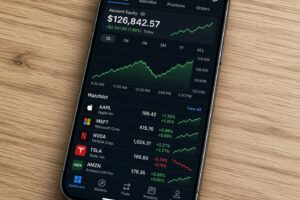
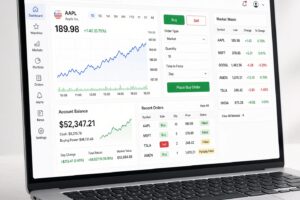
For example, if you open a brokerage account and purchase 100 shares of Apple (AAPL) or Microsoft (MSFT), you are buying those shares from another investor who previously owned them and decided to sell. Apple itself receives no direct payment from your transaction; your money goes directly to the selling investor (minus minor broker fees).
Prominent Structures of the Secondary Market
The secondary market functions primarily through two organized exchange frameworks:
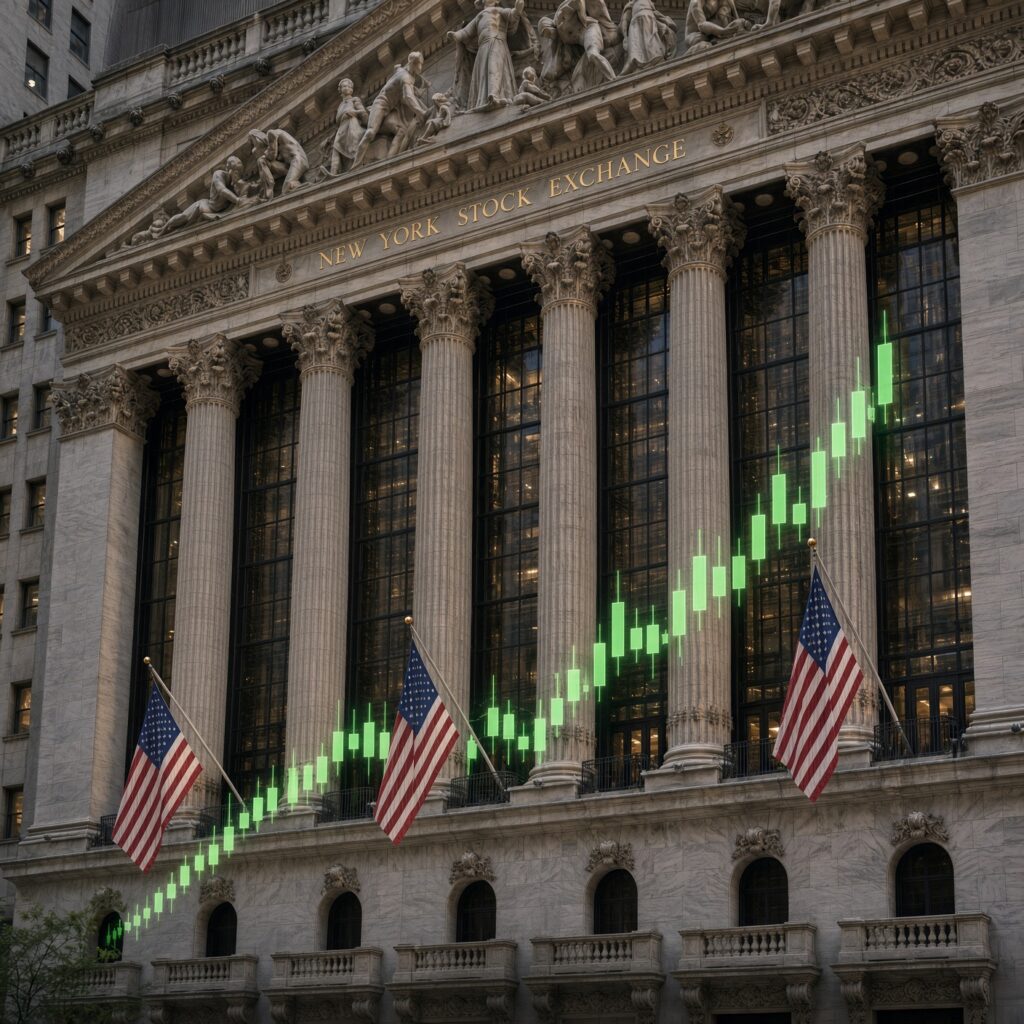
- Auction Markets (Centralized Exchanges): Systems where all buyers and sellers gather in one place to announce the prices at which they are willing to buy (bid) and sell (ask). Famous examples include the New York Stock Exchange (NYSE).
- Dealer Markets (Over-the-Counter / OTC): Networks where market participants trade through decentralized dealer networks rather than a single physical floor. Electronic exchanges like Nasdaq operate as dealer networks where market makers provide liquidity by holding asset inventories.
Primary vs. Secondary Markets: The Core Differences Explained
To keep the distinctions clear, here is how the two markets compare across several vital dimensions:
| Feature | Primary Market | Secondary Market |
|---|---|---|
| Definition | Where new securities are created and issued. | Where existing securities are traded among investors. |
| Parties Involved | Company (Issuer) and Investor. | Investor and Investor. |
| Beneficiary of Sale | The issuing company receives the proceeds directly. | The selling investor receives the proceeds directly. |
| Price Determination | Fixed price set by the company and investment banks. | Fluctuates constantly based on market supply and demand. |
| Intermediaries | Underwriters and investment banks. | Stockbrokers and electronic exchange platforms. |
| Trading Frequency | One-time transaction per security offering. | Continuous daily trading throughout market hours. |
Why Both Markets Are Essential to the Global Economy
Neither market can survive or flourish without the other; they form a symbiotic financial ecosystem that supports global commerce.
The primary market drives economic expansion by allowing promising companies to secure cash needed to build factories, hire workers, and innovate. However, investors would be very reluctant to buy shares in the primary market if they knew they could never sell them again.
That is where the secondary market becomes vital. By establishing continuous liquidity, the secondary market gives investors confidence that they can convert their stock holdings back into liquid cash whenever they choose. Furthermore, constant secondary market trading provides real-time price discovery, giving companies an accurate valuation of their business based on overall market sentiment.
How Retail Investors Participate in Each Market

For average retail investors, the secondary market is where 99% of regular investing activity takes place. Every time you buy shares of a index fund, exchange-traded fund (ETF), or individual public equity through online platforms like Fidelity, Schwab, or Robinhood, you operate within the secondary market.
Participation in the primary market historically was restricted mostly to large financial institutions, mutual funds, and accredited high-net-worth investors due to regulatory rules and minimum purchase requirements. Today, however, modern brokerages increasingly allow retail investors to request allocations for select IPOs. Even so, primary market investing carries unique risks, including lack of historical price data and potential post-IPO price volatility.
The Big Picture for Smart Investors
Understanding the distinction between primary and secondary markets clears away much of the confusion surrounding stock exchanges. In short, the primary market is where capital is raised directly by businesses, while the secondary market provides the venue where those investments gain liquidity, flexibility, and real-time value. Knowing which market you are interacting with helps you evaluate asset risk, track where your capital goes, and make smarter financial decisions for your long-term portfolio.