10 Books About Financial Crises and Market Crashes

Understanding how and why financial markets collapse is one of the most valuable skills an investor, entrepreneur, or curious mind can develop. History shows that market crashes are not random anomalies; they are recurring cycles driven by human psychology, greed, regulatory blind spots, and excessive leverage.
If you want to protect your wealth, understand global economics, and learn from the greatest financial disasters in modern history, diving into the right literature is essential. Below is a curated list of 10 essential books about financial crises and market crashes written with absolute clarity, making complex economic concepts accessible even to absolute beginners.
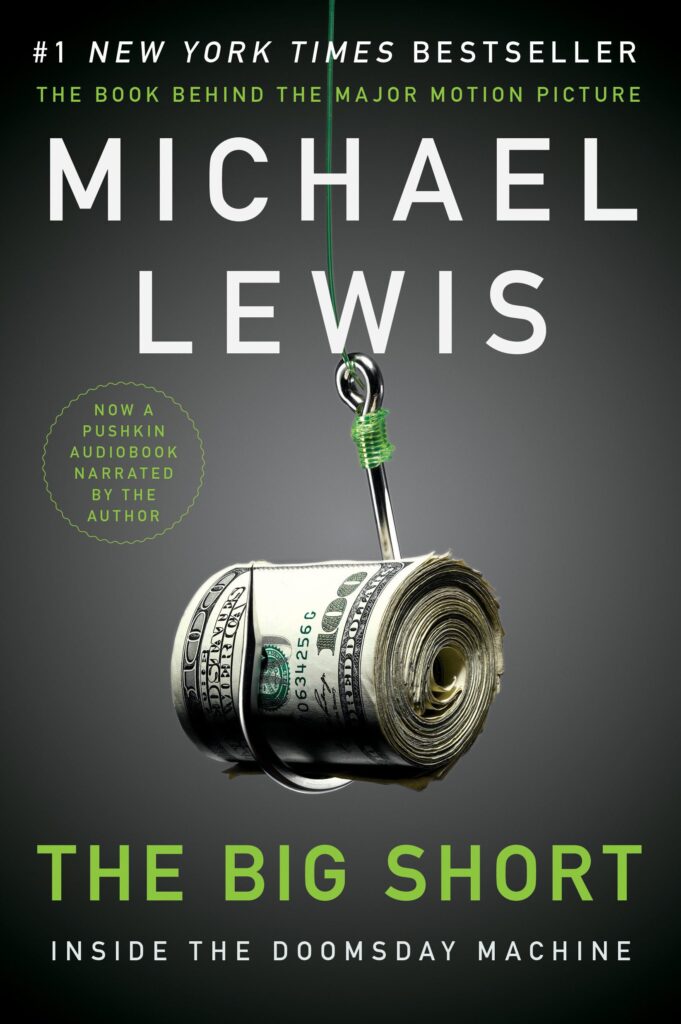
1. The Big Short: Inside the Doomsday Machine by Michael Lewis
Why It Makes the List
Michael Lewis has a rare gift for turning complex Wall Street jargon into an unputdownable narrative thriller. The Big Short focuses on the handful of eccentric, visionary investors who foresaw the catastrophic 2007–2008 subprime mortgage meltdown long before anyone else.
What You Will Learn
Instead of getting bogged down in boring mathematical formulas, Lewis explains how mortgages were bundled into complex securities, rated incorrectly by corrupt agencies, and sold globally. It breaks down the mechanics of credit default swaps in a way that everyday readers can effortlessly grasp, highlighting how systemic hubris can blind an entire financial system.
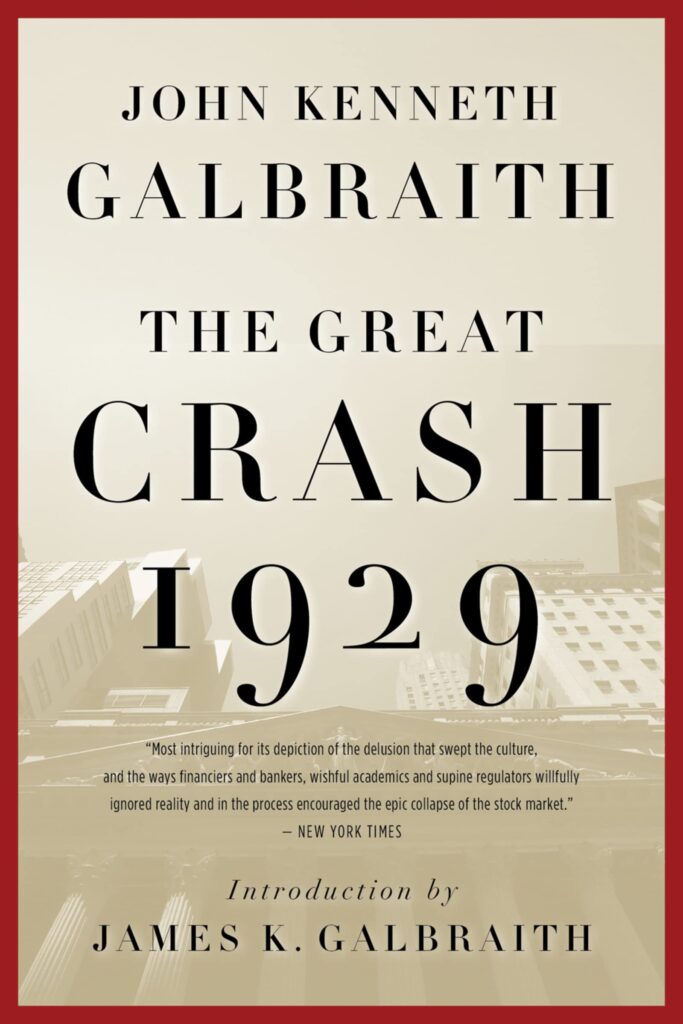
2. The Great Crash 1929 by John Kenneth Galbraith
Why It Makes the List
Originally published in 1955, this timeless classic by renowned economist John Kenneth Galbraith remains the definitive account of the Wall Street stock market crash of 1929 and the subsequent Great Depression. Galbraith writes with wit, lucidity, and skepticism toward speculative mania.
What You Will Learn
The book details how ordinary people, misled by a false sense of perpetual prosperity, borrowed heavily to buy stocks at unsustainable prices. Galbraith explains the psychology of “bezzle”—how financial illusions are generated during booms—and demonstrates how quickly market confidence can evaporate overnight.
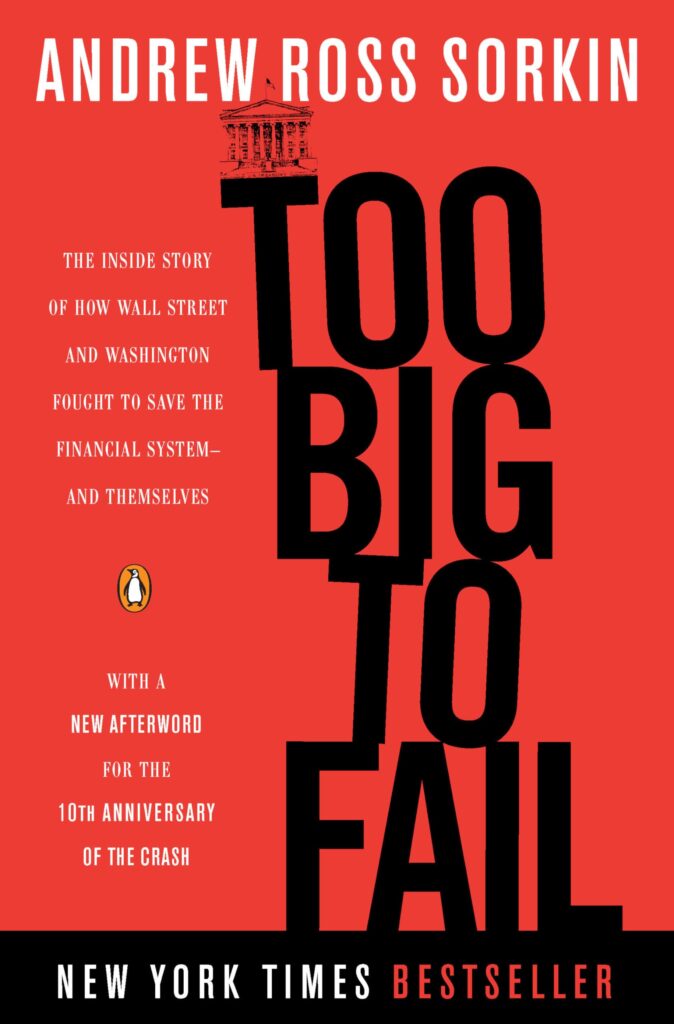
3. Too Big to Fail: The Inside Story of How Wall Street and Washington Fought to Save the Financial System from Crisis by Andrew Ross Sorkin
Why It Makes the List
Written by New York Times financial columnist Andrew Ross Sorkin, Too Big to Fail reads like a fast-paced political drama. It provides a minute-by-minute account of the frantic weekend negotiations in September 2008 when Lehman Brothers collapsed and the global financial architecture nearly disintegrated.
What You Will Learn
You will get a backstage pass into boardrooms and government offices, witnessing how central bankers, treasury officials, and CEOs wrestled with catastrophic risk. It demystifies the interconnected nature of global banking institutions and explains why certain corporations are deemed “too big to fail.”
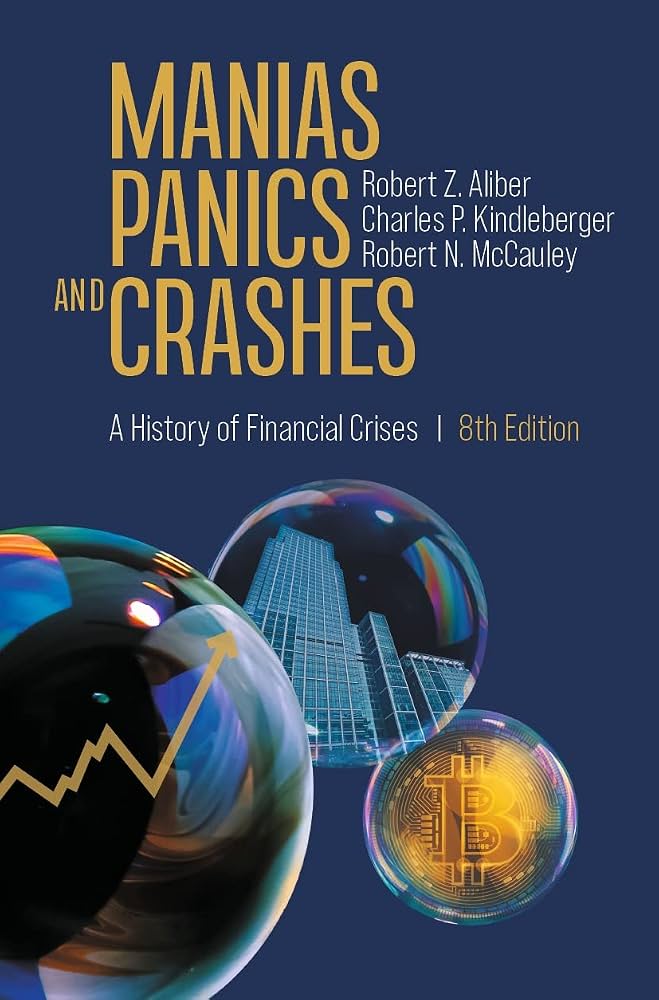
4. Manias, Panics, and Crashes: A History of Financial Crises by Charles P. Kindleberger
Why It Makes the List
First published in 1978, Charles P. Kindleberger’s masterpiece is the gold standard for macro-historical analysis of financial panics spanning hundreds of years. Despite its academic depth, Kindleberger’s framework is remarkably intuitive.
What You Will Learn
Kindleberger introduces a recurring anatomy of financial crises: a displacement or technological innovation sparks a boom, credit expands, euphoria sets in, distress appears, and panic takes over. Reading this book teaches you to spot the universal patterns repeating across centuries, from Tulip Mania to modern crypto bubbles.
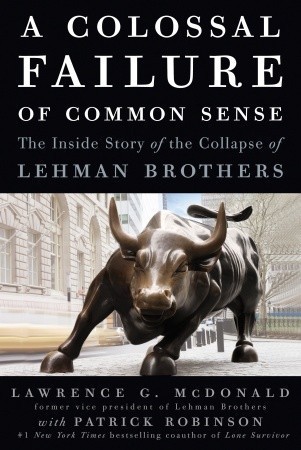
5. A Colossal Failure of Common Sense: The Inside Story of the Collapse of Lehman Brothers by Lawrence G. McDonald and Patrick Robinson
Why It Makes the List
Co-authored by a former Lehman Brothers vice president, this book offers a gripping insider’s perspective on the culture of Wall Street risk-taking that led to the bankruptcy of Lehman Brothers in 2008—the largest bankruptcy filing in US history.
What You Will Learn
The book breaks down how aggressive leverage, toxic assets, and a profound lack of risk management at the highest executive levels drove a 150-year-old institution into the ground. It exposes how short-term profit incentives often override long-term corporate survival.
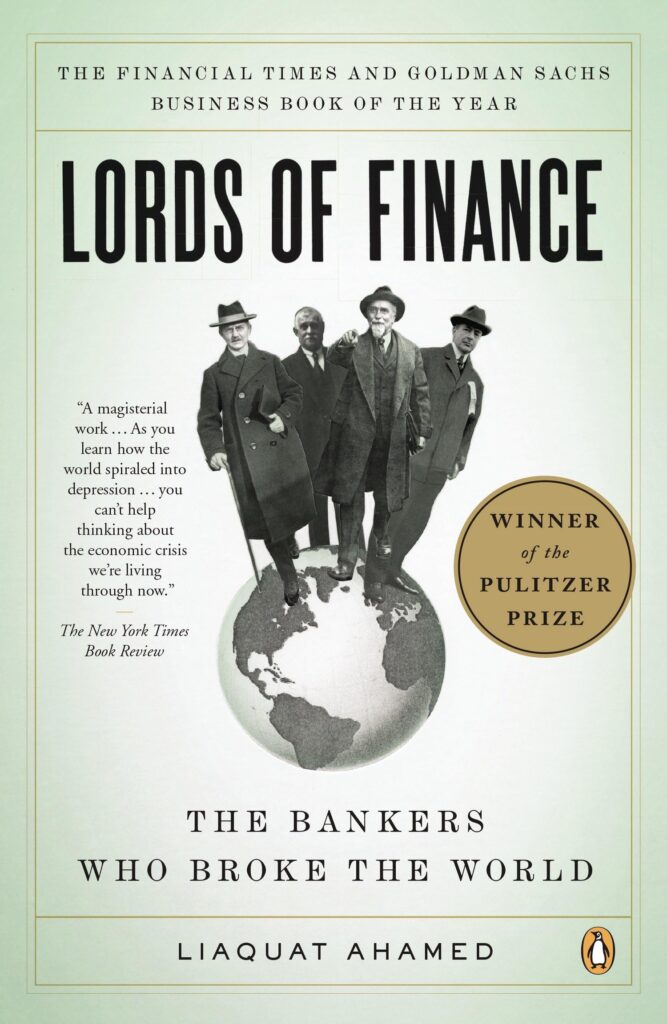
6. Lords of Finance: The Bankers Who Broke the World by Liaquat Ahamed
Why It Makes the List
Winner of the Pulitzer Prize for History, Lords of Finance explores the pivotal roles played by the heads of the central banks of the world’s major economies—including the US Federal Reserve—in the decade leading up to the 1929 crash and the Great Depression.
What You Will Learn
Ahamed illustrates how monetary policy mistakes, stubborn adherence to the gold standard, and a misunderstanding of international debt obligations transformed a routine market correction into a global economic depression. It is an essential read for understanding how central banks shape our modern financial reality.
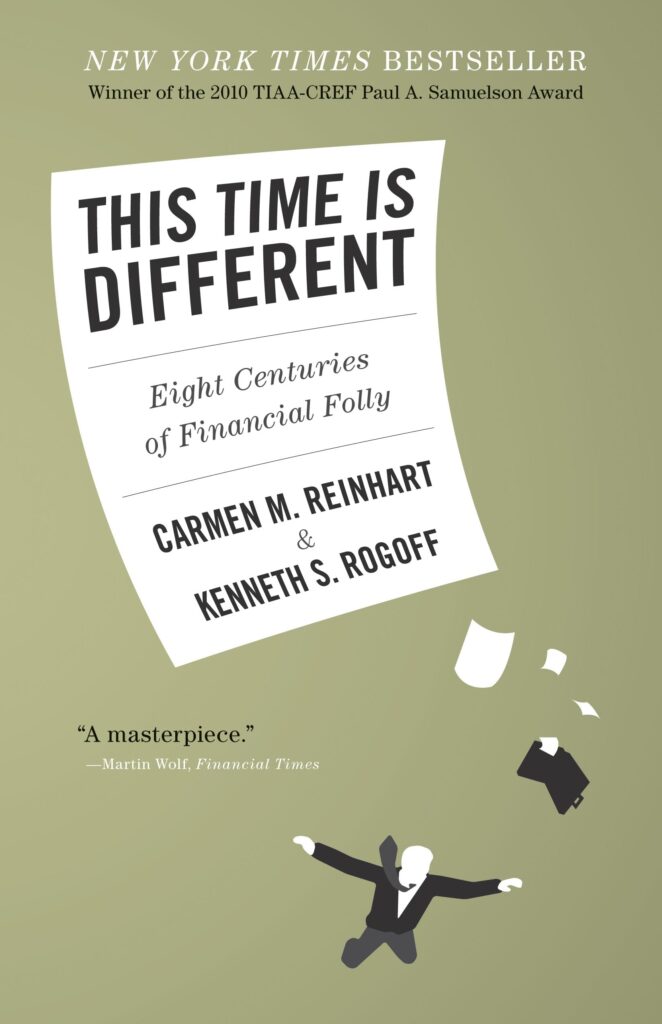
7. This Time Is Different: Eight Centuries of Financial Folly by Carmen M. Reinhart and Kenneth S. Rogoff
Why It Makes the List
Backed by an unprecedented compilation of data covering eight centuries across 66 countries, economists Carmen Reinhart and Kenneth Rogoff dismantle the most dangerous phrase in finance: “This time is different.”
What You Will Learn
The authors prove that financial crises follow predictable mathematical and behavioral templates. Whether dealing with sovereign default, banking panics, or inflationary spirals, governments and investors continually repeat past mistakes because they fail to study history.
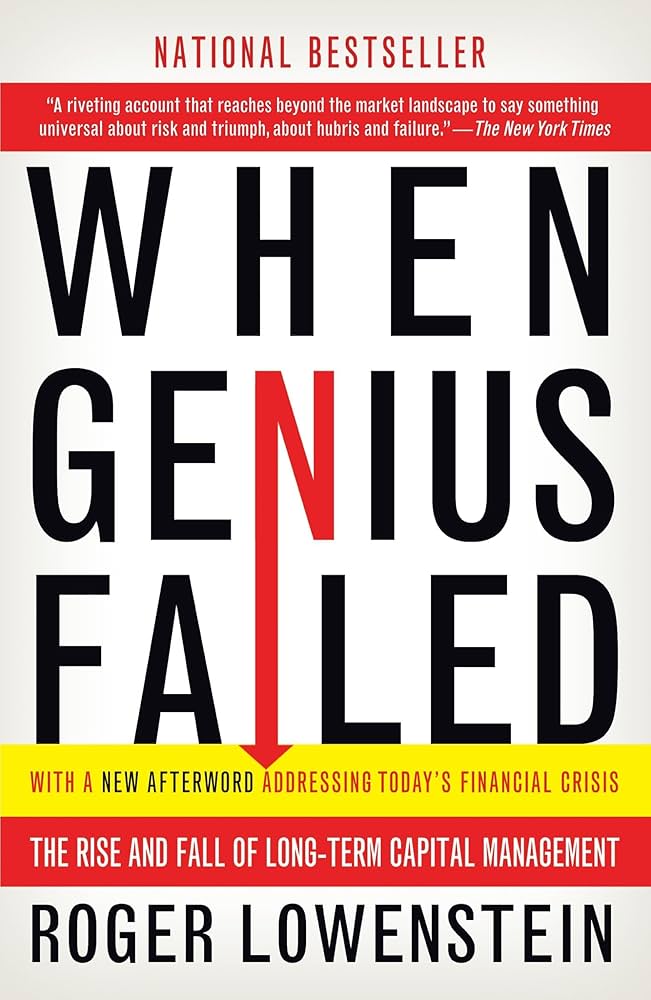
8. When Genius Failed: The Rise and Fall of Long-Term Capital Management by Roger Lowenstein
Why It Makes the List
This riveting narrative explores the spectacular rise and near-collapse of Long-Term Capital Management (LTCM), a mega-hedge fund managed by Nobel laureates and Wall Street superstars that nearly brought down the global financial system in 1998.
What You Will Learn
Lowenstein illustrates the severe dangers of over-reliance on complex mathematical models and excessive financial leverage. Even the smartest minds in finance can miscalculate tail risk—unlikely events that happen in the real world but are dismissed by computer algorithms.
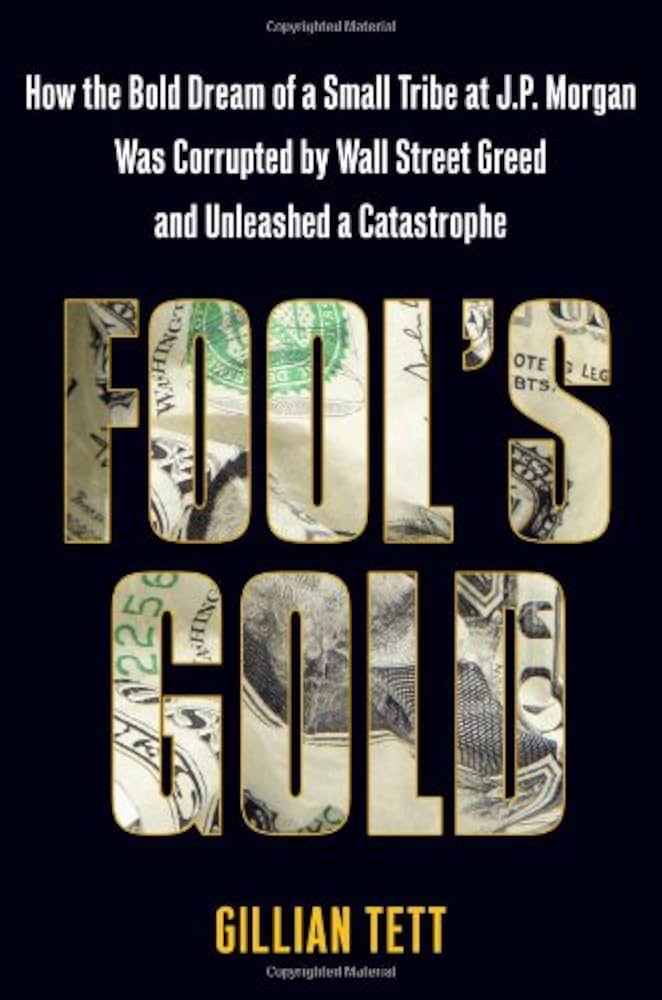
9. Fool’s Gold: How the Bold Dream of a Small Tribe at J.P. Morgan Was Corrupted by Wall Street Greed and Unleashed a Catastrophe by Gillian Tett
Why It Makes the List
Financial Times journalist Gillian Tett investigates the invention of Credit Default Swaps (CDS) and collateralized debt obligations. Originally designed by J.P. Morgan bankers as a clever tool to manage risk, these instruments were later weaponized by competitors.
What You Will Learn
Tett explains how financial innovation, when detached from transparency and ethical oversight, transforms protective financial insurance into systemic financial weapons of mass destruction.
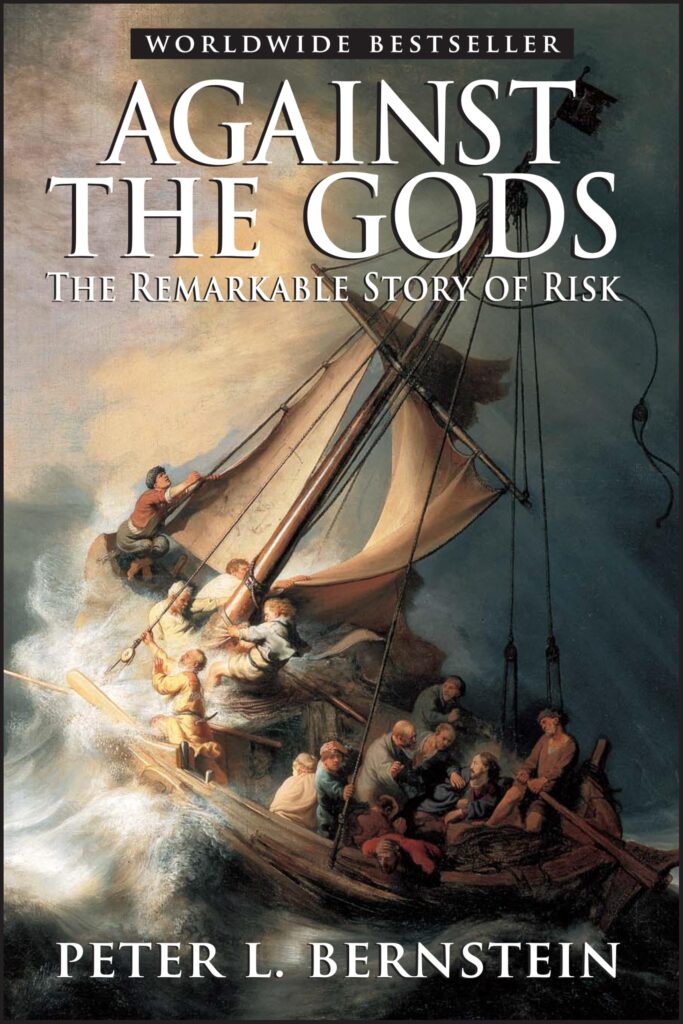
10. Against the Gods: The Remarkable Story of Risk by Peter L. Bernstein
Why It Makes the List
While not strictly about a single crash, Peter L. Bernstein’s masterpiece explores the intellectual history of risk management—how humanity learned to measure, tame, and master risk rather than leave futures entirely to the whims of the gods.
What You Will Learn
Understanding financial crises requires understanding risk. Bernstein traces the development of probability theory, statistics, and portfolio optimization, explaining how risk management dictates market survival during periods of severe economic turbulence.
Why Financial History Matters for Every Investor
Crises will always happen because human beings are susceptible to fear, greed, and collective amnesia. By reading these ten books, you will build a robust mental framework to navigate market volatility, recognize speculative bubbles before they burst, and make informed, rational decisions with your money.