10 Financial Books Everyone Should Read at Least Once

Money touches almost every single aspect of modern life, yet formal financial education is rarely taught in traditional schools. Most people stumble into adulthood with zero framework for budgeting, handling debt, or investing for the future. They learn through trial and error—often at a very high cost.
Fortunately, you do not have to reinvent the wheel. Some of the greatest financial minds in history have distilled decades of wisdom into accessible, page-turning books. Whether you are struggling to break free from debt, looking to build an emergency fund, or trying to understand how the stock market works, the right book can completely change your financial trajectory.
Below are 10 essential financial books everyone should read at least once, chosen for their timeless insights, beginner-friendly language, and ability to turn financial confusion into absolute clarity.
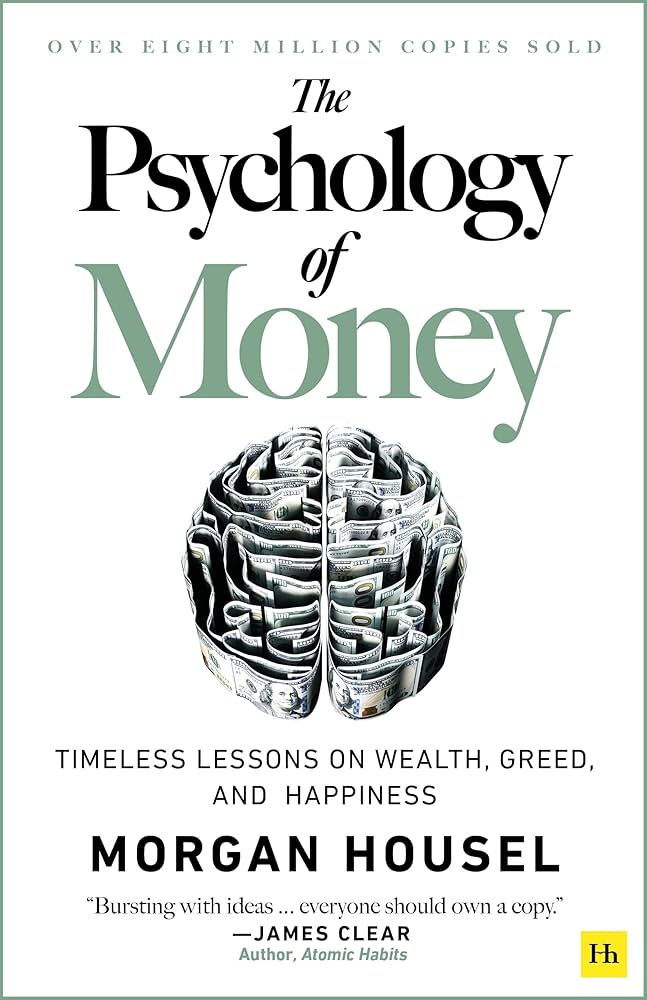
1. The Psychology of Money by Morgan Housel
Most people treat personal finance purely as a math problem. If you earn more and spend less, you win. But real life doesn’t happen on a spreadsheet; it happens at the dinner table, shaped by ego, pride, personal history, and unique worldviews.
In The Psychology of Money, Morgan Housel argues that doing well with money has surprisingly little to do with how smart you are and a lot to do with how you behave. Through 19 short, engaging stories, Housel explores why people make irrational financial choices and how room for error, humility, and patience are more valuable than raw intelligence.
- Why read it: It shifts your mindset from chasing high investment returns to understanding your own relationship with greed, fear, and time.
- Best for: Anyone who wants to master the emotional and behavioral side of wealth building.
2. Rich Dad Poor Dad by Robert T. Kiyosaki
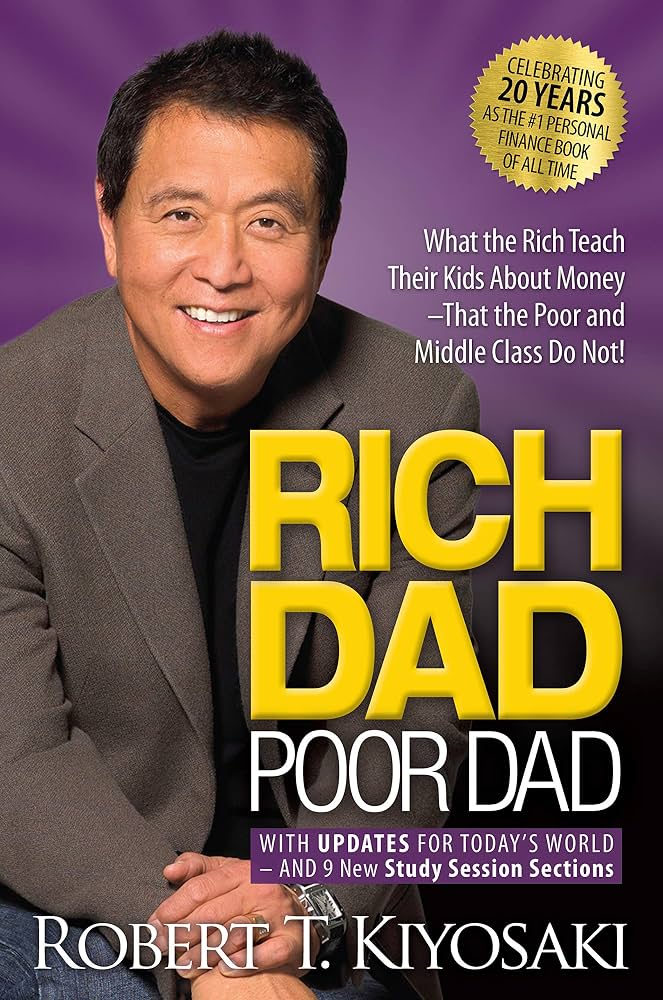
If you are looking to completely shatter your traditional assumptions about employment, income, and wealth, this is the book to start with. Robert Kiyosaki shares the contrasting financial lessons he received from his biological father (his “poor dad,” a highly educated government employee) and the father of his best friend (his “rich dad,” a self-made entrepreneur).
The core thesis of the book centers on understanding the difference between assets (things that put money in your pocket) and liabilities (things that take money out of your pocket). It challenges the standard “go to school, get a secure job, and save money” blueprint by advocating for financial literacy, entrepreneurship, and asset accumulation.
- Why read it: It forces you to stop trading your precious time for linear income and start thinking like an owner and investor.
- Best for: Absolute beginners who feel stuck in the rat race and need a paradigm shift regarding money.
3. The Richest Man in Babylon by George S. Clason
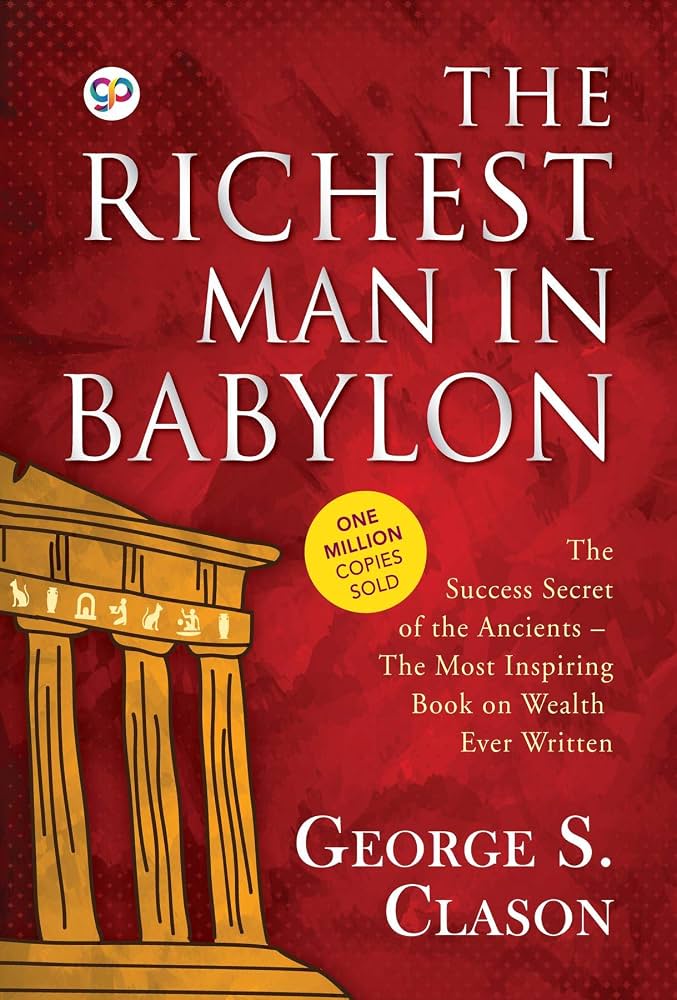
First published in 1926, The Richest Man in Babylon remains one of the most beloved personal finance classics of all time. Instead of dry financial jargon, author George S. Clason uses a collection of parables set in ancient Babylon to teach timeless wealth-building principles.
The book outlines the famous “Seven Cures for a Lean Purse” and the “Five Laws of Gold.” It covers foundational rules that still apply today, such as saving at least ten percent of everything you earn, living below your means, making your gold multiply through sensible investments, and guarding your treasure against loss.
- Why read it: The ancient storytelling format makes complex financial disciplines remarkably easy to understand and remember.
- Best for: Readers of all ages who appreciate simple, narrative-driven wisdom over technical math.
4. The Total Money Makeover by Dave Ramsey
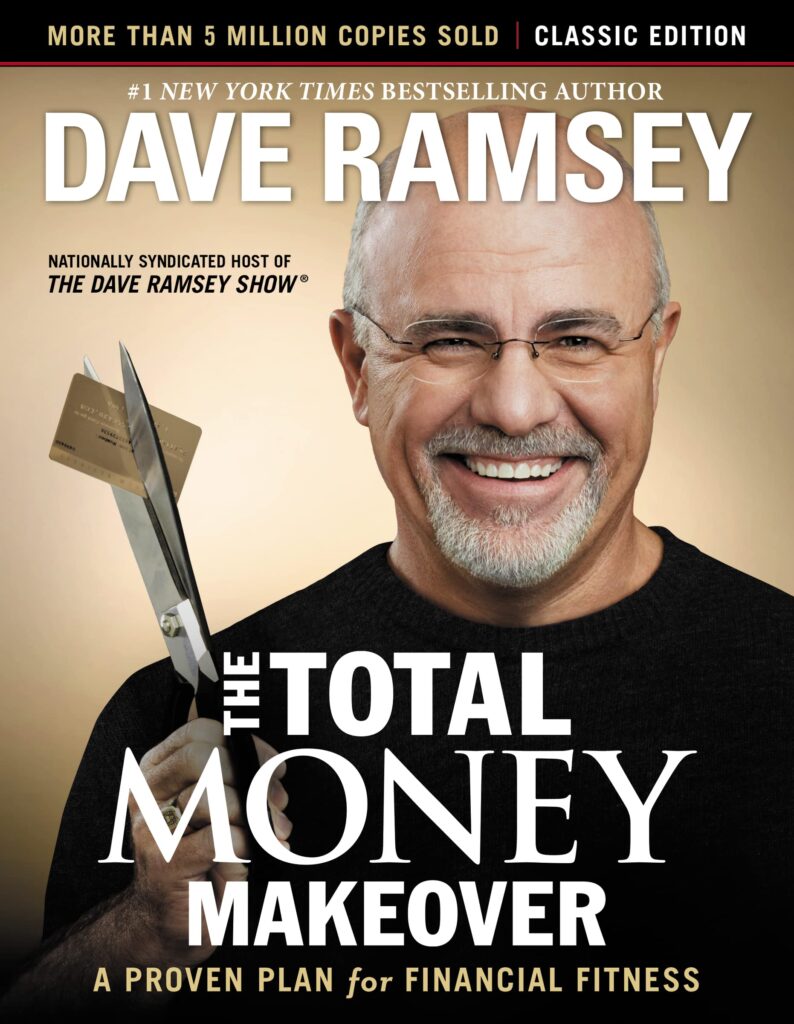
Debt can feel like a heavy anchor dragging down your entire life. If you are overwhelmed by credit cards, student loans, or car payments, Dave Ramsey’s The Total Money Makeover provides a concrete, step-by-step roadmap to get clean and stay clean.
Ramsey outlines his famous “Baby Steps” system, which guides readers through building a starter emergency fund, using the “debt snowball” method to wipe out liabilities, saving a fully funded 3-to-6-month safety net, and eventually investing aggressively for retirement and homeownership. It is tough love, high-energy, and intensely practical.
- Why read it: It offers an uncompromised, highly motivational blueprint for eliminating consumer debt permanently.
- Best for: Anyone drowning in debt who needs strict discipline and a proven step-by-step recovery plan.
5. The Simple Path to Wealth by JL Collins
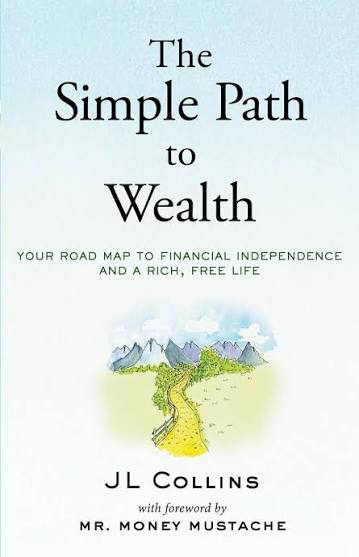
Investing can feel like an intimidating casino controlled by Wall Street insiders who speak a foreign language. JL Collins set out to demystify the entire process through a series of letters originally written for his daughter.
The premise of The Simple Path to Wealth is that building long-term wealth does not require complex stock-picking or expensive financial advisors. By focusing on high savings rates, avoiding debt, and investing consistently in low-cost broad-market index funds (like VTSAX), everyday people can achieve financial independence with minimal stress.
- Why read it: It cuts through the noise of the financial industry and proves that simple investing strategies heavily outperform complex ones.
- Best for: Beginners who want a straightforward, low-stress guide to long-term investing and financial freedom.
6. The Millionaire Next Door by Thomas J. Stanley and William D. Danko
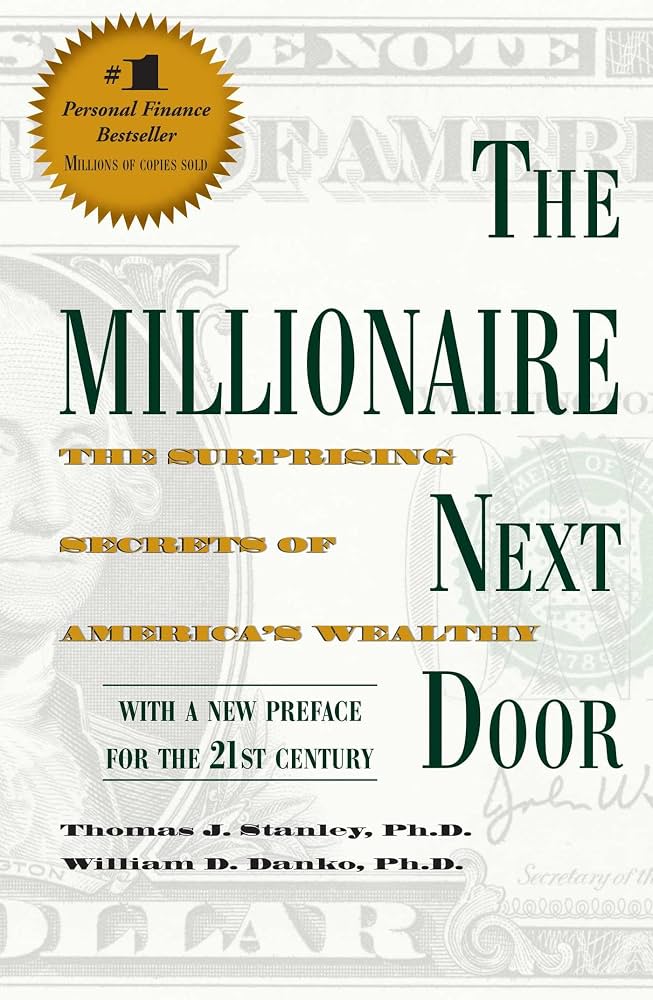
What does a wealthy person actually look like? Most people picture luxury sports cars, designer clothes, and sprawling mansions. However, after years of exhaustive research, authors Thomas Stanley and William Danko discovered that true millionaires rarely look the part.
The Millionaire Next Door reveals that most real wealth is accumulated by people who live well below their means, practice extreme frugality, meticulously budget, and avoid status objects. They are ordinary people working ordinary jobs who prioritize financial independence over looking rich.
- Why read it: It destroys cultural myths about wealth and teaches you how lifestyle inflation quietly robs your future security.
- Best for: Anyone who wants to understand how ordinary earners build extraordinary net worth through smart daily habits.
7. I Will Teach You to Be Rich by Ramit Sethi
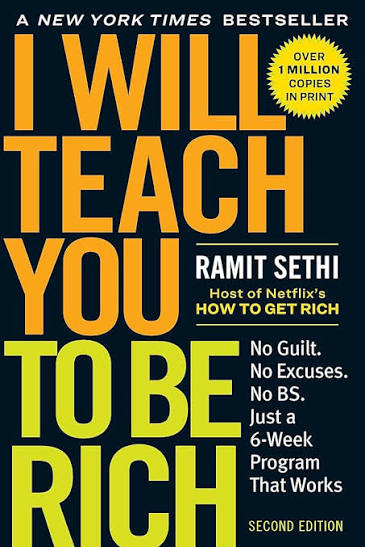
Ramit Sethi cuts through the typical financial advice of “stop buying lattes” with a refreshing, modern, and zero-judgment approach. I Will Teach You to Be Rich is designed as a 6-week program tailored for young adults and busy professionals who want to automate their finances.
Sethi focuses heavily on setting up automated systems for saving, investing, and paying bills so that you don’t have to micromanage every penny. He also champions the concept of “conscious spending”—cutting ruthlessly on things you don’t care about so you can spend extravagantly on the things you love.
- Why read it: It emphasizes automation and guilt-free spending rather than restrictive budgeting that makes you miserable.
- Best for: Millennials and Gen Z readers looking for a practical, tech-friendly, modern money guide.
8. The Intelligent Investor by Benjamin Graham
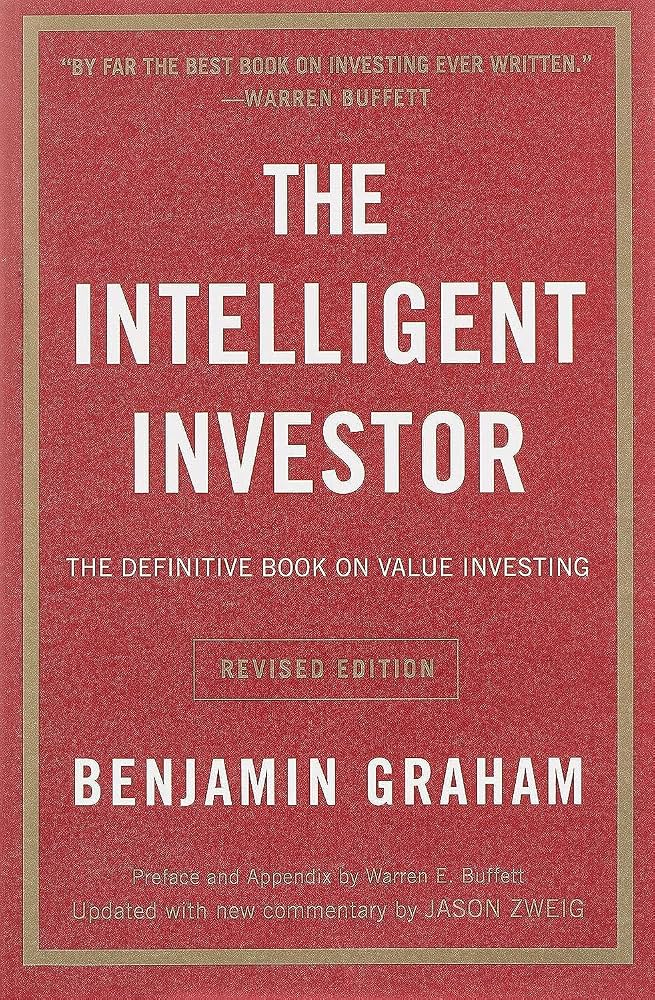
Widely recognized as the definitive book on value investing, Benjamin Graham’s masterpiece has shaped the philosophies of legendary investors like Warren Buffett. While written with the stock market in mind, its core lessons apply to anyone managing capital.
Graham teaches the crucial difference between investing (thorough analysis prioritizing safety of principal and adequate returns) and speculation (gambling on short-term price movements). He also introduces the immortal concept of the “Margin of Safety”—ensuring you always build a cushion against unexpected market downturns.
- Why read it: It provides an intellectual bedrock for protecting your capital and avoiding emotional market panics.
- Best for: Intermediate learners ready to dive deeper into how markets, stocks, and economic value actually operate.
9. Your Money or Your Life by Vicki Robin and Joe Dominguez
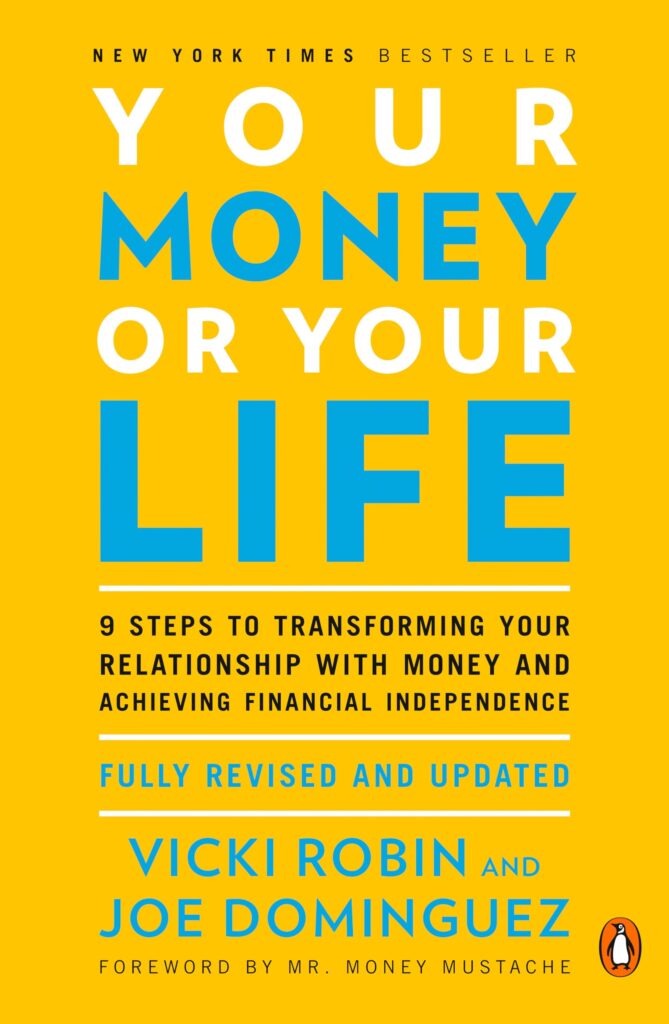
Money is often measured in numbers, but what it actually represents is your life energy—the hours of your existence you traded to earn it. Your Money or Your Life transforms how you view every single dollar you spend.
The book introduces a transformative 9-step program designed to help you achieve financial independence by decoupling your self-worth from consumption. It teaches you to calculate the true “life cost” of your purchases, encouraging you to find fulfillment in freedom, community, and experiences rather than material accumulation.
- Why read it: It redefines wealth not as having a high salary, but as having complete control over your time and life choices.
- Best for: Readers seeking a deep philosophical realignment regarding consumerism, minimalism, and early retirement.
10. Think and Grow Rich by Napoleon Hill
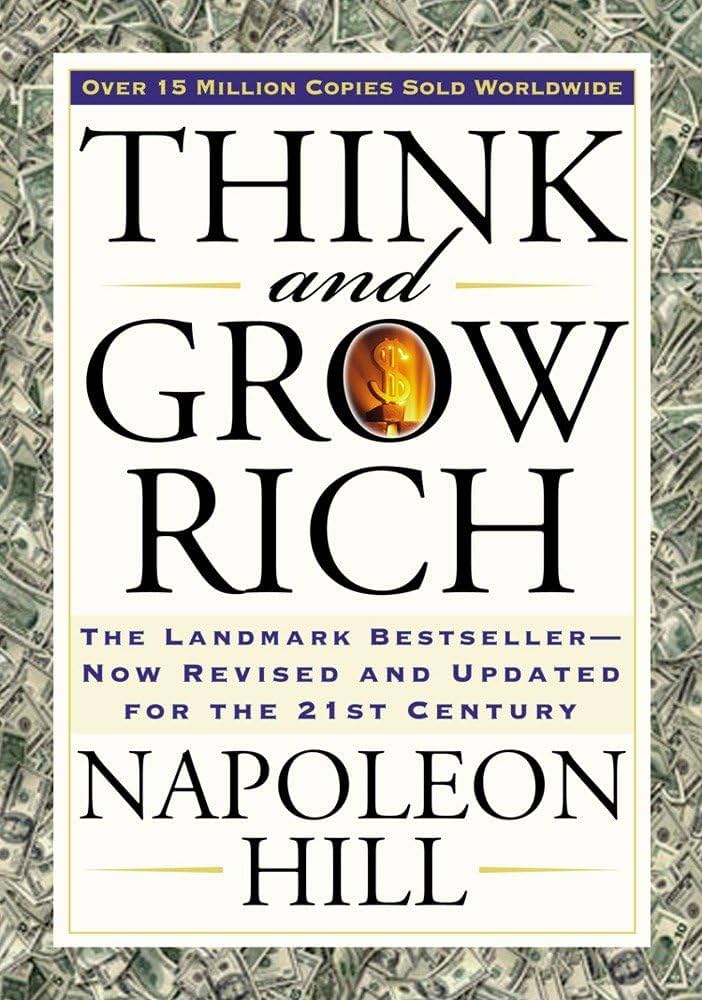
While not a traditional budgeting manual, Napoleon Hill’s classic Think and Grow Rich explores the psychological framework behind achievement, wealth generation, and success. Based on interviews with over 500 self-made millionaires—including Andrew Carnegie, Henry Ford, and Thomas Edison—Hill analyzed the invisible mental habits that separate high achievers from everyone else.
The book emphasizes the power of a definite major purpose, burning desire, organized planning, persistence, and the mastermind principle. It argues that financial success begins in the mind before it ever manifests in your bank account.
- Why read it: It instills a resilient, goal-oriented mindset necessary to overcome obstacles and pursue ambitious financial targets.
- Best for: Anyone looking to combine financial strategy with personal development and ambition.
Where to Begin Your Financial Journey
You do not need to read all ten books at once. If you are struggling with debt, start with The Total Money Makeover. If you feel anxious about investing, pick up The Simple Path to Wealth. If your mindset around money feels broken, dive straight into The Psychology of Money.
Financial literacy is a lifelong journey, and every page you read brings you one step closer to true independence, peace of mind, and control over your future.