10 Best Books About Building Wealth From Scratch

Building wealth from scratch can feel like trying to climb a vertical glass wall. When you start with zero capital, student loan debt, or a modest paycheck, the world of finance often sounds like an exclusive club speaking a foreign language. But here is the empowering truth: every single self-made millionaire started exactly where you are standing right now.
The secret differentiator isn’t a massive inheritance or a stroke of lottery luck. It is knowledge, mindset, and repeatable systems. Financial literacy is the great equalizer, and the right book can act as a mentor, a roadmap, and a reality check all at once.
To help you navigate through thousands of personal finance titles, we have curated the 10 best books about building wealth from scratch. These selections are written in plain English, designed for absolute beginners, optimized for high readability, and completely aligned with modern wealth-building strategies. Let’s dive in and unlock your financial future.
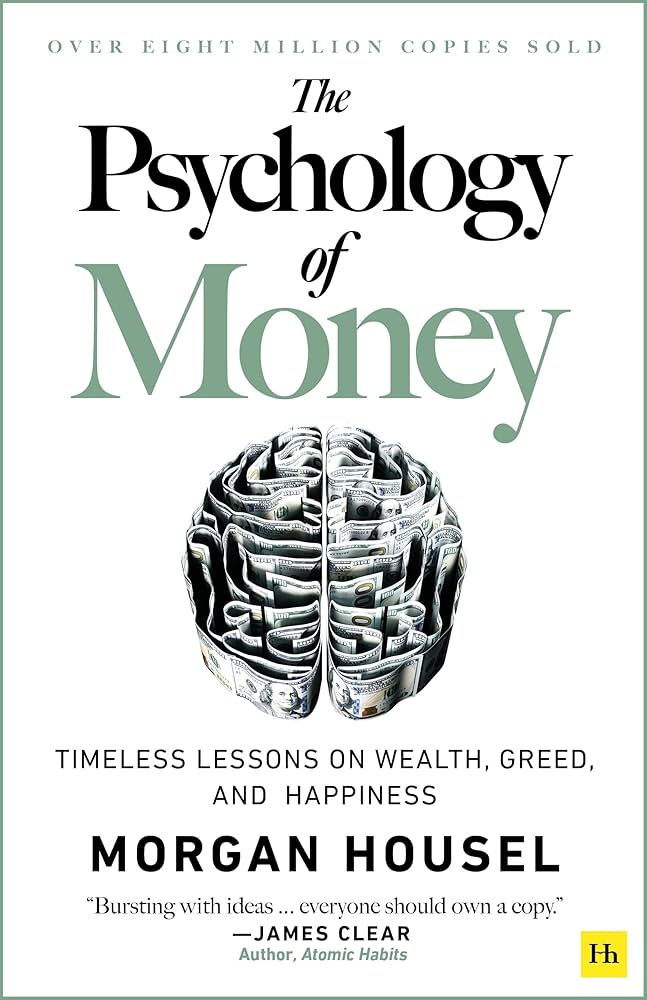
1. The Psychology of Money by Morgan Housel
Why It Belongs on Your Bookshelf
Before you can master numbers, spreadsheets, or investment portfolios, you must master yourself. Morgan Housel’s modern classic, The Psychology of Money, brilliantly argues that doing well with money has a little to do with how smart you are and a lot to do with how you behave.
Key Takeaways for Beginners
- Soft Skills Trump Hard Math: Financial success is not a hard science; it is a soft skill where how you behave is more important than what you know.
- The Definition of True Wealth: Wealth is what you don’t see—it’s the cars you didn’t buy, the watches you didn’t wear, and the financial freedom of having options.
- Compounding Patience: Getting wealthy is hard; staying wealthy is even harder. Survival and longevity in the market are your primary objectives.
Who Should Read This
Absolute beginners who feel intimidated by complex economic theories and want to understand why humans make irrational financial decisions—and how to fix their own habits.
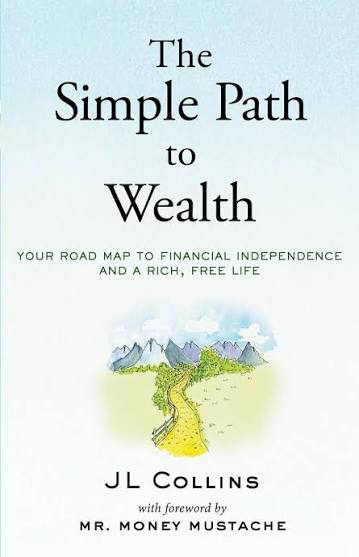
2. The Simple Path to Wealth by JL Collins
Why It Belongs on Your Bookshelf
Born out of a series of letters written to his daughter, JL Collins strips away the complicated jargon, high fees, and smoke-and-mirrors tactics propagated by Wall Street. The Simple Path to Wealth provides an unshakeable, no-nonsense roadmap to achieving financial independence through low-cost index fund investing.
Key Takeaways for Beginners
- F-You Money: Building a cushion gives you ultimate personal freedom, ensuring you never have to tolerate a toxic job or bad situation out of financial desperation.
- The Power of VTSAX: You don’t need to pick individual stocks. Buying a broad-market index fund like Vanguard’s Total Stock Market Index Fund captures the entire economic growth of the country safely and cheaply.
- Avoid Debt Like the Plague: Debt is an anchor weighing down your financial ship. Cutting consumer debt is your first mandatory wealth-building milestone.
Who Should Read This
Anyone starting from scratch who wants a clear, step-by-step blueprint for long-term investing without spending hours staring at stock tickers every day.
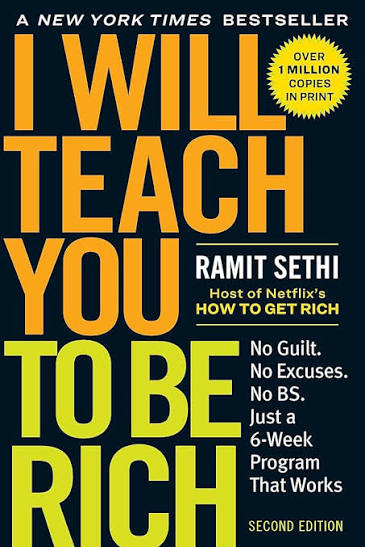
3. I Will Teach You to Be Rich by Ramit Sethi
Why It Belongs on Your Bookshelf
Don’t let the provocative title fool you; Ramit Sethi’s philosophy is deeply practical, modern, and shame-free. Instead of telling you to cut out lattes and avocado toast forever, I Will Teach You to Be Rich focuses on conscious spending and automating your financial life so your money grows while you sleep.
Key Takeaways for Beginners
- The Systems Approach: Set up automated transfers on payday so your savings, investments, and bills are paid before you ever get a chance to spend the money on impulse buys.
- The “Rich Life” Framework: Spend extravagantly on the things you love, and mercilessly cut costs on the things you don’t care about.
- Optimize the Big Wins: Focus your energy on high-impact financial moves—like negotiating your salary, buying a home wisely, and lowering credit card interest rates—rather than stressing over minor expenses.
Who Should Read This
Young adults and complete beginners who want an actionable, 6-week conscious program to organize their bank accounts, pay off debt, and start investing effortlessly.
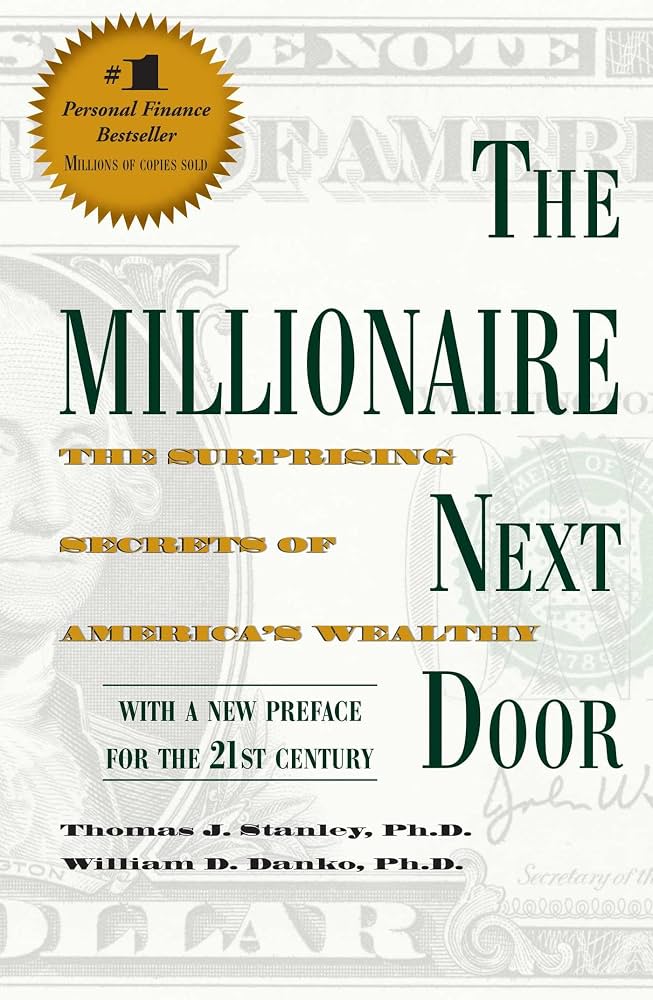
4. The Millionaire Next Door by Thomas J. Stanley and William D. Danko
Why It Belongs on Your Bookshelf
Based on decades of exhaustive research into actual American millionaires, this eye-opening book shatters the Hollywood myth that rich people live in mega-mansions and drive exotic sports cars. In reality, the millionaire next door is often the frugal neighbor driving a ten-year-old car who consistently lives below their means.
Key Takeaways for Beginners
- Income vs. Wealth: High income does not equal high net worth. Many high-earning professionals spend every penny they make maintaining an expensive lifestyle (making them “income rich and asset poor”).
- Frugality as a Superpower: Accumulating wealth requires discipline, budgeting, and prioritizing financial independence over displaying social status.
- Offense vs. Defense: Building wealth is just as much about playing good defense (controlling your expenses and minimizing taxes) as it is about playing offense (earning a high salary).
Who Should Read This
Readers who struggle with lifestyle inflation and need a reality check on what true, sustainable wealth-building behavior actually looks like.
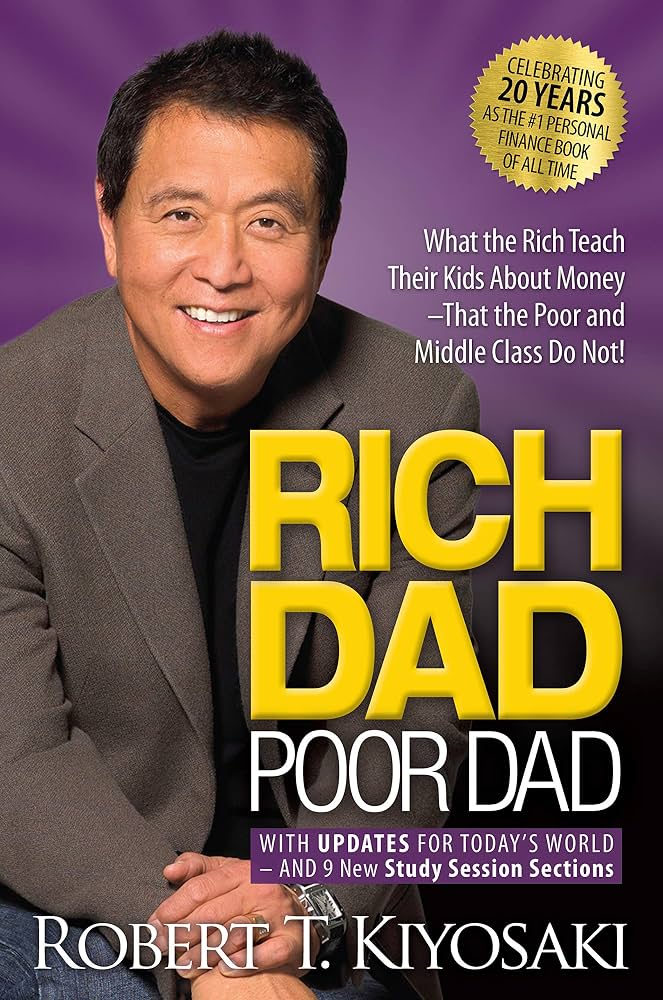
5. Rich Dad Poor Dad by Robert T. Kiyosaki
Why It Belongs on Your Bookshelf
As one of the most widely read personal finance books of all time, Robert Kiyosaki’s foundational guide challenges conventional wisdom about jobs, education, and money. Through contrasting the mindsets of his biological father (“Poor Dad”) and his best friend’s entrepreneur father (“Rich Dad”), Kiyosaki redefines what constitutes an asset.
Key Takeaways for Beginners
- Assets vs. Liabilities: An asset puts money in your pocket (e.g., rental properties, dividend stocks, digital businesses); a liability takes money out of your pocket (e.g., your primary personal residence, car loans, consumer debt).
- Work to Learn, Not to Earn: In your early wealth-building journey, prioritize acquiring high-income skills (like sales, marketing, and financial literacy) over chasing a slightly higher starting salary.
- Overcoming Fear: The primary difference between the rich and the middle class is how they manage financial risk and fear of failure.
Who Should Read This
Absolute beginners looking to shift their mindset away from working purely for a paycheck toward building cash-flowing assets that generate true financial freedom.
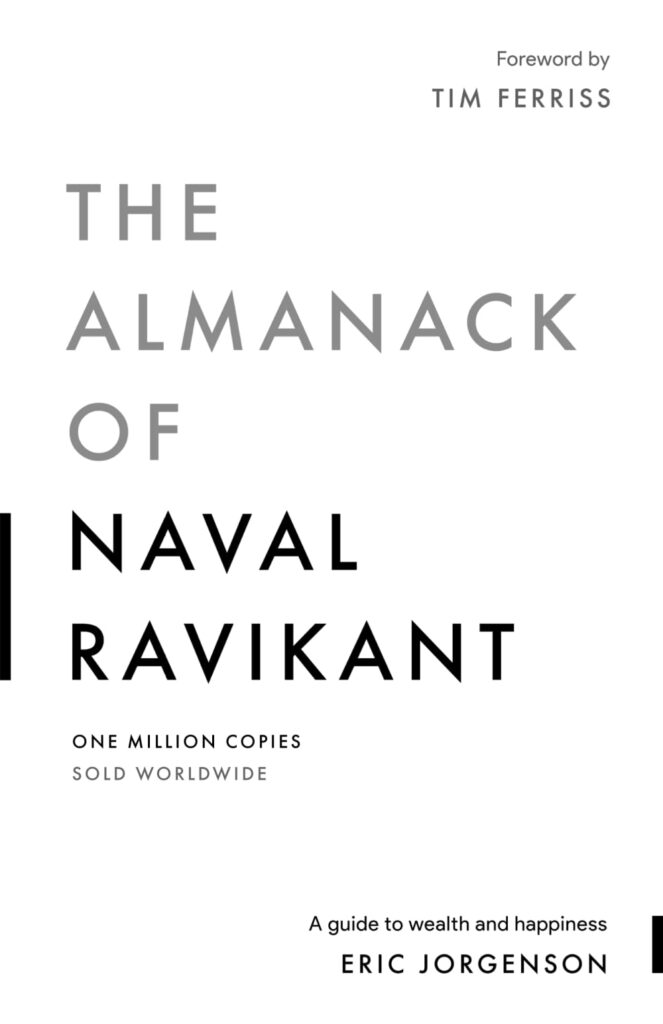
6. The Almanack of Naval Ravikant by Eric Jorgenson
Why It Belongs on Your Bookshelf
Naval Ravikant is a philosopher-entrepreneur whose wisdom on wealth creation and happiness has taken the internet by storm. Compiled by Eric Jorgenson, this book distills Naval’s timeless Twitter threads and podcast interviews into a powerful manual on leveraging accountability, specific knowledge, and judgment.
Key Takeaways for Beginners
- Productize Yourself: Find your unique “specific knowledge”—the things you were naturally doing effortlessly as a teenager—and scale it using code, media, capital, or labor.
- Permissionless Leverage: In the modern digital economy, you don’t need anyone’s permission to build leverage. Code and media work for you 24/7 while you sleep.
- Equity Ownership: You will never get rich renting out your time. You must own equity—a piece of a business, product, or intellectual property—to truly uncouple your time from your earnings.
Who Should Read This
Aspiring entrepreneurs, freelancers, and digital creators who want to understand modern leverage, scale their income, and build wealth from scratch online.
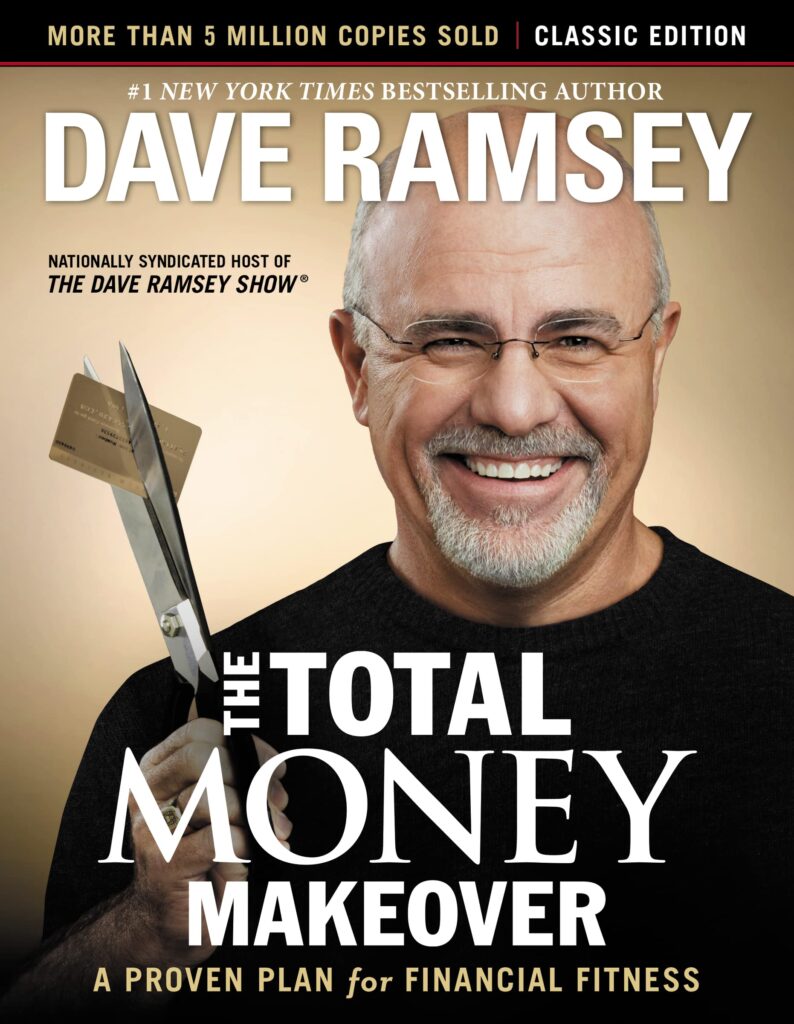
7. The Total Money Makeover by Dave Ramsey
Why It Belongs on Your Bookshelf
If you are drowning in credit card debt, car payments, or personal loans and don’t know where to turn, Dave Ramsey’s The Total Money Makeover is the tough-love emergency room guide you need. Ramsey lays out a disciplined, step-by-step framework known as the “Baby Steps” to drag yourself out of financial ruin.
Key Takeaways for Beginners
- The $1,000 Emergency Starter Fund: Before paying down extra debt, stash away $1,000 in cash so a minor emergency doesn’t force you back onto your credit cards.
- The Debt Snowball Method: Pay off your smallest debts first regardless of interest rate, rolling the payments into the next smallest debt. The psychological momentum builds unstoppable confidence.
- Live Like No One Else: Extreme goals require extreme focus. For a short season of your life, cut out non-essential luxuries to aggressively wipe your financial slate clean.
Who Should Read This
Beginners who are currently paralyzed by consumer debt and need a rigid, emotionally motivating, step-by-step system to get back to ground zero.
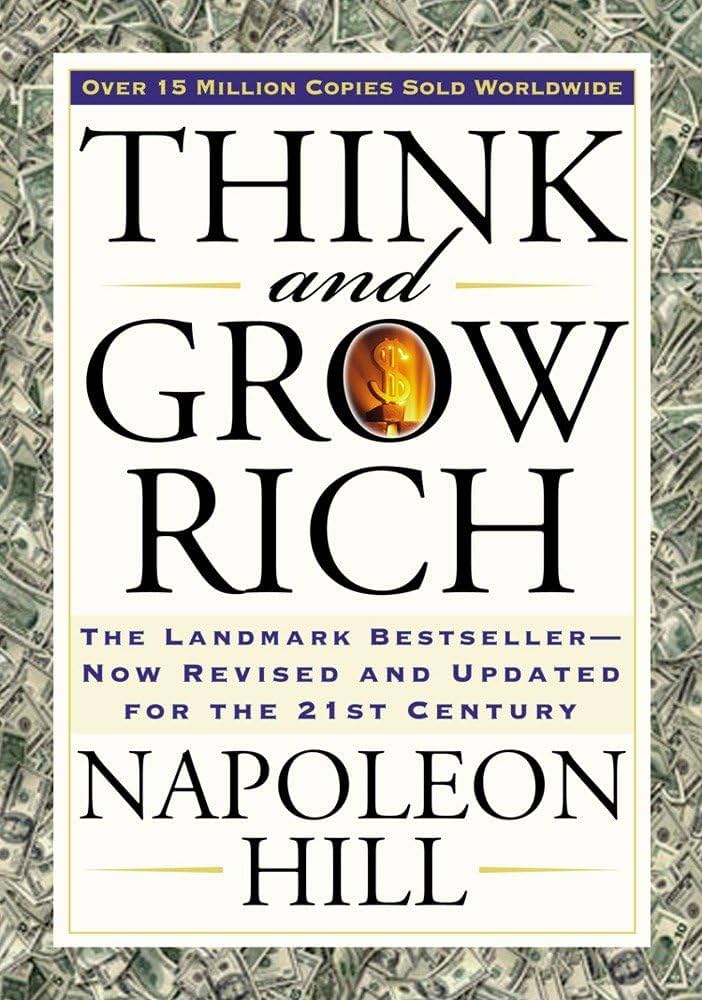
8. Think and Grow Rich by Napoleon Hill
Why It Belongs on Your Bookshelf
Published in 1937 during the Great Depression, Napoleon Hill’s masterpiece is the grandfather of all success literature. Based on interviews with over 500 self-made millionaires of the early 20th century—including Andrew Carnegie and Henry Ford—Hill isolates the psychological laws of achievement.
Key Takeaways for Beginners
- Definiteness of Purpose: You must have a clear, precise financial goal written down, coupled with an obsessive burning desire to achieve it.
- The Mastermind Principle: Surround yourself with an alliance of bright, motivated individuals who support your vision and push you to elevate your standards.
- Overcoming Procrastination: Fear and doubt are the twin enemies of wealth creation; they must be systematically replaced with faith and persistent execution.
Who Should Read This
Readers looking to cultivate an unstoppable entrepreneurial mindset, conquer self-doubt, and align their psychological focus toward major wealth goals.
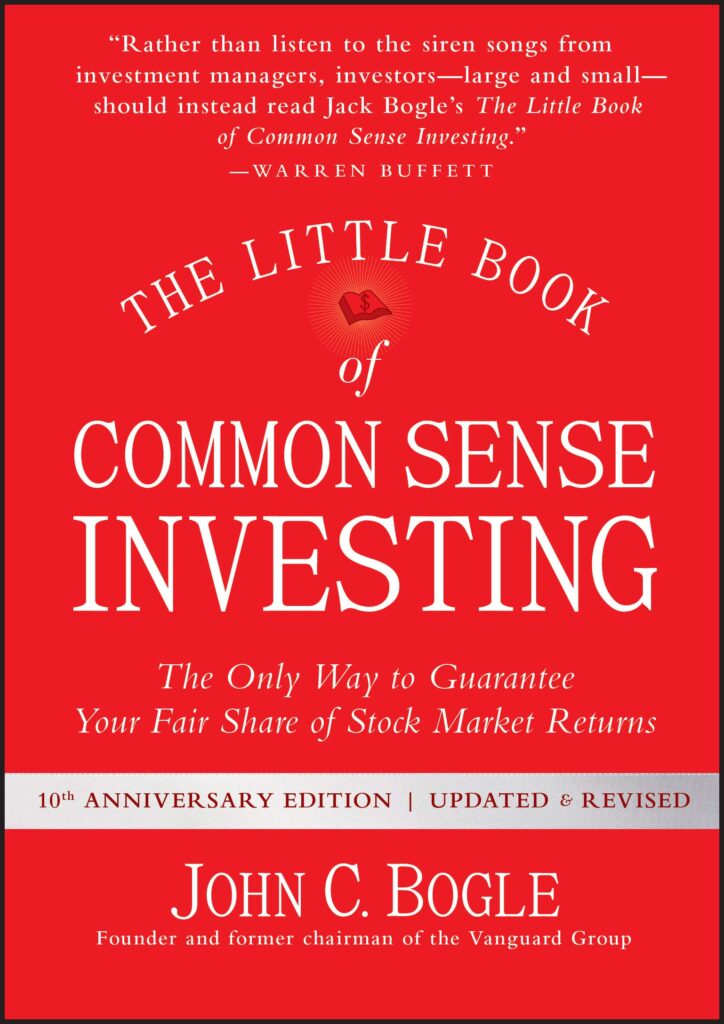
9. The Little Book of Common Sense Investing by John C. Bogle
Why It Belongs on Your Bookshelf
Written by the legendary founder of Vanguard and the pioneer of index fund investing, John C. Bogle’s classic book proves that the winning formula for investing is breathtakingly simple. Bogle demonstrates how trying to beat the stock market by picking individual winning stocks is a fool’s errand for most retail investors.
Key Takeaways for Beginners
- Cost Matters Tremendously: High management fees, mutual fund expenses, and trading commissions eat away at your compounding returns over decades like a silent termite infestation.
- “Don’t Look for the Needle in the Haystack. Just Buy the Haystack!”: By purchasing a low-cost index fund, you instantly own a diversified slice of the entire market, capturing average market returns that consistently outperform most professional fund managers.
- Time is Your Greatest Ally: Start investing early, stay consistent through market crashes, and let compound interest do the heavy lifting.
Who Should Read This
Beginners who want a mathematically sound, stress-free investing strategy that takes only minutes a month to manage.
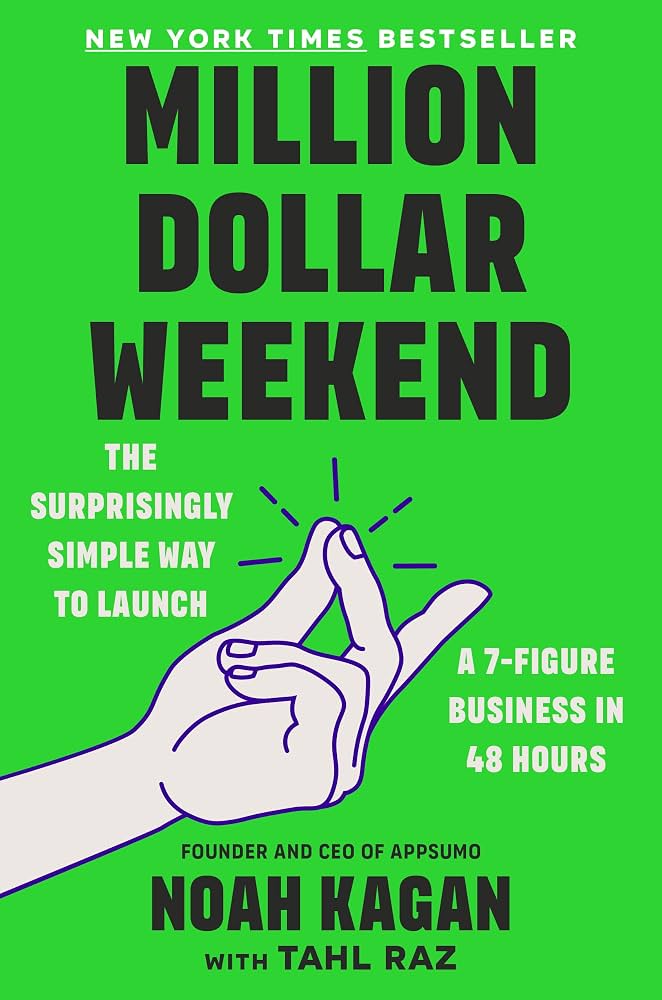
10. Million Dollar Weekend by Noah Kagan
Why It Belongs on Your Bookshelf
If your path to building wealth from scratch requires starting a business or side-hustle rather than waiting decades for retirement accounts to grow, Noah Kagan’s Million Dollar Weekend is your ultimate tactical launchpad. Kagan outlines a practical, fear-reducing method to validate business ideas and make your first dollar in just 48 hours.
Key Takeaways for Beginners
- Ask for Money, Not Opinions: When testing a business idea, don’t ask friends if they like it; ask strangers if they are willing to pre-pay for it. Real validation is financial commitment.
- Overcome the Fear of Rejection: Rejection is not fatal. By reframing rejection as a fun game (e.g., asking for discounts in coffee shops), you build thick skin for entrepreneurship.
- Start Small and Scale: You don’t need a fancy logo, a complex website, or outside funding to start. You just need a customer with a problem and a solution you can deliver.
Who Should Read This
Aspiring side-hustlers and entrepreneurs who want an actionable weekend framework to test business concepts and create a secondary stream of income from scratch.
Choosing Your First Wealth-Building Book
| Book Title | Author | Best Suited For | Core Focus |
|---|---|---|---|
| The Psychology of Money | Morgan Housel | Mindset building | Behavioral finance & decision making |
| The Simple Path to Wealth | JL Collins | Passive investors | Low-cost index fund investing |
| I Will Teach You to Be Rich | Ramit Sethi | Practical budgeting | Automated financial systems & conscious spending |
| The Millionaire Next Door | Thomas J. Stanley | Expense control | Frugality & lifestyle management |
| Rich Dad Poor Dad | Robert T. Kiyosaki | Asset education | Cash flow & financial literacy |
| The Almanack of Naval Ravikant | Eric Jorgenson | Digital entrepreneurs | Modern leverage & specific knowledge |
| The Total Money Makeover | Dave Ramsey | Debt elimination | Emergency funds & debt snowball |
| Think and Grow Rich | Napoleon Hill | Motivation | Psychological laws of success |
| The Little Book of Common Sense Investing | John C. Bogle | Long-term planning | Vanguard index fund strategy |
| Million Dollar Weekend | Noah Kagan | Side-hustlers | Validating business ideas quickly |
Your Wealth Journey Starts Today
Reading about wealth is an incredible catalyst, but knowledge without execution remains just potential. Pick just one book from this list that resonates with your current financial situation—whether you need to tackle debt, adjust your mindset, or start investing—and commit to reading just ten pages a day.
Your future self will thank you for the financial foundation you begin building today.