Which Financial Books Are Still Relevant in 2026?

Navigating personal finance in the digital era can feel overwhelming. With endless financial advice flooding social media, algorithmic stock tips, and shifting economic landscapes, figuring out where to build a solid foundation is tougher than ever. Yet, while apps and online platforms change overnight, human behavior and the core mechanics of wealth generation remain remarkably consistent.
If you are looking to take control of your financial future without getting lost in complicated jargon, turning to proven literature is still your best strategy. But which financial books have genuinely stood the test of time, and which ones remain absolute must-reads? This guide breaks down the timeless titles that continue to shape smart financial decisions, offering clear, actionable wisdom for anyone starting their money journey.
1. The Psychology of Money by Morgan Housel
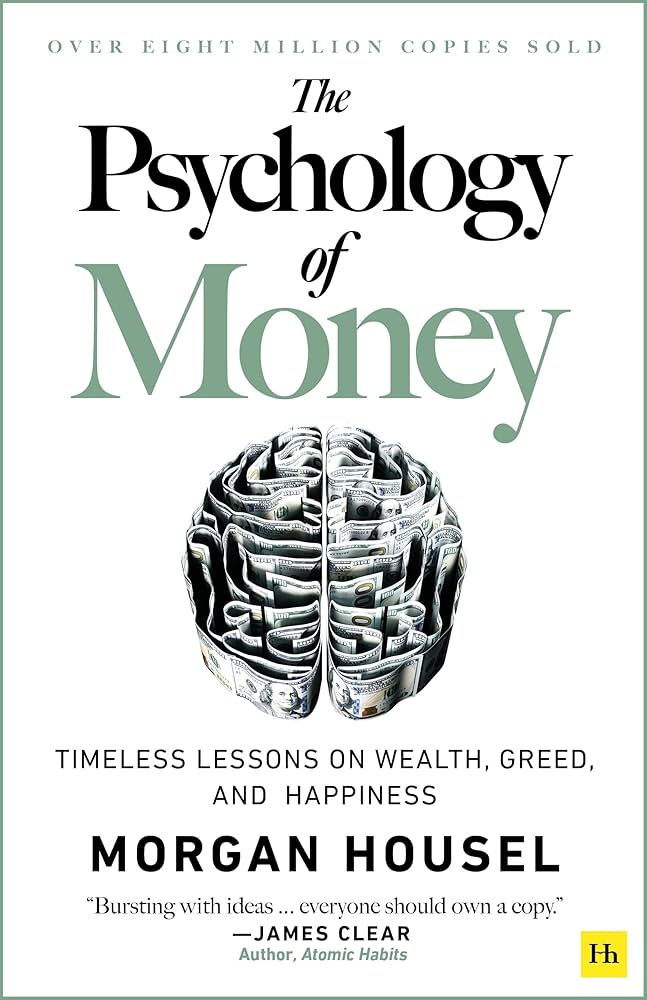
When discussing modern financial literature, this masterpiece almost always tops the list. Published a few years ago, it has quickly cemented its place as a modern classic because it shifts the focus away from complex math and straight toward human behavior.
Why It Still Matters Today
Housel’s core thesis is simple yet profound: doing well with money has little to do with how smart you are and everything to do with how you behave. In a world filled with fast-paced trading apps and overnight crypto trends, this book reminds readers that emotional control, patience, and humility are the real drivers of long-term wealth.
Key Takeaways for Beginners
- Wealth is what you don’t see: Spending money to show people how much you have is the fastest way to have less money. True wealth consists of unspent financial assets.
- The power of staying in the game: Compounding relies heavily on not interrupting the process. Survival and avoiding catastrophic financial mistakes matter more than chasing spectacular, high-risk returns.
2. The Richest Man in Babylon by George S. Clason
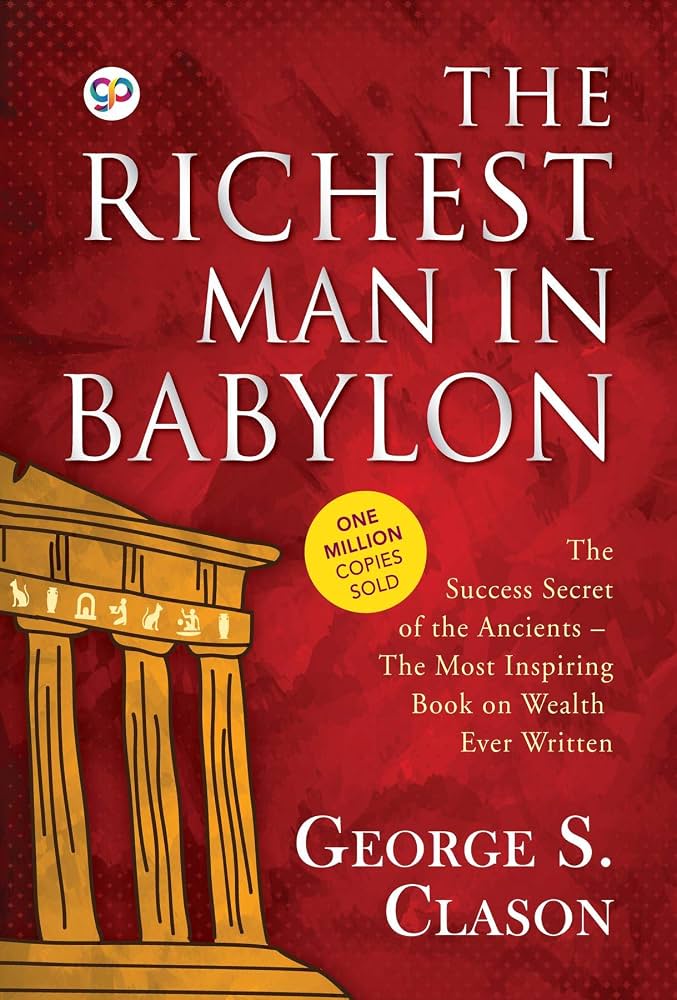
First published in 1926, this slender volume uses a series of parables set in ancient Babylon to teach fundamental financial truths. Don’t let its age fool you; its principles are as fresh and actionable today as they were a century ago.
Why It Still Matters Today
Human nature does not change. People have been dealing with debt, temptation, and income scarcity for thousands of years. Clason frames financial lessons as engaging stories that require zero background in economics, making it one of the most accessible entry points for absolute beginners.
Key Takeaways for Beginners
- Pay yourself first: Systematically set aside a portion of your earnings—at least ten percent—before you pay any other expenses or bills.
- Make your gold multiply: Put your savings to work so that they continually generate income, creating a reliable stream of passive cash flow over time.
- Guard your treasures from loss: Protect your principal investment by only committing funds to safe, well-understood ventures rather than speculative gambles.
3. Rich Dad Poor Dad by Robert Kiyosaki
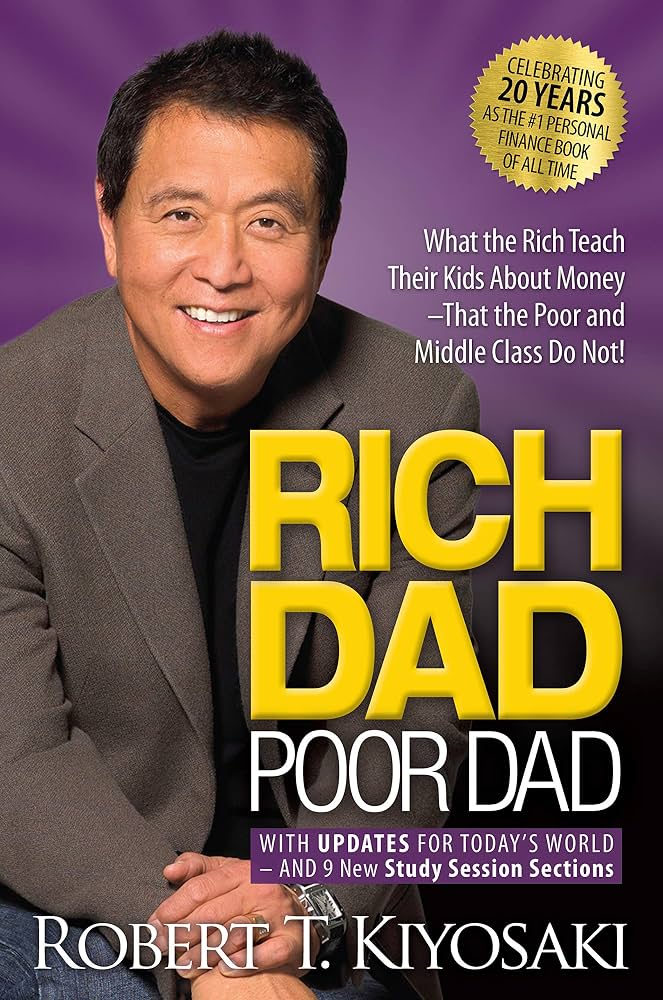
Few books have sparked as much global conversation about money as Kiyosaki’s famous comparison between his educated, salaried biological father (“poor dad”) and his entrepreneur mentor (“rich dad”).
Why It Still Matters Today
The book challenges conventional middle-class wisdom, arguing that traditional paths—studying hard, getting a secure job, and saving cash in a low-interest bank account—are no longer enough to achieve true financial independence. It forces readers to rethink how they view income versus ownership.
Key Takeaways for Beginners
- Understand assets versus liabilities: An asset puts money in your pocket, while a liability takes money out. Many people mistake high-cost lifestyle items, like an oversized primary residence or expensive car loans, for assets when they are actually financial drains.
- Financial literacy is vital: You must learn how money works rather than simply working hard for money. Understanding basic investing, corporate structures, and cash flow creates true leverage.
4. The Simple Path to Wealth by JL Collins
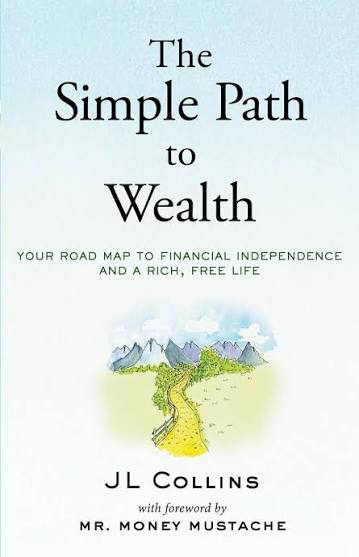
Rooted in a series of letters originally written for his daughter, JL Collins offers a refreshingly straightforward guide to achieving financial freedom without unnecessary complexity.
Why It Still Matters Today
Many beginners feel paralyzed by the sheer volume of investment choices available in the markets. Collins cuts through the noise by advocating for low-cost index fund investing, proving that building wealth does not require timing the market or hiring expensive financial managers.
Key Takeaways for Beginners
- F-You Money: Saving diligently and investing in broad-market index funds eventually builds enough cushion that work becomes an option rather than a desperate necessity.
- Keep costs low: High management fees and frequent trading eat away at your returns over decades. Minimizing investment friction keeps more capital compounding in your portfolio.
Building Your Personal Reading Strategy
Choosing a book to read is only the first step; the real transformation happens when you apply its lessons to your daily life. If you are starting fresh, consider pacing your reading journey:
- For mindset shifts: Start with The Psychology of Money to build emotional resilience against market swings.
- For basic savings habits: Read The Richest Man in Babylon to master the art of paying yourself first.
- For structural wealth building: Explore Rich Dad Poor Dad and The Simple Path to Wealth to understand how assets and index funds work together.
By anchoring your financial habits to these timeless principles, you can navigate economic changes with confidence, protect your hard-earned savings, and steadily construct a secure future.