8 Best Books About Financial Independence

Achieving financial independence (FI) is rarely about winning a massive lottery jackpot or working eighty-hour weeks until you are sixty-five. For millions of people, it is about shifting how you think about money, controlling your daily expenses, and letting compound growth do the heavy lifting. If you want to escape the traditional nine-to-five grind and design a lifestyle centered around personal freedom, the right book can completely change your trajectory.
Below are eight of the absolute best books about financial independence. Written for readers at any stage of their financial journey, these titles strip away confusing Wall Street jargon and provide actionable steps to build long-term wealth.
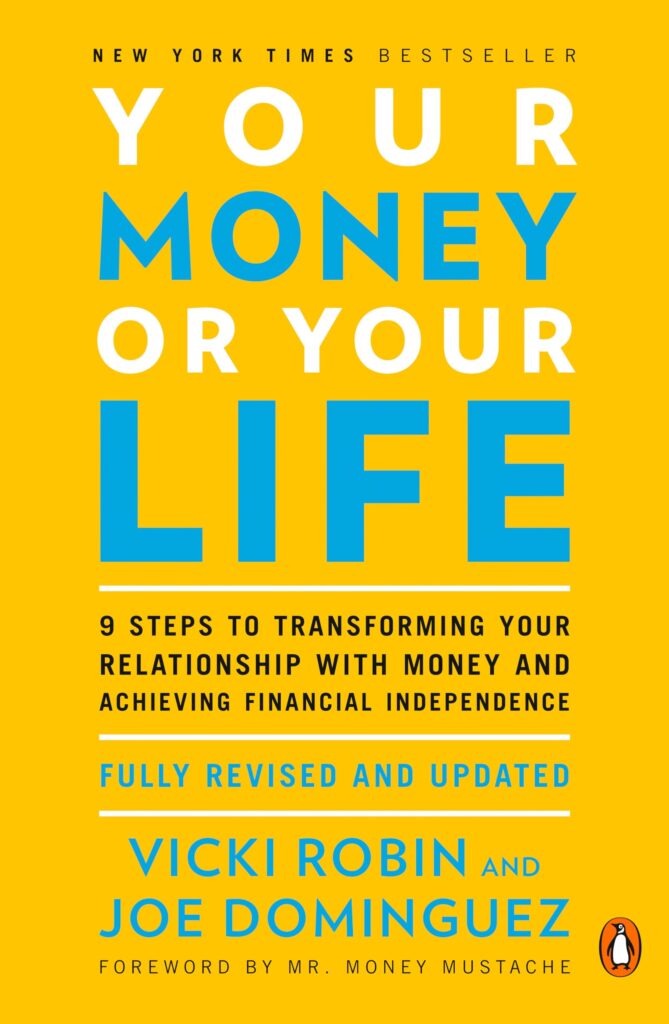
1. Your Money or Your Life by Vicki Robin and Joe Dominguez
Transforming Your Relationship with Money
Long before the modern FIRE (Financial Independence, Retire Early) movement dominated internet forums, Your Money or Your Life laid the foundational blueprint. The core premise of this classic guide is simple yet revolutionary: money is not just currency; it is life energy. Every time you purchase something, you are spending hours of your actual life to pay for it.
Why It Matters for Beginners
Instead of focusing purely on strict budgeting or painful penny-pinching, Vicki Robin and Joe Dominguez teach you how to evaluate your spending through the lens of fulfillment. By calculating your true hourly wage—factoring in commute times, work clothes, and work-related stress—you start noticing how many minor purchases drain your resources without adding real value to your days. This mindset shift is essential for anyone starting their journey toward complete financial independence.
2. The Simple Path to Wealth by J.L. Collins
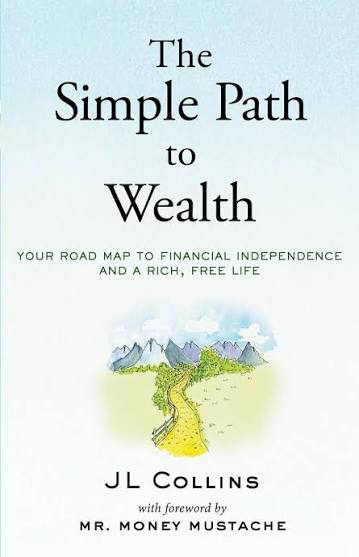
Mastering the Stock Market Without the Stress
For many beginners, investing feels like an intimidating casino where only Wall Street professionals win. J.L. Collins dismantles this myth in The Simple Path to Wealth, originally written as a series of letters to his daughter. Collins explains that building wealth does not require picking individual stocks or timing the market.
Core Investment Strategies
The book champions a straightforward, low-cost approach centered around broad-market index funds (such as Vanguard’s total stock market funds). Collins breaks down the mechanics of the stock market, explains how economic downturns work, and outlines the famous “4% rule” for safe retirement withdrawals. It is arguably the most practical, stress-free roadmap for accumulating enough assets to live off your investments indefinitely.
3. Financial Freedom: A Proven Path to All the Money You Will Ever Need by Grant Sabatier
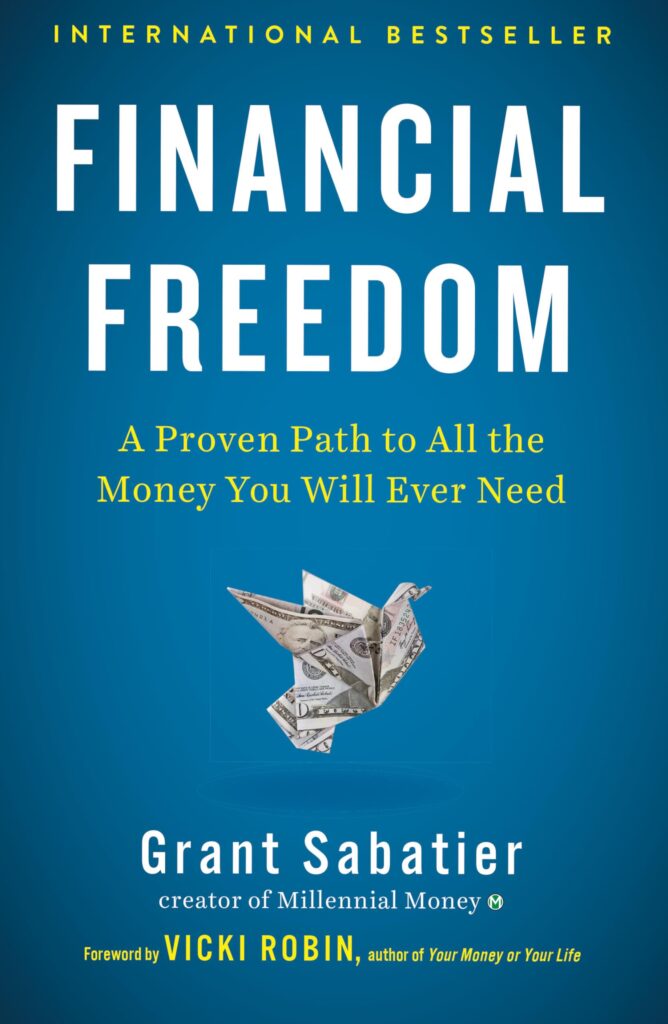
Scaling Up Your Income and Accelerating Your Timeline
While many personal finance books focus exclusively on cutting expenses, Grant Sabatier takes a dual-engine approach: cutting costs while aggressively growing your income. Sabatier went from having a net worth of just $2.26 to achieving financial independence in five years by optimizing his career, launching side hustles, and investing heavily.
Practical Steps for Rapid Growth
- Negotiating your salary and increasing your primary earning potential.
- Launching scalable side hustles to generate extra income streams.
- Automating your investments to remove emotion from wealth building.
Financial Freedom provides a clear, stage-by-stage framework for where you are and where you want to be. Sabatier teaches readers how to monetize side skills and optimize investments. It is an inspiring read for anyone who feels stuck in a low-paying job and wants to compress decades of traditional saving into a much shorter timeframe.
4. Quit Like a Millionaire: No Gimmicks, Luck, or Trust Fund Required by Kristy Shen and Bryce Leung
Modern Strategies for the Global Citizen
Written by software engineers who retired in their early thirties with over a million dollars, Quit Like a Millionaire offers a refreshing, modern take on early retirement. Kristy Shen grew up in poverty in China before immigrating to Canada, which shaped her pragmatic, numbers-driven view of money.
Escaping Traditional Cost-of-Living Traps
Shen and Leung explain how traditional milestones—like buying a house or funding expensive degrees—can sometimes act as financial anchors rather than assets. The book dives deep into “geographic arbitrage,” showing how living abroad or in lower-cost areas can dramatically reduce the amount of money you need to retire. It is a fantastic guide for readers looking for unconventional, highly efficient paths to absolute freedom.
5. The Psychology of Money by Morgan Housel
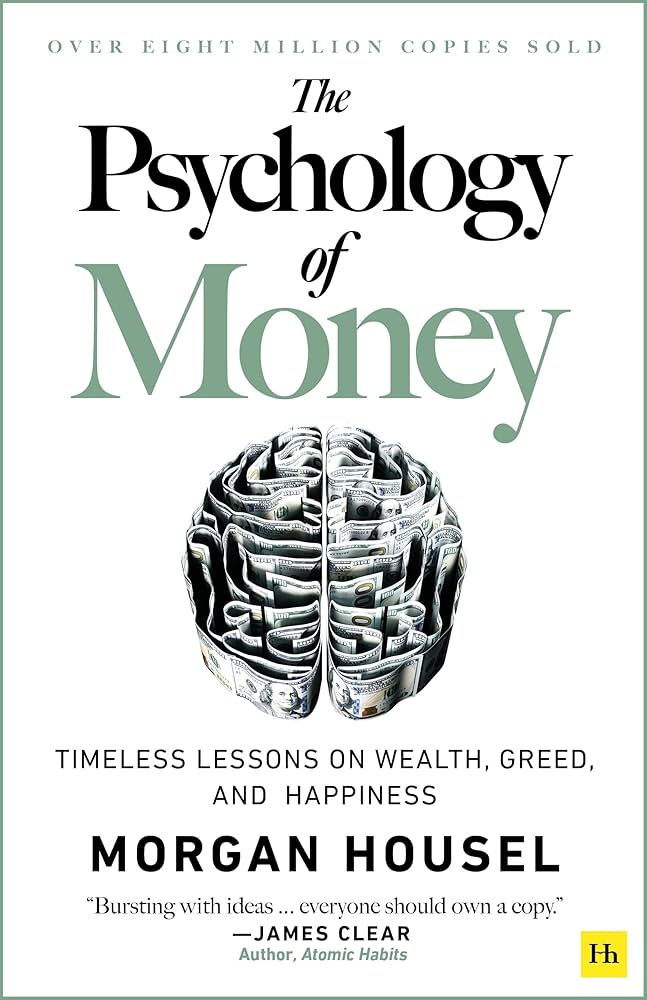
Understanding Your Own Financial Behavior
Doing well with money has surprisingly little to do with how high your IQ is and everything to do with how you behave. In The Psychology of Money, Morgan Housel presents nineteen short stories exploring the strange ways people think about wealth, greed, and risk.
Why Mindset Drives Wealth Accumulation
Housel illustrates that accumulating wealth is less about earning high returns and more about cultivating patience, humility, and avoiding catastrophic financial mistakes. Because financial independence requires long-term consistency, mastering your emotional responses to market volatility and lifestyle inflation is just as important as setting up your retirement accounts.
6. Work Optional: Retire Early the Non-Penny-Pinching Way by Tanja Hester
Designing a Realistic Path to Early Retirement
Many people hesitate to pursue financial independence because they assume it requires extreme frugality, eating instant noodles, and giving up all comforts. Tanja Hester, creator of the popular blog Our Next Life, shatters this misconception.
Balancing Enjoyment Today with Freedom Tomorrow
Work Optional provides a realistic roadmap for building an early retirement strategy that fits your actual life. Hester emphasizes that financial independence is not about deprivation; it is about intentional spending. By focusing your resources on what truly matters to you while automating your savings, you can reach financial freedom without making yourself miserable along the way.
7. Rich Dad Poor Dad by Robert Kiyosaki
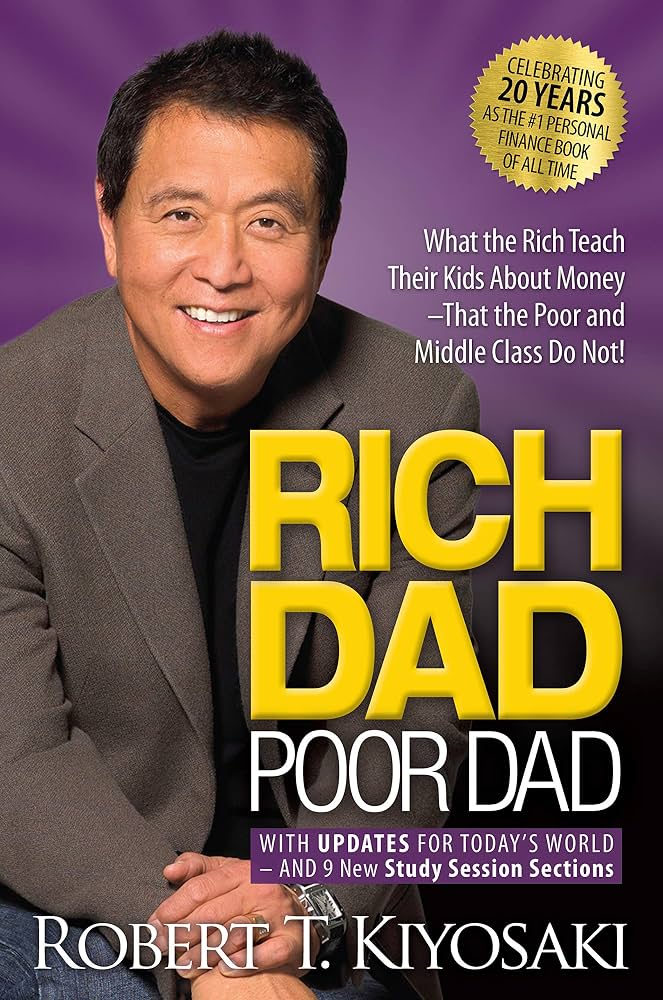
Redefining Assets Versus Liabilities
No list of financial independence literature is complete without Robert Kiyosaki’s iconic bestseller. Rich Dad Poor Dad contrasts the mindsets of Kiyosaki’s biological father (highly educated yet perpetually stressed about money) and the father of his best friend (an entrepreneur who built substantial wealth).
The Power of Financial Education
The central thesis of the book is simple: the poor and middle class work for money, while the rich have money work for them. Kiyosaki clearly defines the difference between assets (things that put money in your pocket) and liabilities (things that take money out of your pocket, such as an oversized primary home or car loan). It serves as a great foundational wake-up call to shift from a consumer mindset to an investor mindset.
8. I Will Teach You to Be Rich by Ramit Sethi
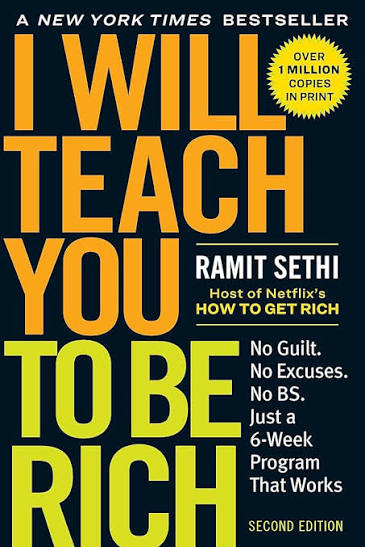
A Practical, Six-Week Automation Plan
For readers who want a step-by-step system rather than broad philosophical theories, Ramit Sethi’s I Will Teach You to Be Rich delivers a comprehensive, no-nonsense program. Sethi focuses on building a “Rich Life”—where you spend guilt-free on the things you love while aggressively cutting costs on things you do not care about.
Setting Up Systems That Run on Autopilot
Rather than tracking every single penny in a tedious manual spreadsheet, Sethi advocates for setting up automated financial systems. Paycheck contributions flow automatically into savings, investments, and fixed bills before you ever have a chance to spend them. This frictionless approach ensures steady progress toward financial independence with minimal daily effort.
Taking the First Step Toward Independence
Achieving financial independence does not happen overnight, but reading even one of these books can completely alter how you view your money, your career, and your future. Whether you want to master low-cost index fund investing through J.L. Collins or redesign your relationship with consumer culture through Vicki Robin, the tools are ready and waiting. Pick the title that resonates most with your current situation, open the first page, and start building the future you deserve.