
Webull vs. Moomoo: Which Brokerage Has Lower Trading Costs?

Choosing the right online brokerage can drastically impact your net profitability, especially if you execute high volumes of trades throughout the week.Two of the most prominent retail trading platforms dominating modern financial markets are Webull and Moomoo.Both platforms have earned stellar reputations for catering to active traders, offering advanced charting capabilities, lightning-fast execution speeds, and high-tech mobile applications.However, when evaluating which platform puts more money back into your pocket, the fundamental question centers around trading costs.
This comprehensive analysis breaks down every single cost associated with both brokers—from standard commissions and options contracts to margin borrowing rates, regulatory fees, and ancillary account expenses. By the end of this guide, you will have complete clarity on which platform minimizes your overhead and maximizes your trading edge.
Understanding Standard Commissions on Equities and ETFs
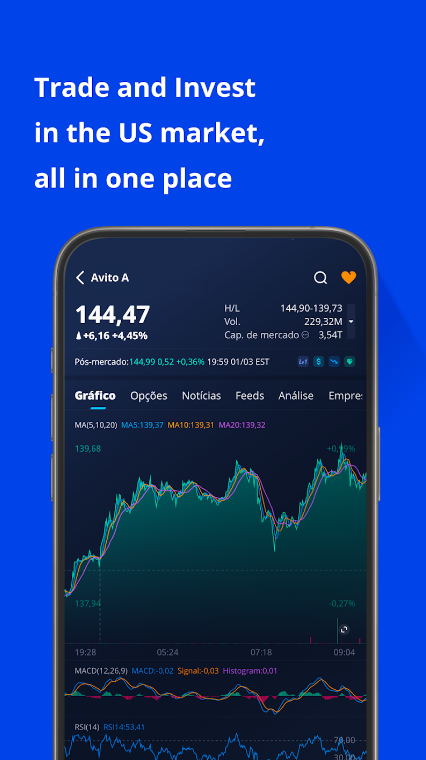
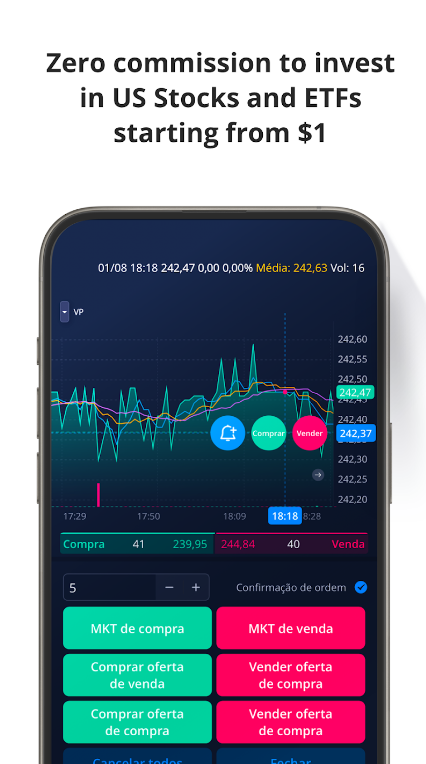
For the average retail investor, commission-free trading has become the baseline expectation across the brokerage industry. Both Webull and Moomoo offer $0 commission trading for standard U.S.-listed stocks and Exchange-Traded Funds (ETFs). This means that placing a buy or sell order for equities does not incur a direct fee from either broker.
However, a closer look at cost-efficiency reveals subtle differences in market routing and execution quality. While both brokers provide commission-free access to major exchanges like the NYSE and NASDAQ, active day traders must look beyond headline commission figures. Order execution quality—specifically price improvement and execution speed—plays a massive hidden role in your overall trading costs. Slippage can cost a frequent trader far more than a fixed commission. Both platforms leverage advanced smart order routers, but institutional backing gives them unique infrastructural advantages.
Furthermore, cash accounts versus margin accounts handle settlements differently. Neither Webull nor Moomoo charges monthly maintenance or subscription fees just to keep your standard account open, keeping the barrier to entry non-existent for casual investors and professionals alike.
Options Trading Fees: Contracts and Exercise Costs
Derivatives traders look closely at contract fees because expenses can accumulate rapidly across dozens or hundreds of contracts. When evaluating options trading costs, both Webull and Moomoo provide $0 commission structures for standard equity options trading.
- Webull Options Pricing:Webull charges $0 per contract for standard equity options. However, for index options, standard regulatory and exchange fees apply, alongside minor contract fees depending on the specific product tier.
- Moomoo Options Pricing:Moomoo also matches this competitive baseline with $0 commission on equity options, alongside robust analytical tools like built-in options calculators that help traders evaluate Greeks without incurring extra software charges.
When it comes to assigning or exercising options contracts, both brokerages maintain standard industry fees, typically hovering around nominal administrative costs per assignment or exercise action. Overall, options traders will find a virtual tie regarding headline contract commissions, making secondary features like data feeds the deciding cost factor.
Margin Interest Rates: Borrowing Money to Trade
If you utilize leverage or trade on margin, your ongoing borrowing costs represent one of the most critical monthly expenses. Margin interest can quickly erode trading gains if the brokerage rate is uncompetitive.
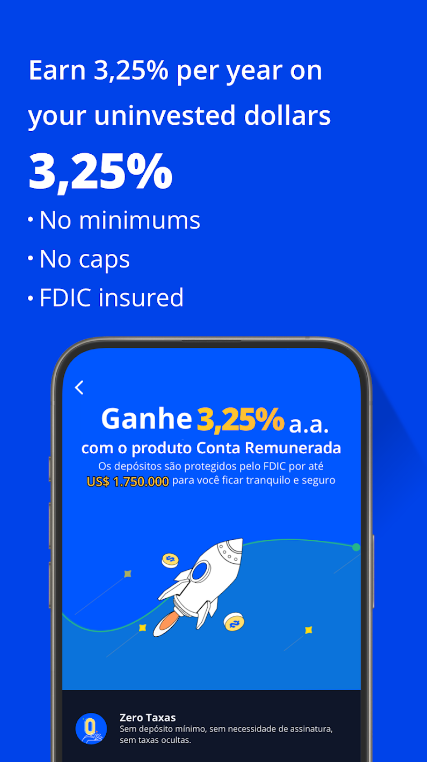
- Webull Margin Rates:Webull utilizes a tiered, variable margin interest structure.Rates scale depending on the total size of your debit balance.Smaller debit balances face higher percentage APRs, while very large portfolios with multi-million-dollar debit balances unlock significantly lower, highly competitive interest brackets.
- Moomoo Margin Rates:Moomoo typically implements a competitive flat-rate structure for long margins on standard U.S. equities, which often benefits retail traders with small to mid-sized accounts who want predictable borrowing costs without needing millions in assets to qualify for promotional tiers.
Active traders must calculate their average daily borrowed amount to determine which structure works best. If you maintain a massive account balance, Webull’s top-tier volume discounts are tough to beat. Conversely, for everyday active accounts, Moomoo’s flat baseline offers exceptional transparency and predictable overhead.
Hidden Data Fees and Market Depth Expenses
Real-time market data is essential for technical analysis, yet many brokerages charge hefty monthly subscription fees for advanced quotes. This is an area where hidden costs can catch unsuspecting traders off guard.
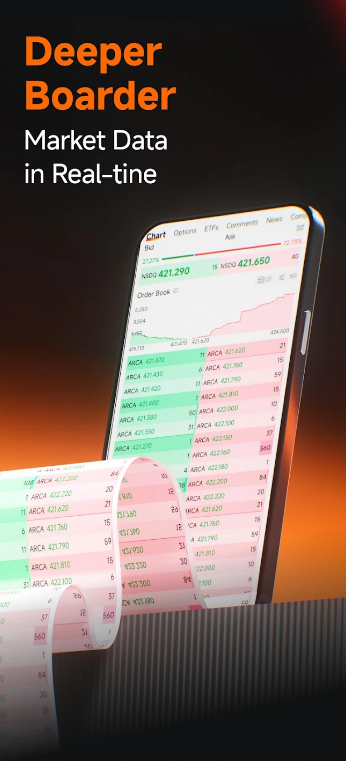
- Level 2 Market Data: Level 2 market data provides a granular look at the order book, showing individual bid and ask sizes. Moomoo stands out by offering free real-time Level 2 market data for funded accounts, saving users significant monthly subscription overhead.Webull also provides promotional access to basic Level 2 quotes for active accounts, but certain deep-market institutional feeds may require premium add-ons depending on your membership tier.
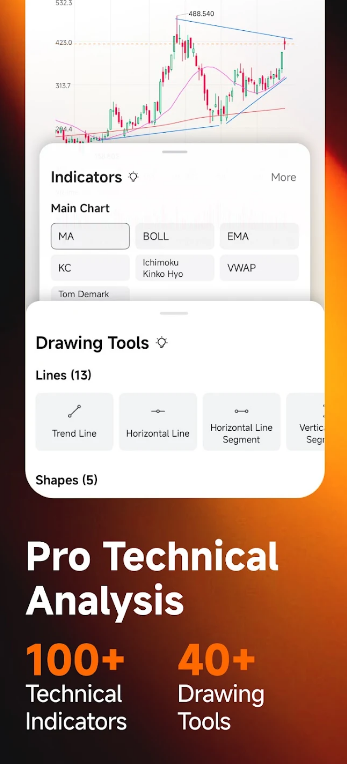
- Charting and Research Feeds: Advanced technical indicators, extended-hours data access, and corporate action insights are integrated directly into both platforms without demanding extra software licensing fees. However, maximizing real-time data feeds without added monthly costs gives Moomoo a slight edge for technical scalpers.
Deposit, Withdrawal, and Administrative Fees
Moving money into and out of your brokerage account should ideally be frictionless and free. Both platforms score high marks by eliminating account setup costs, but wire transfers and specialized requests carry structural fees.
- ACH Transfers:Standard Electronic Funds Transfers (ACH) for deposits and withdrawals are completely free on both Webull and Moomoo.
- Wire Transfers:Domestic outgoing wire transfers typically incur a standard bank processing fee (around $20 to $25 depending on the institution), while international wires may scale slightly higher. Incoming wires are generally free or subject only to intermediary banking charges.
- Account Transfers (ACATS): If you ever decide to transfer your portfolio out of either broker to an external institution, an outgoing ACATS fee applies. Both platforms charge standard industry transfer-out fees, so check their current fee schedules before initiating a migration.
- Inactivity Fees:Neither Webull nor Moomoo charges inactivity fees. You can leave your account dormant for months without worrying about balance erosion due to maintenance penalties.
Short Selling Costs and Hard-to-Borrow Fees
For traders engaged in short-selling strategies, finding shares to borrow and managing borrow fees are crucial components of overall profitability. Hard-to-Borrow (HTB) stocks carry daily interest fees determined by market demand and availability.
Both Webull and Moomoo maintain extensive short-locate lists accessible directly through their mobile and desktop trading dashboards. Because borrow rates fluctuate dynamically based on short interest and market liquidity, costs are identical across many overlapping securities. However, Webull’s dedicated short-selling center provides transparent daily rate lookups, helping day traders calculate overnight holding costs before entering a short position. Moomoo matches this transparency with built-in stock loan program visibility, allowing participants to evaluate borrow fees transparently in real time.
Evaluating Execution Quality and Hidden Slippage Costs
A brokerage advertised as “zero-commission” can sometimes cost you more money through unfavorable order routing, a phenomenon known as payment for order flow (PFOF) and resulting market slippage. When you submit a market order, the execution price you receive versus the National Best Bid and Offer (NBBO) dictates your true trading cost.
Both Webull and Moomoo utilize sophisticated routing technology designed to seek out price improvements. Webull’s execution framework handles massive daily volume, ensuring fast fills during high-volatility events like market opens or major economic data releases. Moomoo similarly routes orders efficiently to minimize latency. For limit orders, slippage is largely neutralized, but active day traders using aggressive market orders should always monitor their execution logs on either platform to ensure optimal fill quality.
Account Minimums and Capital Requirements

Capital allocation influences trading costs indirectly by dictating how much flexibility you have with your strategy.
- Cash Accounts:Both Webull and Moomoo feature a $0 minimum deposit requirement to open a basic cash account, meaning you can start investing with whatever capital fits your budget.
- Margin Accounts: To trade on margin in the United States, regulatory bodies enforce the Pattern Day Trader (PDT) rule, requiring a minimum equity balance of $25,000 in your account to execute day trades freely. While the brokerages themselves do not impose additional arbitrary minimums beyond regulatory mandates, unlocking specific margin tiers may require higher baseline balances.
The Verdict: Which Brokerage Wins the Cost Battle?
Determining whether Webull or Moomoo has lower trading costs depends primarily on your preferred trading style and asset utilization:
- Choose Webull if:You are an active equity or options trader who values highly scalable margin rates for large portfolio balances, minimal barrier-to-entry account minimums, and a streamlined interface optimized for fast-paced execution.
- Choose Moomoo if:You want to maximize value through free real-time Level 2 market data, highly competitive flat-rate margin structures for standard account sizes, and robust analytical tools that eliminate the need for paid external subscriptions.
Both platforms successfully eliminate standard commissions on stocks, ETFs, and options, making them exceptionally cost-effective compared to traditional legacy brokers. By analyzing your specific trading frequency, margin usage, and data requirements, you can select the platform that perfectly aligns with your financial goals and keeps your trading expenses to an absolute minimum.