How to Safely Store Your Bitcoin and Protect Your Digital Wealth

As the digital economy continues to mature, Bitcoin has established itself as a foundational asset for millions of investors worldwide. Securing your investment is just as important as acquiring it. Unlike traditional banking systems where a lost password can often be easily reset by a customer service representative, the decentralized nature of Bitcoin means that you are your own bank. This freedom comes with total responsibility.
Understanding how to store your Bitcoin securely is the single most critical step in your cryptocurrency journey. This comprehensive guide explores everything you need to know about wallet security, key management, and advanced defense strategies to safeguard your digital assets for the long term.
Understanding the Fundamentals of Bitcoin Storage
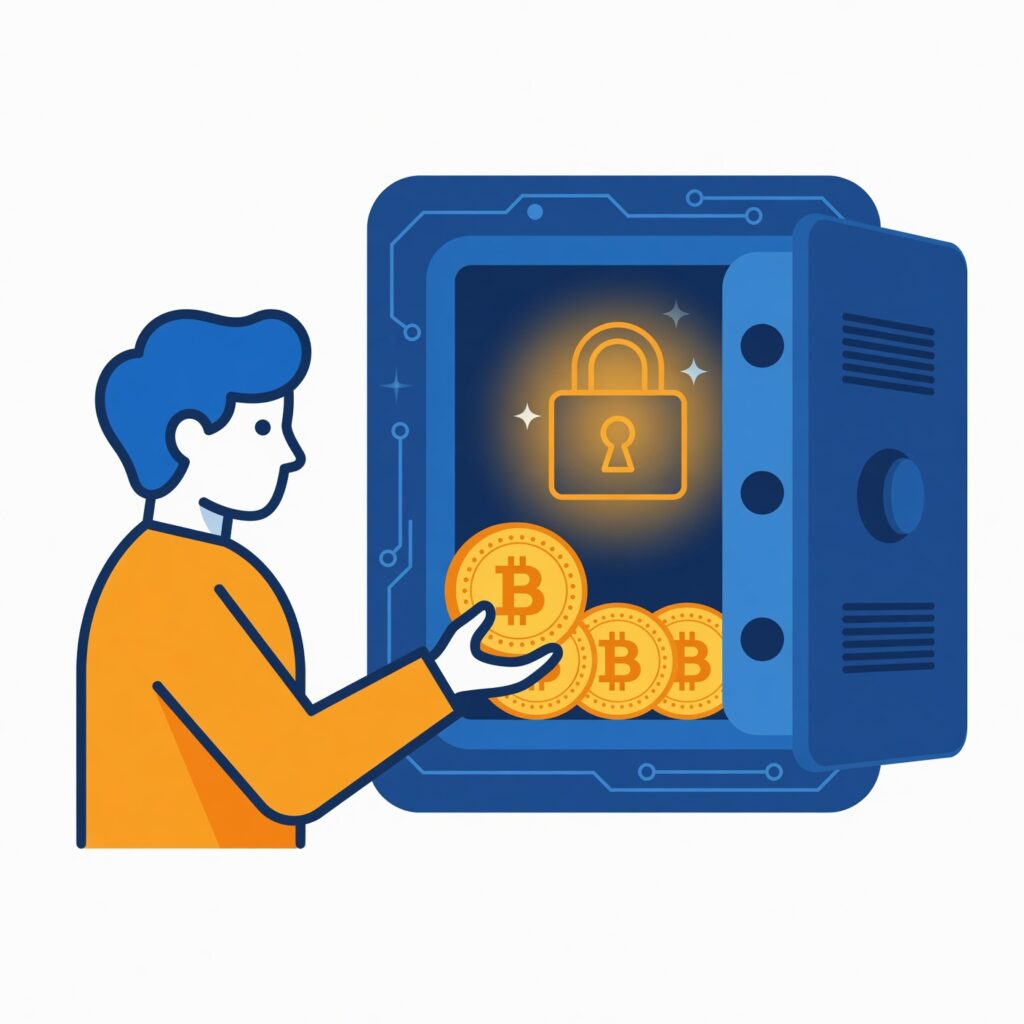
To secure Bitcoin effectively, you must first understand how ownership works on a blockchain. Many beginners mistakenly believe that their Bitcoin is stored inside a digital wallet. In reality, the coins never leave the decentralized public ledger known as the blockchain. What your wallet actually stores are your cryptographic keys.
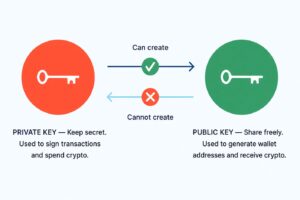
Public Keys Versus Private Keys
Every Bitcoin wallet relies on a pair of cryptographic keys:
- Public Key (The Address): This functions similarly to your bank account number or email address. You can safely share your public key with anyone who needs to send you Bitcoin.
- Private Key (The Signature): This functions like your digital signature or bank vault password. It grants absolute control over the funds associated with your public address. Anyone who discovers your private key can instantly steal your funds.
Because of this dynamic, the golden rule of cryptocurrency security is simple: Not your keys, not your coins. If a third-party platform holds your private keys, you do not truly own your Bitcoin; you merely hold an IOU from that platform.
Hot Wallets Versus Cold Storage: Choosing the Right Solution
Bitcoin storage methods are generally divided into two main categories: hot storage and cold storage. Selecting the correct method depends on how much Bitcoin you own and how frequently you plan to trade.
Hot Wallets: Convenience at a Cost
A hot wallet is any cryptocurrency wallet connected to the internet. This includes mobile applications, desktop software, and browser extensions.
- Advantages: Hot wallets offer incredible convenience, making it seamless to send, receive, or trade Bitcoin within seconds. They are ideal for day-to-day transactions and small amounts of capital.
- Disadvantages: Because they remain connected to the internet, hot wallets are vulnerable to online attack vectors, including malware, phishing campaigns, compromised servers, and remote hacking attempts.
Popular hot wallet categories include mobile applications designed for everyday use and browser-based interfaces designed for interacting with decentralized applications. While convenient, holding significant sums in a hot wallet exposes you to unnecessary risk.
Cold Storage: The Gold Standard of Security
A cold wallet, commonly referred to as cold storage, involves keeping your private keys entirely offline, completely isolated from the internet. This eliminates remote attack vectors entirely, making it virtually impossible for hackers to steal your funds over a network connection.
- Hardware Wallets: These are dedicated physical electronic devices engineered specifically to secure private keys. They allow you to sign transactions offline by connecting temporarily to a computer or phone via USB or Bluetooth, keeping the sensitive private key locked inside a secure element chip.
- Paper Wallets: This method involves printing your public and private keys onto a physical piece of paper. While effective at keeping keys offline, paper wallets are fragile, susceptible to physical damage, water, or fire, and require advanced technical knowledge to generate securely.
For anyone holding a substantial amount of capital, investing in a reputable hardware wallet is non-negotiable.
Step-by-Step Guide to Setting Up a Hardware Wallet
Implementing hardware-based security requires following precise steps during initialization to ensure maximum protection.
1. Purchase Directly from the Manufacturer
Never purchase a hardware wallet from a third-party reseller, online marketplace, or peer-to-peer auction site. Malicious actors have been known to intercept devices, pre-configure them, and resell them to steal user funds. Always order your device straight from the official manufacturer’s website.
2. Initialize the Device and Generate Your Seed Phrase
When you power on your new hardware wallet for the first time, the device will generate a master backup known as a seed phrase (usually consisting of 12 to 24 random English words).
- This seed phrase is the master key to every single address and coin derived from your device.
- The device will display these words sequentially on its secure screen.
3. Record the Seed Phrase Physically
Write down your seed phrase manually on a piece of paper or stamp it into a durable metal backup plate designed for fire and water resistance.
- Critical Warning: Never take a digital photograph of your seed phrase, never type it into a notes application on your phone, and never store it in cloud storage, email drafts, or password managers. Digital devices are vulnerable to spyware and malware.
4. Verify Your Backup
Most modern hardware wallets will prompt you to verify your seed phrase by selecting the words in the correct order. This confirms that you have recorded the backup accurately before transferring any funds to the device.
Advanced Security Practices for Long-Term Holdings
Once your hardware wallet is active, implementing advanced security measures ensures that your physical environment and operational habits cannot be exploited.
Implementing a Passphrase (The 25th Word)
Many advanced hardware wallets allow you to add a custom text passphrase to your standard seed phrase. This acts as an additional layer of security.
- Even if someone discovers your physical 24-word seed phrase, they cannot access the funds stored inside your hidden wallet without knowing your unique passphrase.
- This also provides protection against physical coercion, as you can maintain a small decoy balance on your standard wallet while keeping your primary wealth hidden behind the passphrase wallet.
Utilizing Multisignature (Multisig) Configurations
For institutional investors, high-net-worth individuals, or those managing generational wealth, standard single-signature setups may not be sufficient. A multisignature setup requires multiple independent private keys to authorize a single transaction.
For example, in a 2-of-3 multisig configuration, you generate three separate hardware wallets across different geographic locations. To spend any Bitcoin, you must digitally sign the transaction using at least two of those three devices.
- If one device is stolen, compromised, or lost, your funds remain entirely safe and accessible via the remaining keys.
- This eliminates single points of failure entirely.
Common Security Pitfalls and How to Avoid Them

Even with the best hardware, human error remains the leading cause of cryptocurrency loss. Staying vigilant against common attack vectors is essential.
Phishing Scams and Fake Applications
Scammers frequently purchase advertisements on search engines or deploy fake applications in mobile app stores that mimic legitimate wallet brands.
- Always double-check URLs before downloading software or visiting a cryptocurrency website.
- Bookmark official websites to avoid clicking malicious links.
- Legitimate wallet manufacturers will never ask you for your seed phrase via phone, email, live chat, or social media.
Social Engineering and Physical Security
Never discuss the specific amount of cryptocurrency you own with acquaintances, coworkers, or strangers online. Publicly boasting about your holdings makes you a target for targeted cyberattacks, extortion, or physical rubber-hose cryptanalysis (physical coercion).
Store your seed phrase backups in secure, discrete locations. Consider splitting your seed phrase across multiple secure physical locations using advanced cryptographic splitting techniques if necessary, ensuring no single location holds enough information to reconstruct your wallet.
Conclusion
Securing your Bitcoin is an ongoing process that requires discipline, education, and attention to detail. By transitioning your assets away from centralized exchange platforms and into a verified hardware-based cold storage solution, you reclaim total sovereignty over your financial future.
Take the time to properly back up your seed phrases, embrace advanced security measures like passphrases or multisig configurations where appropriate, and maintain strict operational security habits. In the world of decentralized finance, taking your security into your own hands is the ultimate foundation for long-term financial freedom.