Step-by-Step Guide: How to Start Investing in Cryptocurrencies

Entering the world of digital assets can feel overwhelming. With thousands of tokens, complex technical terminology, and constant market fluctuations, knowing where and how to begin is the biggest hurdle for new participants. However, building a foundational strategy doesn’t require a degree in computer science or finance.
This comprehensive guide walks you through every essential phase required to transition from a complete beginner to a confident market participant, ensuring your approach is structured, secure, and sustainable for the long term.
Understanding the Fundamentals of Digital Assets
Before committing any capital, it is crucial to understand what digital currencies are and how they function within the modern financial ecosystem. Unlike traditional fiat currencies issued by central governments, decentralized currencies rely on cryptography and distributed ledger technology, most notably blockchain.
What is Blockchain Technology?
At its core, a blockchain is a decentralized, public digital ledger that securely records transactions across a network of computers. Because no single entity or central authority controls the network, it offers enhanced transparency, immutability, and resistance to censorship. Every transaction is grouped into a “block” and cryptographically chained to the previous one, making fraudulent alterations virtually impossible.
Distinguishing Coins from Tokens
While often used interchangeably, these terms have distinct definitions:
- Coins: Native assets of their own independent blockchains (e.g., Bitcoin, Ethereum). They are typically designed as a store of value or a medium of exchange.
- Tokens: Digital assets built on top of existing blockchains (e.g., decentralized finance governance tokens, utility tokens). They serve specific functions within decentralized applications.
Defining Your Investment Strategy and Financial Goals
Jumping into the markets without a clear plan often leads to emotional decision-making, panic selling, and avoidable financial losses. Establishing clear objectives and parameters before purchasing any assets is vital.
Assessing Your Risk Tolerance
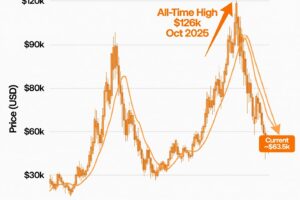
Digital assets are historically more volatile than traditional asset classes like equities or bonds. Sudden price swings of ten to twenty percent in a single day are not uncommon. Ask yourself critical questions:
- How would a temporary fifty percent portfolio drawdown impact your daily life and emotional well-being?
- Are you looking for short-term trading opportunities, or are you building a multi-year wealth accumulation portfolio?
Capital Allocation Best Practices
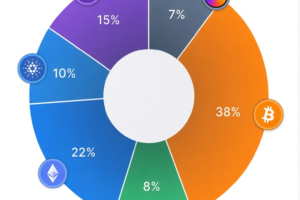
A golden rule in digital asset management is never to allocate capital that you cannot afford to lose. Furthermore, diversification across different asset types helps mitigate risk. Many seasoned participants advocate for building a core position in foundational, highly liquid market leaders before allocating a small percentage to higher-risk, speculative alternative assets.
Selecting a Reputable Digital Asset Exchange
To buy, sell, and store digital currencies, you need access to a specialized trading platform or exchange. Choosing the right platform requires evaluating several critical factors.
Key Criteria for Platform Evaluation
- Regulatory Compliance and Security: Look for platforms that implement robust security protocols, such as cold storage for the majority of user funds, two-factor authentication (2FA), and compliance with regional financial regulations.
- Fee Structure: Trading fees, deposit fees, and withdrawal costs can significantly eat into your returns over time. Compare maker-taker fee schedules across different platforms.
- Liquidity and Trading Pairs: High liquidity ensures that you can execute buy and sell orders quickly at fair market prices without experiencing excessive slippage.
- User Interface: Depending on your experience level, you may prefer a simplified purchase interface or an advanced trading terminal with professional charting tools and order types.
Account Verification and Identity Protocols
Most reputable platforms require a mandatory identity verification process, commonly known as KYC (Know Your Customer). This process typically involves submitting a government-issued photo ID and proof of address to comply with international anti-money laundering laws and protect users from fraudulent activities.
Funding Your Account and Executing Your First Purchase
Once your account is verified and secured, you can deposit funds and execute your initial transactions.
Methods of Fiat Deposit
Most platforms allow you to fund your account using several methods:
- Bank Transfers (ACH or Wire Transfers): Generally offer higher deposit limits and lower fees, though they may take a few business days to settle.
- Debit and Credit Cards: Allow for instant purchases, enabling you to capitalize on immediate market opportunities, but usually carry higher transaction fees.
Executing Market Versus Limit Orders
When you are ready to buy, understanding basic order types prevents costly execution mistakes:
- Market Orders: Execute immediately at the best available current market price. This is ideal when speed is your primary concern, but it exposes you to minor price variances during periods of high volatility.
- Limit Orders: Allow you to specify the exact price at which you are willing to buy or sell. The transaction will only execute if the market reaches your designated price point, giving you precise control over your entry and exit points.
Establishing Secure Storage and Custody Solutions
Securing your digital assets is arguably the most critical responsibility for any market participant. The old adage “not your keys, not your coins” highlights the importance of proper custody.
Understanding Custodial Versus Non-Custodial Wallets
- Custodial Storage: When your assets remain on the exchange where you bought them, the platform holds the private keys on your behalf. While convenient for active trading, it leaves you vulnerable if the platform suffers security breaches, technical failures, or insolvency.
- Non-Custodial Storage (Self-Custody): You retain absolute control over your private keys and recovery seed phrases. This eliminates counterparty risk but places the sole responsibility of security entirely on you.
Types of Digital Wallets
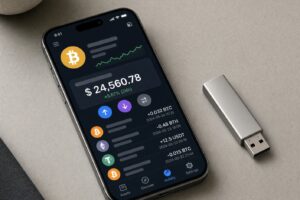
- Hardware Wallets (Cold Storage): Physical electronic devices that store your private keys offline, completely isolated from the internet. This is widely considered the gold standard of security for long-term holdings.
- Software Wallets (Hot Storage): Applications or browser extensions connected to the internet. They offer convenience for daily interactions with decentralized applications but carry a slightly higher risk profile due to potential online vulnerabilities.
Implementing Advanced Risk Management Techniques
Sustained success in digital asset markets relies less on picking winning assets and more on rigorous risk management and psychological discipline.
Dollar-Cost Averaging (DCA)
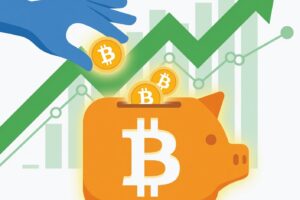
Trying to time the market perfectly is notoriously difficult, even for professional traders. Dollar-Cost Averaging involves investing a fixed amount of capital at regular, scheduled intervals (e.g., weekly or monthly), regardless of prevailing market conditions. This strategy smooths out purchase prices over time, reduces the psychological stress of volatility, and removes emotional bias from your routine.
Continuous Research and Due Diligence
The digital asset landscape evolves at an unprecedented pace. Maintaining an edge requires ongoing education regarding:
- Technological upgrades and protocol scaling solutions.
- Regulatory shifts and macroeconomic trends impacting global liquidity.
- Fundamental analysis metrics, including network activity, developer contributions, and tokenomics.
Navigating Psychological Pitfalls and Market Cycles
Emotions are often the greatest enemy of any market participant. Recognizing common behavioral traps helps you stay calm during turbulent periods.
Managing Fear and Greed
Market cycles fluctuate between extreme euphoria (greed) and severe pessimism (fear). When prices surge rapidly, retail FOMO (Fear Of Missing Out) often drives inexperienced buyers to purchase near cyclical peaks. Conversely, deep market corrections trigger panic selling at a loss. Establishing a disciplined strategy and adhering to your predetermined plan protects you from reacting impulsively to short-term market noise.
Tax Obligations and Record Keeping
As digital asset adoption matures, tax authorities worldwide have established clear guidelines regarding capital gains and income generated from digital currencies. Maintaining meticulous records of every transaction—including purchase dates, cost bases, exchange fees, and disposal values—simplifies tax reporting and ensures full compliance with local financial regulations.
Conclusion
Starting your journey in digital asset investing requires patience, continuous education, and a disciplined approach to risk management. By mastering the fundamentals, selecting secure platforms, prioritizing self-custody, and maintaining emotional control during market cycles, you establish a solid foundation for long-term participation. Remember that building wealth is a marathon, not a sprint; prioritize security and strategy over quick gains, and continue expanding your knowledge as the industry evolves.