Hot Wallet vs Cold Wallet: What Is the Difference?

When you first step into the world of cryptocurrency, one of the earliest and most critical lessons you will learn is that keeping your digital assets safe is entirely up to you. Unlike traditional banking, where a forgotten password can be reset with a quick phone call to customer service, the crypto universe operates on decentralization. There is no central authority, no manager, and no customer support hotline to rescue your funds if something goes wrong.
Because of this, understanding how cryptocurrency storage works is the single most important step you can take to protect your investments. At the heart of crypto security lies a fundamental debate: Hot Wallet vs. Cold Wallet.
Whether you are holding a small amount of Bitcoin, trading altcoins daily, or building a long-term retirement portfolio, knowing the difference between these two storage methods will save you from costly mistakes. This comprehensive guide will break down everything you need to know in simple, easy-to-understand terms, helping you choose the right storage strategy for your digital assets.
Understanding Crypto Wallets: What Are They Really?
Before comparing hot and cold wallets, we need to clear up a common misconception. When people hear the word “wallet,” they usually picture a leather billfold containing physical cash, credit cards, and driver’s licenses.
In the cryptocurrency world, a wallet does not actually store your coins. Cryptocurrency coins and tokens do not live on a physical device, nor do they sit inside an app on your phone. Instead, they live permanently on a public ledger called a blockchain.
So, what does a crypto wallet actually do? A crypto wallet stores your cryptographic keys—specifically, your public keys (which act like an email address or bank account number so people can send you funds) and your private keys (which act like your digital signature or password, allowing you to access and spend those funds).
- Public Key: Safe to share with others. It tells the blockchain where to send the cryptocurrency.
- Private Key: Must be kept strictly secret. Whoever holds the private key owns the cryptocurrency associated with it.
If someone gains access to your private key, they gain total control over your funds. This brings us back to our core question: how do you keep those private keys safe? The answer depends entirely on whether you choose a hot wallet or a cold wallet.
What Is a Hot Wallet? (Online Storage)
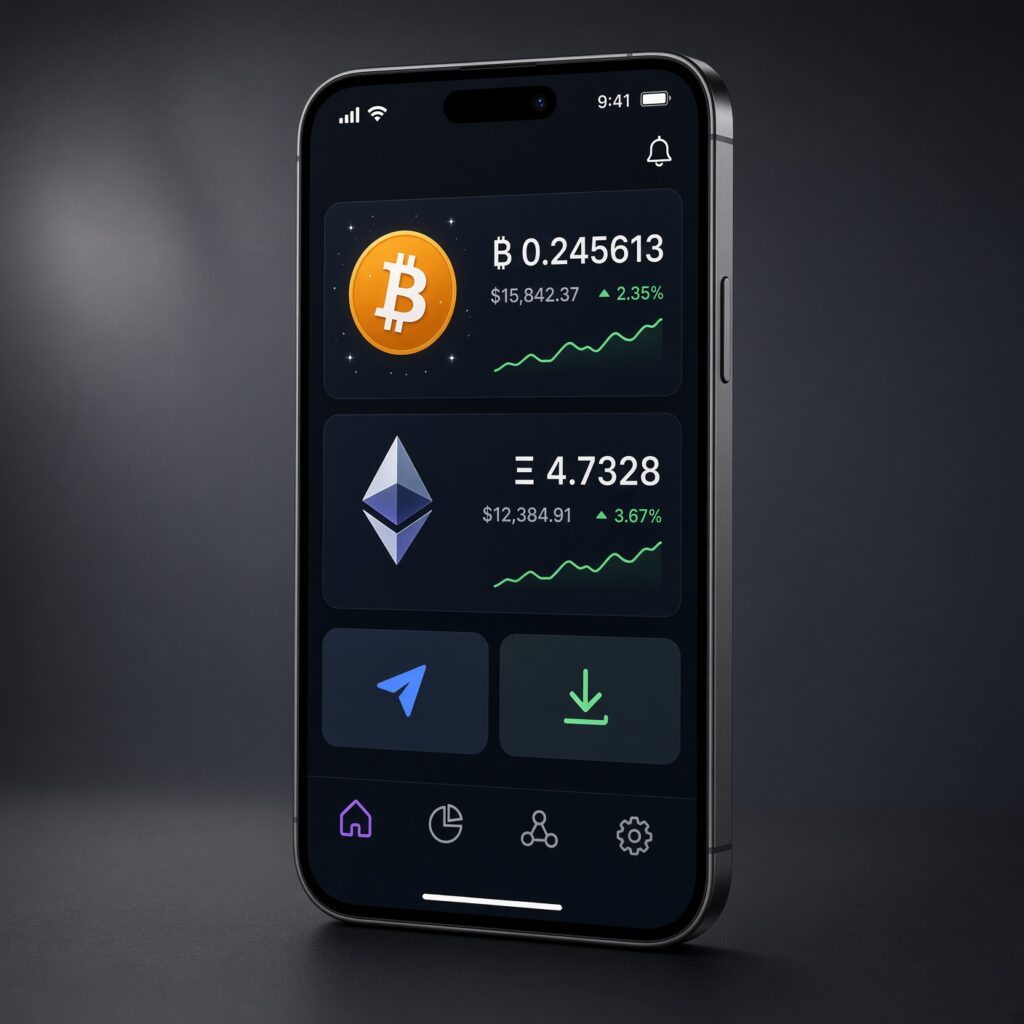
A hot wallet is a cryptocurrency wallet that is connected to the internet in some way. This connection can happen through a computer, a smartphone, or a web browser extension. Because they are connected to the web, hot wallets are designed for convenience, speed, and active interaction with decentralized applications (dApps), decentralized exchanges (DEXs), and everyday trading.
Common Types of Hot Wallets
To give you a clearer picture, hot wallets generally fall into three main categories:
- Desktop Wallets: Software applications that you download and install onto your personal computer (Windows, Mac, or Linux). They offer a good balance of control and accessibility, though your security depends heavily on how clean your computer is from malware.
- Mobile Wallets: Apps downloaded onto your smartphone (iOS or Android). These are arguably the most popular hot wallets because they allow you to manage your funds on the go, often incorporating QR code scanning for quick payments.
- Browser Extension Wallets: Plugins that integrate directly into web browsers like Google Chrome, Brave, or Firefox. These are essential for interacting with modern Web3 platforms, NFT marketplaces, and DeFi protocols.
Advantages of Hot Wallets
- Ultimate Convenience: Setting up a hot wallet usually takes less than a minute. You can download an app, write down your backup phrase, and start receiving or sending funds immediately.
- Ideal for Active Trading: If you buy, sell, or trade crypto frequently, hot wallets allow you to execute transactions instantly without needing to transfer funds back and forth from external devices.
- Accessibility to DeFi and NFTs: Most Web3 applications and decentralized platforms only integrate seamlessly with hot browser wallets, making them mandatory if you want to explore the broader crypto ecosystem.
- Cost-Effective: The vast majority of software hot wallets are completely free to download and use, requiring you to pay only the standard blockchain network transaction (gas) fees.
Disadvantages of Hot Wallets
- Vulnerability to Online Threats: Because hot wallets maintain a connection to the internet, they are inherently exposed to online vulnerabilities. If your device is compromised by malware, keyloggers, phishing scams, or hacking attempts, your funds could be stolen.
- Human Error Risks: Phishing websites that mimic popular wallet interfaces frequently trick users into typing their secret recovery phrases into fake portals, instantly draining their accounts.
What Is a Cold Wallet? (Offline Storage)
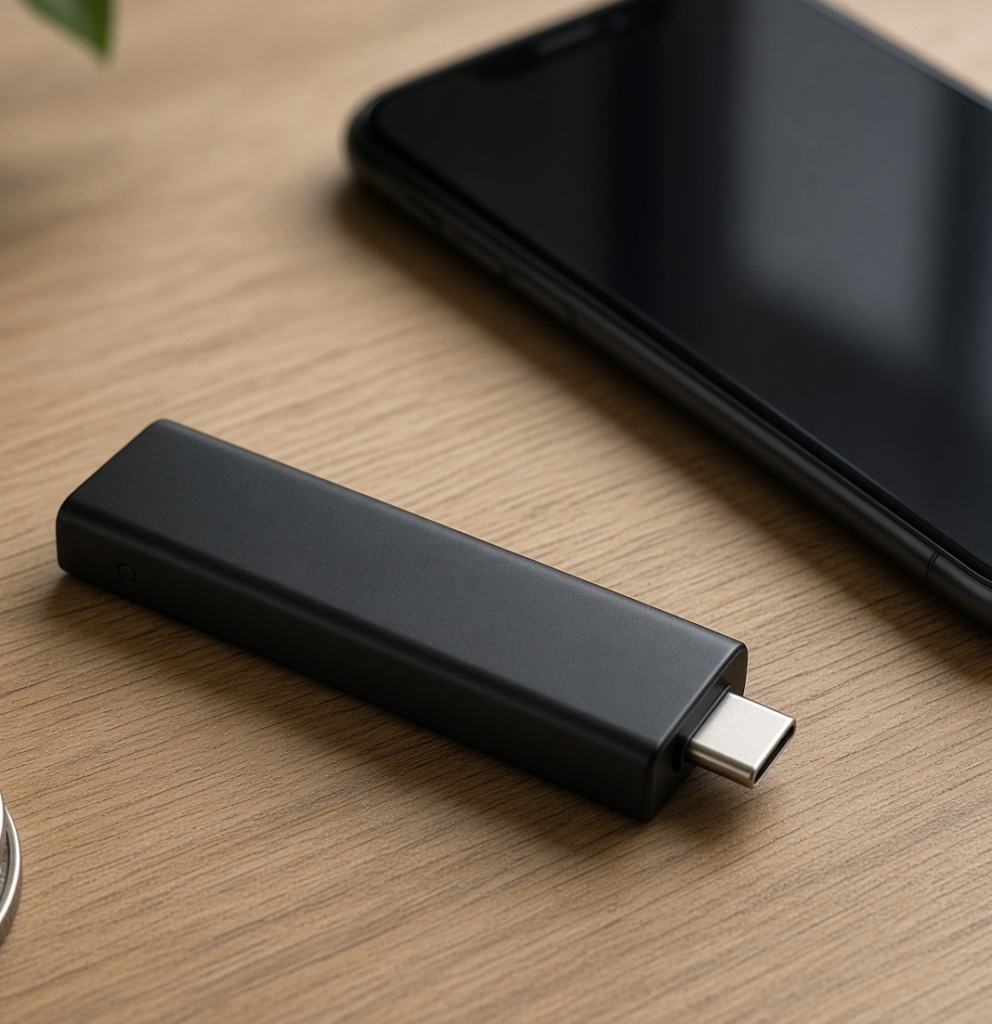
A cold wallet—often referred to as hardware storage or offline storage—is a cryptocurrency wallet that keeps your private keys completely isolated from the internet. By removing internet connectivity entirely, cold wallets eliminate the vast majority of remote hacking vectors, making them the gold standard for long-term security.
How Cold Wallets Work
A cold wallet is typically a physical electronic device (roughly the size of a USB flash drive) built with specialized, secure hardware chips. When you want to send cryptocurrency from a cold wallet, the device signs the transaction internally within its secure offline environment. It then passes only the signed cryptographic data to your computer or phone, meaning your private key never leaves the physical device and never touches an internet-connected network.
Common Types of Cold Wallets
- Hardware Wallets: Dedicated physical devices manufactured by reputable security companies (such as Ledger or Trezor). These require you to manually press physical buttons on the device to authorize any outgoing transaction.
- Paper Wallets: A completely analog method where your public and private keys are printed out or written down on a physical sheet of paper. While once popular, paper wallets are largely considered outdated and risky today because generating them securely requires technical precision, and damaging the paper means losing your funds forever.
Advantages of Cold Wallets
- Maximum Security Against Hackers: Even if your personal computer is infected with severe malware, a remote hacker cannot steal the funds stored inside a hardware cold wallet because the private keys never leave the offline device.
- Physical Confirmation Required: Most hardware wallets require you to physically look at a small screen on the device and press tactile buttons to confirm every single transaction. This prevents malicious software from silently draining your balance behind your back.
- Peace of Mind for Large Balances: If you are holding significant amounts of cryptocurrency that you do not plan to trade immediately, a cold wallet ensures that your investment remains safe from digital threats for years.
Disadvantages of Cold Wallets
- Upfront Financial Cost: Unlike free software hot wallets, high-quality hardware cold wallets cost money to purchase upfront, typically ranging from $60 to over $200 depending on the model and features.
- Less Convenience for Daily Trading: Moving funds out of a cold wallet requires having the physical device nearby, plugging it in, entering your PIN, and confirming transactions manually. This makes day trading cumbersome and slow.
- Risk of Physical Loss or Damage: If you lose your hardware device and fail to secure your backup recovery phrase properly, your funds will be permanently inaccessible.
Hot Wallet vs Cold Wallet: Key Differences Compared
To help you visualize how these two storage systems stack up against one another, let us examine their core characteristics side by side:
| Feature | Hot Wallet (Online) | Cold Wallet (Offline) |
| Internet Connection | Always connected to the web | Completely offline |
| Primary Use Case | Active trading, daily use, small amounts | Long-term holding, wealth storage, large amounts |
| Cost | Usually free to download and use | Requires purchasing a physical device |
| Security Level | Moderate (vulnerable to online hacks/phishing) | Extremely high (immune to remote online attacks) |
| Convenience | Instant access, fast transactions | Requires physical presence and setup steps |
| Recovery Method | 12-to-24-word seed phrase | 12-to-24-word seed phrase |
Security Best Practices: Keeping Your Crypto Safe Regardless of Wallet Type
Choosing between a hot wallet and a cold wallet is only half the battle. Regardless of which storage method you select, your security depends entirely on how you manage your access credentials. Follow these essential guidelines to protect your digital wealth:
1. Protect Your Recovery Seed Phrase
When you set up any reputable crypto wallet (hot or cold), the system will generate a seed phrase (usually a sequence of 12 to 24 random English words). This seed phrase is the ultimate master key to your funds; it can restore your wallet on any compatible device if your phone breaks or your hardware unit fails.
- Never store your seed phrase digitally: Do not take a screenshot, do not save it in a notes app, and do not email it to yourself. Cloud accounts can be hacked, and screenshots can be scraped by malicious software.
- Write it down physically: Write your seed phrase on a piece of paper or stamp it onto a durable metal backup plate. Store it in a secure, fireproof location, such as a home safe or a bank safety deposit box.
- Never share it with anyone: No legitimate support team, customer service agent, or platform developer will ever ask for your seed phrase. Anyone asking for your recovery words is attempting to steal your money.
2. Enable Two-Factor Authentication (2FA)
If you use hot wallets or crypto exchange accounts, always enable two-factor authentication. Avoid SMS-based 2FA if possible, as hackers can bypass phone numbers through SIM-swapping attacks. Instead, use authenticator apps like Google Authenticator or hardware security keys.
3. Double-Check Transaction Details
Before approving any transaction, carefully verify the destination wallet address and the amount being sent. Certain types of malware can alter clipboard data on your computer, swapping out destination addresses the moment you copy and paste them. Always double-check the first and last four characters of the recipient address before hitting send.
Which One Should You Choose? Finding Your Ideal Crypto Storage Strategy
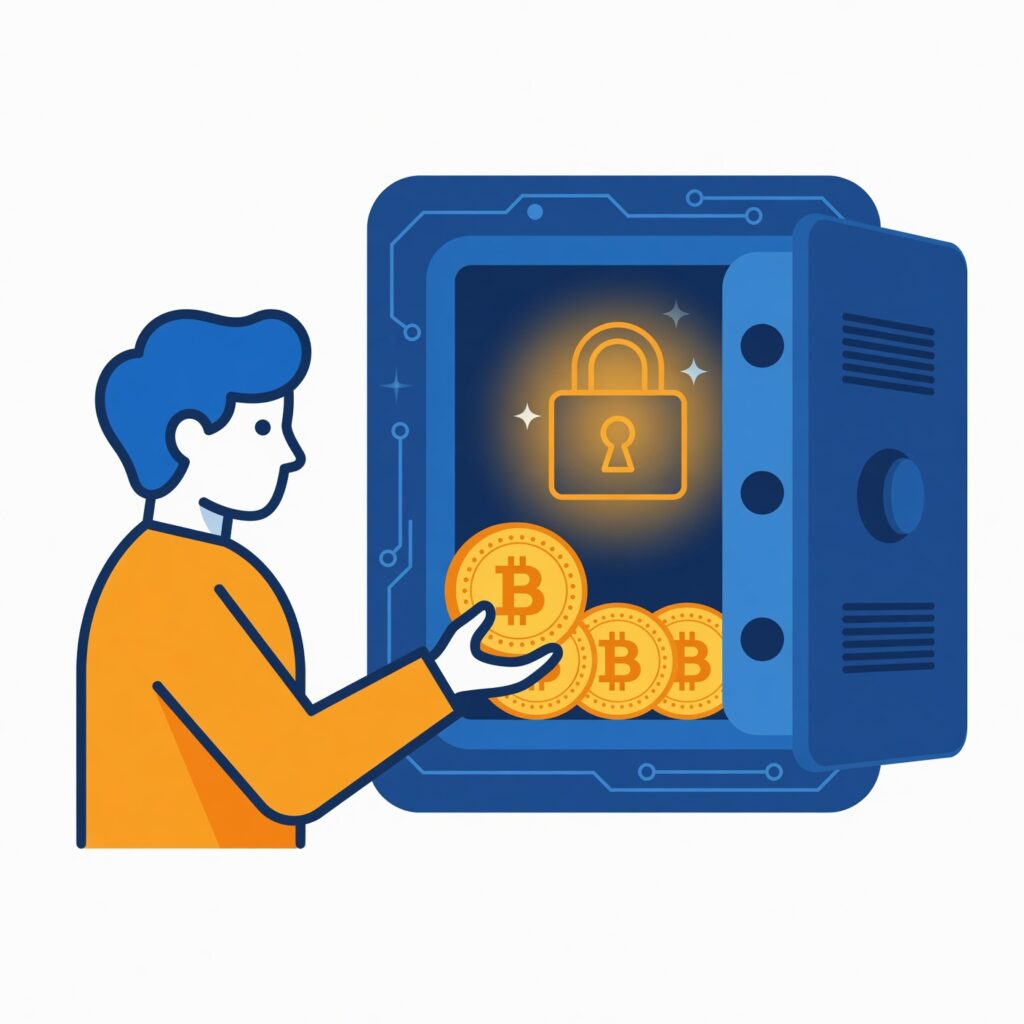
There is no universal “best” wallet for everyone. In fact, many experienced cryptocurrency participants do not choose just one—they use a hybrid approach that leverages the strengths of both systems.
Here is how you can determine the right balance for your personal needs:
- When to Use a Hot Wallet: Use a hot wallet if you are just starting out with small amounts of money, experimenting with decentralized finance applications, purchasing NFTs, or trading frequently on a weekly or daily basis. Keep only the funds in your hot wallet that you are actively willing to risk or use for immediate transactions.
- When to Use a Cold Wallet: Invest in a hardware cold wallet the moment your cryptocurrency portfolio grows to an amount that would hurt you financially if you lost it. As a general rule of thumb within the crypto community, if your holdings exceed a few hundred or a thousand dollars, transitioning to a cold wallet is a wise and prudent decision.
- The Hybrid Strategy: Many investors keep the bulk of their long-term holdings locked safely away in a cold hardware wallet while maintaining a separate hot wallet with a small balance for everyday Web3 interactions and quick trades. This gives you the best of both worlds: robust security for your core wealth and effortless convenience for your day-to-day activity.
Navigating the world of digital assets requires a shift in mindset regarding personal responsibility. Because you are your own bank, understanding the tools at your disposal is paramount.
Hot wallets offer unmatched speed, ease of use, and integration with the modern Web3 economy, but they remain vulnerable to online threats. Cold wallets offer impenetrable offline security for your private keys, keeping your long-term investments safe from hackers, though they require a small financial investment and offer slightly less convenience for daily trading.
By evaluating your portfolio size, your trading habits, and your personal risk tolerance, you can select the storage strategy that fits your goals. Take your time, prioritize security above all else, and always keep your recovery phrases private.