What Is a Secured Loan?

When you need to borrow money for a major purchase, consolidate debt, or fund an emergency expense, navigating the world of personal finance can feel overwhelming. One of the primary decisions you will face is choosing between a secured loan and an unsecured loan. Understanding how a secured loan works is vital for anyone looking to leverage their assets to secure better interest rates, higher borrowing limits, and more flexible repayment terms.
In this comprehensive guide, we will break down everything you need to know about secured loans, exploring how they work, the types of collateral accepted, the benefits and risks, how they compare to unsecured options, and the step-by-step process of applying for one.
Understanding the Basics of Secured Loans

At its core, a secured loan is a type of financing that requires the borrower to pledge a valuable asset as collateral. This collateral acts as a form of security or insurance for the lender. If you, the borrower, fail to make your scheduled payments or default on the loan agreement, the lender has the legal right to seize the collateral to recover the remaining balance.
Because the lender takes on significantly less risk—knowing they have an asset they can liquidate if things go wrong—secured loans generally come with distinct advantages over unsecured alternatives. These advantages often include:
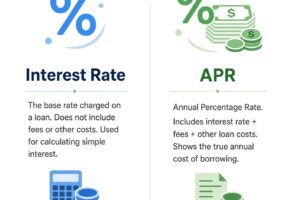
- Lower interest rates: Lenders reward the reduced risk by offering more competitive Annual Percentage Rates (APRs).
- Higher borrowing limits: You can often borrow larger sums of money because the loan amount is backed by the physical value of your asset.
- Extended repayment terms: Borrowers frequently enjoy longer periods to repay the debt, making monthly installments more manageable.
- Easier approval odds: Individuals with less-than-perfect credit scores may find it easier to qualify for financing when putting up valuable collateral.
How Secured Financing Works in Practice
The mechanics of a secured loan revolve entirely around the relationship between the loan amount and the value of the pledged asset. When you apply for this type of financing, the lender will evaluate both your financial profile (such as your income and credit history) and the specific asset you intend to use as collateral.
The Appraisal and Valuation Process
Before approving the loan, the lender must determine the market value of the collateral. This often involves a professional appraisal, a home inspection (in the case of real estate), or a standard valuation based on current market trends. The lender will rarely lend you 100% of the asset’s value. Instead, they operate on a metric known as the Loan-to-Value (LTV) ratio.
For example, if a lender has a maximum LTV ratio of 80% and you own a vehicle valued at $20,000, the maximum loan amount you could potentially receive is $16,000. Maintaining a healthy equity cushion protects the lender against depreciation and market fluctuations.
The Role of Liens and Legal Claims
Once the loan is approved and disbursed, the lender places a legal claim—often called a lien—on your property or asset. This lien remains active for the duration of the loan. It prevents you from selling, transferring, or refinancing the asset without the lender’s explicit consent or until the loan balance is completely paid off. Once you make your final payment, the lender releases the lien, and full ownership rights return exclusively to you.
Common Types of Collateral Used for Secured Borrowing
What you can use as collateral depends largely on the lender’s policies and the specific loan product. Different assets carry different levels of liquidity and market stability, which influences the terms of your borrowing agreement. Below are the most common types of collateral utilized in modern finance:
Real Estate and Home Equity
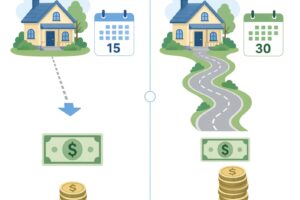
Your primary residence, investment property, or vacation home is one of the most powerful forms of collateral. Because real estate generally appreciates over time and holds substantial market value, property-backed financing allows for very large loan amounts and extended repayment schedules spanning 10, 15, or even 30 years.
Savings Accounts and Certificates of Deposit (CDs)
Some financial institutions offer secured loans backed by your own cash deposits. These are often referred to as share-secured loans or savings-secured loans. In this scenario, the funds remain in your savings account or CD, earning interest while acting as collateral. These products are exceptionally popular for individuals trying to build or repair their credit history, as approval is virtually guaranteed regardless of past credit mistakes.
Automobiles and Recreational Vehicles
Cars, trucks, motorcycles, boats, and RVs are frequently used to secure personal installment loans or title loans. While vehicles depreciate faster than real estate, they still represent significant monetary value. Lenders will inspect the make, model, year, mileage, and overall condition of the vehicle before finalizing the agreement.
Investment Portfolios and Securities
Wealth management firms and specialized lenders allow investors to borrow against the value of their stocks, bonds, mutual funds, or exchange-traded funds (ETFs). This is commonly known as securities-backed lending or portfolio lines of credit. It allows investors to access liquidity without triggering capital gains taxes by selling their investments.
Business Assets and Equipment
For entrepreneurs and business owners, commercial equipment, inventory, accounts receivable, and company-owned real estate can be pledged to secure working capital or expansion financing. This helps businesses maintain daily operations while leveraging their tangible business assets for growth.
Major Examples of Secured Loans You Should Know
Secured financing is not a single product; rather, it is a broad category encompassing various financial tools tailored to different needs. Familiarizing yourself with these specific loan types helps you choose the right instrument for your financial goals.
Home Equity Loans and HELOCs
A home equity loan provides a lump sum of money upfront, repaid in fixed monthly installments over a set period, using your home equity as collateral. A Home Equity Line of Credit (HELOC), on the other hand, functions more like a credit card. It gives you a revolving line of credit that you can draw from, repay, and draw from again as needed during a specified draw period.
Mortgages
When you purchase a house, the home itself serves as the collateral for the mortgage. If you stop making your mortgage payments, the lender initiates foreclosure proceedings to take possession of the property. Because mortgages are backed by real estate, they historically carry some of the lowest interest rates in the lending industry.
Secured Personal Loans
Traditional personal loans are typically unsecured, but many financial institutions offer secured versions. By offering a savings account, vehicle, or certificate of deposit as collateral, borrowers can access lower rates and higher limits than they would qualify for on an unsecured basis.
Auto Loans
Whenever you finance a car purchase through a dealership or bank, the car acts as the collateral. The lender holds the title until the loan is fully satisfied, giving them the legal authority to repossess the vehicle if payments lapse.
Secured vs. Unsecured Loans: Key Differences
To make an informed choice, it is essential to understand how secured loans stack up against their unsecured counterparts. While secured loans require collateral, unsecured loans rely entirely on your creditworthiness, income history, and financial reputation.
| Feature | Secured Loans | Unsecured Loans |
| Collateral Requirement | Mandatory (Property, savings, vehicles, etc.) | None required |
| Interest Rates | Generally lower due to reduced lender risk | Typically higher to offset default risk |
| Borrowing Limits | Higher limits based on asset valuation | Lower limits based strictly on income and credit score |
| Approval Difficulty | More accessible, even with average or poor credit | Stricter credit and income requirements |
| Risk to Borrower | Loss of collateral asset upon default | Damage to credit score, potential legal collection actions |
The Advantages of Choosing a Secured Loan
Opting for a secured loan can unlock several powerful financial benefits, making it an attractive option for strategic borrowers.
Access to Lower Interest Rates
The most compelling benefit is cost savings. Because the lender’s risk is minimized by the presence of collateral, they pass those savings on to you in the form of lower interest rates. Over the life of a multi-year loan, even a modest reduction in your APR can save you thousands of dollars in interest charges.
Credit Building and Repair Opportunities
If you have a checkered financial past or limited credit history, securing a loan with a savings account or asset gives you a controlled environment to demonstrate responsible repayment behavior. Every on-time monthly payment is reported to major credit bureaus, gradually boosting your credit score and opening doors to better financial products in the future.
Funding Large-Scale Projects
Whether you are renovating your home, consolidating high-interest credit card debt into a single manageable payment, or investing in business expansion, secured loans provide the substantial capital required for high-cost endeavors that unsecured loans simply cannot match.
Evaluating the Risks and Potential Drawbacks

While the benefits are significant, secured loans are not without risks. Responsible borrowing requires a clear-eyed assessment of the potential downsides.
The Threat of Asset Seizure
The most severe risk associated with any secured loan is the loss of your collateral. If unexpected financial hardship strikes—such as job loss, medical emergencies, or severe income reduction—and you can no longer afford your monthly payments, the lender has the legal right to repossess or foreclose on your asset. Losing a family home or a primary vehicle creates devastating personal and financial consequences.
Overleveraging Your Wealth
Borrowing against your assets can create a false sense of financial security. If you take out a massive loan backed by your home equity and use it for depreciating assets or frivolous expenses, you put your long-term financial stability at risk. It is crucial to ensure that the debt serves a productive, long-term financial purpose.
Upfront Fees and Closing Costs
Many secured loans—particularly those tied to real estate—come with mandatory upfront expenses. These can include appraisal fees, title searches, legal documentation fees, and application processing charges. Always factor these extra costs into your initial budget calculations.
Step-by-Step Guide to Applying for a Secured Loan
If you have weighed the pros and cons and decided that a secured loan aligns with your financial strategy, following a structured application process will maximize your chances of approval and secure the best terms possible.
Step 1: Assess Your Financial Situation and Needs
Begin by determining exactly how much money you need and what you plan to do with it. Review your monthly budget to confirm you can comfortably afford the monthly payment without stretching your finances to the breaking point. Check your credit score to understand where you stand in the eyes of lenders.
Step 2: Identify and Evaluate Your Available Collateral
Look at your assets to determine what you can safely pledge. Ensure the asset is free of other major liens or encumbrances. Research the current market value of the asset so you have a realistic expectation of how much a lender might be willing to extend.
Step 3: Shop Around and Compare Lenders
Never settle for the first offer you receive. Different banks, credit unions, and online lending platforms offer varying interest rates, fee structures, and LTV ratios. Compare multiple offers, paying close attention to the APR, repayment terms, prepayment penalties, and customer service reviews.
Step 4: Gather Necessary Documentation
Lenders require thorough documentation to verify your identity, income, and asset ownership. Be prepared to submit:
- Government-issued photo identification (such as a driver’s license or passport)
- Proof of income (recent pay stubs, tax returns, W-2s, or profit-and-loss statements)
- Asset ownership documentation (property deeds, vehicle titles, account statements)
- Proof of homeowners insurance or asset protection, if applicable
Step 5: Submit the Application and Await Appraisal
Complete the formal application with your chosen lender. They will order an appraisal or valuation of your collateral to confirm its market worth. Once the underwriting review is complete, the lender will issue a final loan offer detailing all terms and conditions.
Step 6: Review Terms and Sign the Agreement
Read the loan agreement carefully before signing. Pay special attention to clauses regarding late payment fees, grace periods, default conditions, and whether there are penalties for paying the loan off early. Once signed, the funds are disbursed to your account, and your repayment schedule begins.
Best Practices for Managing Your Secured Loan Successfully
Securing the loan is only the first phase of the journey. Proper management ensures you protect your asset and maintain a stellar financial reputation.
- Automate Your Payments: Set up automatic withdrawals from your checking account to ensure you never miss a payment due date. On-time payment history is the single most influential factor in building and maintaining a healthy credit score.
- Build an Emergency Fund: Protect your collateral by maintaining a separate cash reserve. Having three to six months of living expenses saved ensures that unexpected disruptions won’t immediately throw your loan repayment off track.
- Communicate with Your Lender Early: If you experience sudden financial distress, do not wait until you miss multiple payments. Reach out to your lender immediately. Many financial institutions offer hardship programs, payment deferrals, or restructuring options to help borrowers navigate temporary rough patches without losing their assets.

A secured loan is a powerful financial instrument that uses the value of your assets to unlock lower interest rates, higher borrowing limits, and greater financial flexibility. Whether you are leveraging home equity for a major renovation, utilizing a savings account to rebuild your credit history, or financing a reliable vehicle, understanding the mechanics of collateralized borrowing empowers you to make confident, strategic choices.
By carefully evaluating your needs, assessing your risks, shopping around for the most competitive terms, and committing to disciplined repayment habits, you can harness the benefits of a secured loan while protecting the valuable assets you have worked hard to build.