Can a Fake Online Store Steal Your Credit Card Information?

The convenience of online shopping has completely transformed how we acquire everything from daily essentials to luxury goods. With just a few taps on a smartphone or clicks on a computer, packages arrive at our doorsteps within days. However, this massive shift toward digital commerce has also opened the floodgates for cybercriminals. Every day, thousands of sleek, professional-looking e-commerce websites pop up across the internet, designed specifically to mimic legitimate retail brands.
If you have ever stumbled upon an unbelievable deal on social media for a trending product, you might have wondered: Can a fake online store steal your credit card information?
The short and alarming answer is yes. Fraudulent e-commerce sites—often referred to as “clone stores,” “phantom shops,” or “dropshipping scams”—are engineered for one primary purpose: harvesting financial data and personal information from unsuspecting shoppers.
In this comprehensive guide, we will break down exactly how these fraudulent operations work, the hidden dangers of shopping on unverified sites, the unmistakable red flags to look out for, and the exact steps you can take to protect your hard-earned money and sensitive financial data.
How Fake Online Stores Operate: The Anatomy of a Scam
Understanding how cybercriminals build and promote fake online stores is your first line of defense. Gone are the days when scam websites looked obviously fraudulent, featuring broken English, pixelated low-resolution images, and missing security certificates. Today’s digital thieves use sophisticated tools to launch convincing storefronts within hours.
The Social Media Ad Pipeline
Most victims do not stumble upon fake online stores by typing obscure web addresses into a browser. Instead, they encounter them via targeted advertisements on major social media platforms like Instagram, Facebook, TikTok, and Pinterest.
Scammers exploit automated ad approval systems by creating temporary, throwaway ad accounts. They steal promotional videos and product photos from legitimate creators or established brands, attach massive discounts (often 70% to 90% off), and flood feeds with enticing offers. When a user clicks the ad, they are redirected to a slick, high-converting e-commerce template built on popular platforms like Shopify or WooCommerce—platforms that are legitimate in themselves, but heavily abused by bad actors.
Lookalike Domains and Brand Impostership
Fraudsters frequently register domain names that closely resemble trusted retailers. They might use subtle misspellings (typosquatting), add hyphens, or use unconventional top-level domains (like .shop, .store, or .xyz instead of .com). To the casual observer scrolling quickly on a mobile device, the URL looks legitimate, lowering their natural skepticism before they enter their checkout details.
The Exact Moment Your Credit Card Information Is Stolen
Many consumers assume that if a website uses standard encryption (HTTPS, indicated by the padlock icon in the address bar), it must be safe. This is a dangerous misconception.
An SSL certificate only means that the data traveling between your browser and the website server is encrypted. It does not verify the identity or honesty of the website owner. Cybercriminals can easily obtain free SSL certificates for their fraudulent domains.
When you enter your credit card details into a fake online store, the theft happens in one of several ways:
- Direct Database Harvesting: The website is simply a data collection form. Your credit card number, expiration date, CVV code, and billing address are saved directly into a secure database controlled by cybercriminals, who can then use them to make unauthorized purchases or sell the data on dark web marketplaces.
- Malicious Payment Gateway Injection: Some fake stores integrate fraudulent or compromised third-party payment processors that siphon transaction data before routing the payment (or failing to route it) to any legitimate merchant.
- Cross-Site Scripting (XSS) and Skimmers: In more advanced setups, malicious JavaScript code embedded in the checkout page records your keystrokes in real time, capturing your financial data the exact moment you type it into the form fields.
Beyond Credit Cards: What Else Do Fake Online Stores Steal?
While credit card theft is the primary financial goal, fake online stores rarely stop at your payment details. When you complete a transaction or create an account on a fraudulent site, you hand over a treasure trove of Personally Identifiable Information (PII).
- Full Legal Name and Home Address: Used for identity theft, creating fraudulent utility accounts, or opening lines of credit in your name.
- Email Address and Phone Number: Sold to spam networks, putting you at immediate risk for targeted phishing attacks, SMS-based smishing scams, and relentless robocalls.
- Password Reuse Vulnerabilities: If you use the same password on a fake store that you use for your email, banking, or primary social media accounts, scammers can use automated “credential stuffing” bots to compromise your entire digital life.
Major Red Flags: How to Spot a Bogus E-Commerce Website Before Buying
Because scammers continuously refine their techniques, spotting a fake store requires a sharp eye. Before entering your payment information on any unfamiliar website, look for these critical warning signs:
1. Unrealistic Pricing and Too-Good-To-Be-True Discounts
If a brand-new designer jacket, high-end electronics gadget, or viral ergonomic chair is retailing everywhere else for $200, but a newly discovered website is selling it for $19.99 with free shipping, it is a scam. Scammers rely on human psychology—specifically the fear of missing out on a massive bargain—to override rational caution.
2. Suspicious Domain Age and Registration Details
You can use free online tools like WHOIS lookup databases to check when a domain was registered. If an e-commerce site claims to be an established, family-owned boutique with “over 10 years of trusted service,” but domain registration records show the website was created three weeks ago, you are looking at a fraud operation.
3. Vague, Copied, or Non-Existent Contact Information
Legitimate businesses want their customers to reach out. Fake stores typically hide behind generic web forms or use free webmail addresses (like Gmail, Yahoo, or Outlook) for customer support. If there is no physical address, no customer service phone number, or if the “About Us” page text is generic and copied verbatim from other websites, walk away.
4. Poorly Crafted Legal and Return Policies
Scroll down to the footer of the website and read the Terms of Service, Privacy Policy, and Refund Policy. Fraudulent sites often leave default template placeholders unfilled—such as leaving bracketed text like [Insert Company Name Here]—or feature policies riddled with spelling and grammatical errors.
5. Limited and Shady Payment Options
Legitimate retailers offer a wide variety of trusted payment methods, including major credit cards, PayPal, Apple Pay, and Google Pay. Fake stores often demand direct bank transfers, cryptocurrency, gift card payments, or obscure payment processors that do not offer consumer protection or chargeback mechanisms.
The Hidden Dangers of “Carding” and Unauthorized Charges
Once cybercriminals obtain your credit card information, they rarely max out your card immediately in a reckless shopping spree. Instead, they often engage in a process called carding.
- Micro-Transactions: Fraudsters may first test your stolen card by running very small charges (ranging from $0.50 to $5.00) through automated systems to verify if the card is active and the CVV is correct. These small charges often slip past casual banking review.
- Subscription Traps: Many fake stores disguise themselves as free trials or discount clubs, locking victims into recurring monthly subscription fees hidden deep within the fine print of the checkout terms.
- Data Reselling: Your financial profile may be bundled with hundreds of others and auctioned off on dark web forums, resulting in fraudulent transactions appearing weeks or months after your initial interaction with the fake store.
What to Do Immediately If You Bought from a Fake Online Store

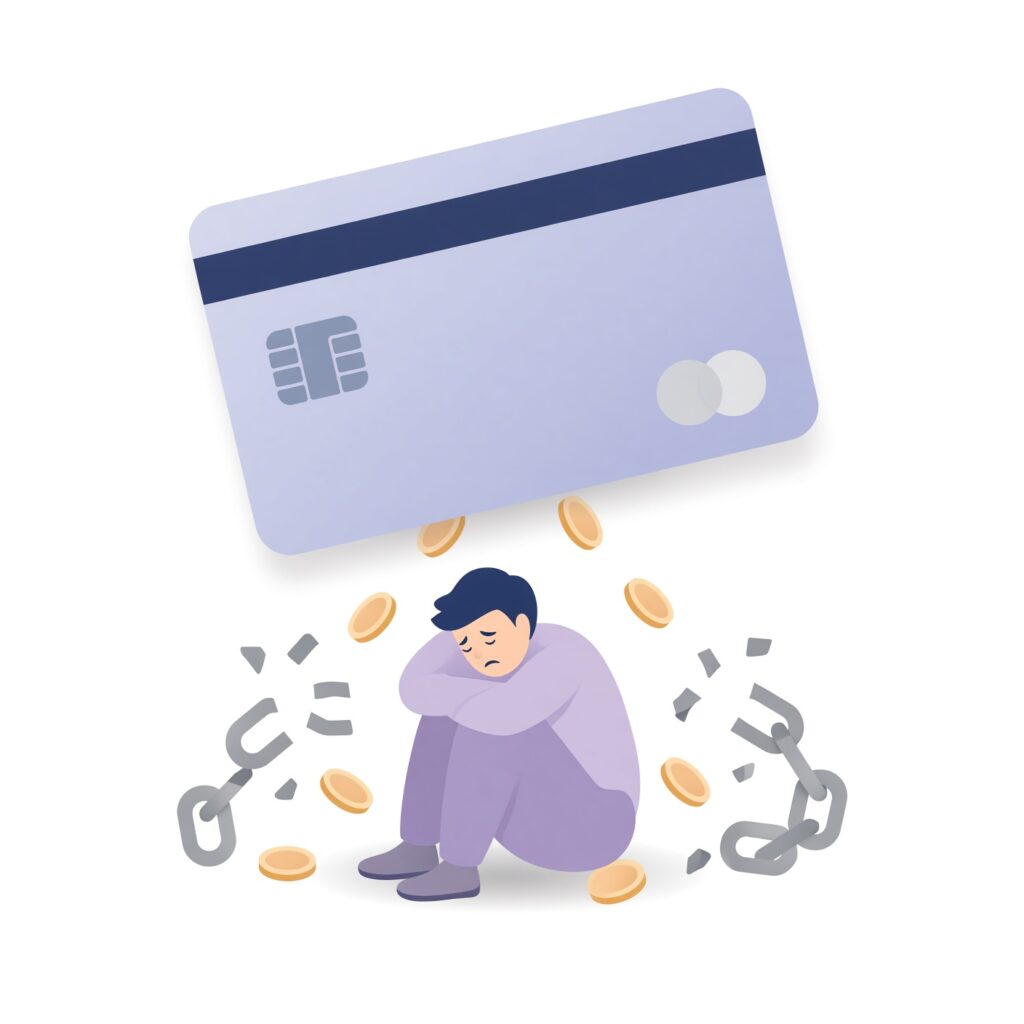
Realizing you have fallen victim to an e-commerce scam can trigger panic, but acting quickly can drastically limit the damage. If you suspect you have given your credit card information to a fake online store, take these steps immediately:
- Contact Your Bank or Credit Card Issuer: Call the customer service number on the back of your card right away. Report the transaction as fraudulent, request that your card be immediately frozen or cancelled, and ask for a replacement card to be issued.
- Monitor Your Statements Closely: Review your transaction history for the past several weeks. Look out for any unfamiliar pending charges or recurring subscription payments.
- File a Dispute or Chargeback: Under federal consumer protection laws in the United States (such as the Fair Credit Billing Act), credit card holders have robust rights to dispute unauthorized charges or goods not delivered.
- Report the Fraud: File a formal complaint with the Internet Crime Complaint Center (IC3) run by the FBI, or report the scam ad directly to the social media platform where you discovered it to protect other users.
- Secure Your Personal Accounts: If you created an account on the fraudulent site using a password you use elsewhere, change those passwords immediately, and ensure two-factor authentication (2FA) is enabled on your primary email and financial accounts.
Advanced Protective Measures: Virtual Credit Cards and Secure Payment Habits
Proactive digital hygiene is the most effective way to enjoy online shopping without constantly looking over your shoulder. By adopting a few advanced security practices, you can neutralize the risk of credit card theft entirely.
Utilize Virtual Credit Cards
Many major credit card issuers (such as Capital One, Citi, and American Express) and privacy-focused fintech services (like Privacy.com) allow users to generate virtual credit card numbers.
A virtual card masks your real financial credentials by generating a unique, temporary card number, expiration date, and CVV for a single specific merchant or transaction. If the online store turns out to be fake and experiences a data breach, the virtual card can simply be terminated instantly without ever exposing your primary bank account or physical credit card details.
Stick to Trusted Payment Protections
Whenever possible, check out using trusted third-party payment services like PayPal, Apple Pay, or Google Pay. These services act as a secure intermediary, transmitting payment to the merchant without ever revealing your actual credit card number or bank account details to the website operator. Furthermore, PayPal and major credit card networks offer robust buyer protection policies that simplify the refund and dispute process if merchandise never arrives.
Verify URLs and Security Badges
Always double-check the spelling of the domain name in your browser’s address bar before typing sensitive data. Be skeptical of trust badges (like “Verified Secure,” “100% Money Back Guarantee,” or McAfee/Norton security seals) displayed on checkout pages; scammers can easily right-click and save images of these badges to create a false sense of security.
Can a fake online store steal your credit card information? Absolutely. The sophisticated nature of modern digital fraud means that cybercriminals are constantly finding new ways to exploit trust, social media algorithms, and human psychology.
However, knowledge and caution are powerful deterrents. By slowing down before clicking “Buy Now,” watching out for unrealistic pricing and sketchy URLs, utilizing virtual credit cards, and keeping a close eye on your financial statements, you can navigate the e-commerce landscape with confidence and keep your financial identity safe from digital thieves.