How to Recognize Online Scams Before You Lose Money

Online scams have evolved far beyond the classic suspicious emails asking for urgent wire transfers. Today, cybercriminals use artificial intelligence, sophisticated psychological tactics, and exact visual replicas of reputable institutions to trick even the most tech-savvy individuals. Protecting your hard-earned financial resources requires a proactive mindset and an understanding of how modern digital fraud operates.
This comprehensive guide breaks down the underlying mechanics of modern digital fraud, highlights the psychological red flags you must never ignore, and provides actionable verification steps to keep your money safe.
Understanding the Psychology Behind Online Financial Scams

To avoid falling into a trap, it is essential to understand that online scams rarely rely on sophisticated hacking tools alone. Instead, they exploit human psychology through techniques known as social engineering. Attackers manipulate emotions to bypass critical thinking and force immediate action.
Scammers generally construct their tactics around three primary emotional triggers:
- Artificial Urgency: Messages stating that your account will be suspended within 24 hours, or that a mysterious fee must be paid immediately to prevent legal action.
- Fear of Loss or Consequences: Fake alerts claiming unauthorized purchases, bank account compromise, or imminent tax penalties.
- Exploitation of Greed or Desperation: Unrealistic investment opportunities promising guaranteed high returns with zero risk, or fake job offers offering high pay for minimal effort.
When an email, message, or phone call provokes an intense emotional reaction, treat it as a potential threat. Pausing before acting is often your single best defense against online financial loss.
10 Common Red Flags That Reveal Online Scams Instantly
While fraudulent campaigns vary in complexity, almost all leave distinct traces. Recognizing these common indicators allows you to evaluate any digital communication quickly and accurately.
1. Mismatched or Suspicious Sender Addresses
Scammers often spoof display names to imitate legitimate brands, payment providers, or financial institutions. Always inspect the actual email header or email address behind the display name. If an official notification from your bank arrives from an address ending in a public domain like @gmail.com, @yahoo.com, or an obscure domain containing random letters, it is fraudulent.
2. Generic Greetings and Impersonal Language
Reputable companies with which you hold an account address you by your official name. Phishing communications frequently use vague salutations such as “Dear Valued Customer,” “Dear Account Holder,” or simply your email address. Generic greetings allow scammers to send bulk emails to millions of targets simultaneously.
3. Urgent Requests for Immediate Action
Legitimate organizations rarely demand immediate action under penalty of instant legal consequences or permanent account closure without prior formal communication. Be extremely cautious of any message insisting that you must click a link or wire money within a tight timeframe.
4. Unexpected Attachments or Web Links
Never download attached files or click embedded links in unsolicited messages. Malicious attachments often contain malware, spyware, or ransomware designed to compromise your system or log keystrokes. Suspicious links frequently point to spoofed websites designed to harvest your personal credentials.
5. Requests for Unconventional Payment Methods
Scammers routinely prefer non-reversible payment mechanisms because they offer complete anonymity and cannot be traced or refunded easily. Immediate red flags include requests for payment via:
- Gift cards (Apple, Amazon, Google Play, eBay)
- Cryptocurrency transfers (Bitcoin, Ethereum, stablecoins)
- Wire transfers through third-party services
- Peer-to-peer payment apps linked to unknown recipients
6. Unrealistic Promises and High Guaranteed Returns
If an offer promises guaranteed high yields with zero risk, it is almost certainly a fraudulent scheme. Genuine financial investments carry inherent risk, and no legal enterprise can guarantee standard, high-yield fixed returns consistently over time.
7. Poor Grammar, Spelling Errors, and Formatting Glitches
Professional organizations maintain strict standards for customer communication. Frequent grammatical errors, odd word choices, missing punctuation, or distorted graphics strongly indicate that a message originated from an external scam network.
8. Requests for Sensitive Personal Information
Financial institutions, government agencies, and major service providers will never ask you to verify your full password, PIN, Social Security number, or full credit card details over unverified email, chat, or SMS channels.
9. Overly Helpful Remote Technical Support
Unsolicited pop-up windows warning that your computer is infected with viruses—accompanied by a phone number to call—are classical tech support scams. Legitimate cybersecurity systems do not show phone numbers in browser alerts asking you to grant remote device access.
10. High-Pressure Tactics in Romance or Friendship Setup
Online relationship scams develop quickly over social media or dating apps. The scammer builds emotional trust over weeks or months before introducing a sudden financial emergency—such as travel fees, medical emergencies, or business investment troubles—requiring urgent financial help.
Detailed Breakdown of the Most Dangerous Types of Modern Scams
Online financial threats take many forms. Understanding the underlying framework of each modern threat vector helps you recognize suspicious patterns quickly.
Phishing, Smishing, and Vishing Attacks
Phishing remains the most prevalent entry point for digital financial theft. Variations include:
- Email Phishing: Fraudulent emails masquerading as banks, e-commerce platforms, or shipping companies urging password resets or delivery verification.
- Smishing (SMS Phishing): Text messages claiming a missed package delivery or compromised bank account containing short links designed to capture personal credentials.
- Vishing (Voice Phishing): Impersonation calls using artificial intelligence voice cloning or spoofed caller ID numbers pretending to represent law enforcement, anti-fraud departments, or tax agencies.
Fake E-Commerce Stores and Fraudulent Shopping Websites
Scammers frequently launch realistic online stores advertising high-end merchandise, luxury goods, or popular electronics at steep discounts. These fraudulent sites capture credit card details upon checkout without delivering any physical goods, or ship counterfeit items instead.
Investment and Cryptocurrency Fraud
Cryptocurrency scams leverage the complex nature of digital assets to misinform victims. Fraudulent operations typically feature fake trading platforms showing fraudulent account balances, fake celebrity endorsements, or romance-based investment traps (pig butchering) where victims are guided step-by-step into transferring funds to non-retrievable wallets.
Impersonation of Financial Institutions and Government Agencies
In these scenarios, fraudsters impersonate tax collection agencies, law enforcement officers, or utility providers. They claim that unpaid taxes, outstanding warrants, or delinquent utility bills require immediate payment to avoid physical arrest or service disconnection.
How to Verify Web Safety and Authenticity Step by Step
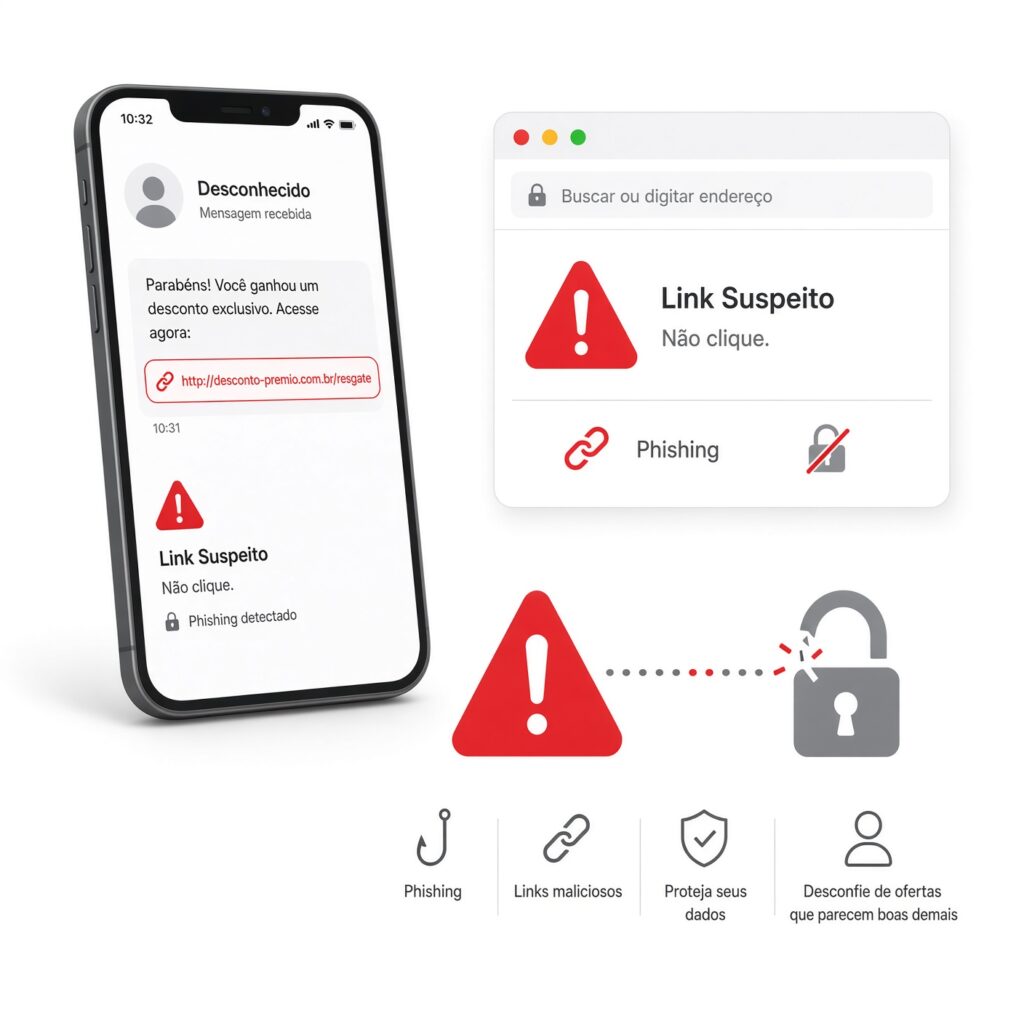
Before entering sensitive payment credentials or submitting personal information online, verify the platform using these straightforward security steps.
- Inspect the Full Website URL: Examine the address bar carefully. Look for subtle spelling alterations (typosquatting), such as using the letter “m” combined instead of “rn”, extra letters, or alternate top-level domain extensions (e.g.,
.coor.orginstead of.com). - Check for SSL Encryption: Ensure the URL begins with
https://rather than standardhttp://. While HTTPS alone does not guarantee a site’s legitimacy, its absence indicates an unencrypted connection that should never handle financial data. - Use Independent Search Methods: Never rely on links provided in unsolicited emails or text messages. Navigate to official service platforms independently by typing the verified URL directly into your web browser or using official mobile applications.
- Verify Business Contact Details: Legitimate web businesses provide verifiable contact information, including physical business addresses, valid customer service numbers, and official legal disclaimers.
- Research Customer Reviews Externally: Search for the website or company name alongside search terms like “scam,” “reviews,” or “complaints” on independent consumer safety portals and watchdog boards.
Essential Actions to Take Immediately If You Suspect Fraud
If you realize you have shared personal details, clicked a suspicious link, or transferred funds to a fraudulent source, immediate action can help mitigate damage and protect remaining assets.
Contact Your Financial Institutions Instantly
Notify your bank, credit card issuer, or financial service provider immediately. Request an emergency freeze on affected accounts, cancel compromised credit cards, and report fraudulent transactions. Prompt communication increases the likelihood of recovering unauthorized charges.
Update Compromised Credentials Across Accounts
Change passwords immediately on any compromised accounts. If you reused the compromised password across multiple services, change it across those platforms as well. Always create strong, complex, and unique passwords for every active account.
Enable Multi-Factor Authentication (MFA)
Activate multi-factor authentication (MFA) or two-factor authentication (2FA) across all digital services, particularly for email accounts, banking apps, and personal portals. Authentication apps or hardware security keys offer far greater security than SMS verification codes.
Scan Your Devices for Malware
If you downloaded files or clicked links from an unverified source, run a full system scan using up-to-date, reputable antivirus security software to remove potential spyware, keyloggers, or malicious software.
Report the Incident to Cybercrime Authorities
Document the details of the scam—including email headers, phone numbers, transaction IDs, and web URLs—and report the incident to appropriate consumer protection agencies and local law enforcement authorities to help prevent future attacks.
Best Practices to Keep Your Digital Financial Footprint Secure
Maintaining strong long-term online safety relies on building healthy, consistent security habits. Integrating standard protective measures into your digital routine minimizes vulnerabilities over time.
- Use a Password Manager: Generate and store complex, unique passwords for every service without needing to memorize them manually.
- Keep Operating Systems and Apps Updated: Install security updates and patches promptly for your operating system, web browsers, and mobile applications to guard against known security flaws.
- Limit Personal Details Shared on Social Media: Avoid sharing sensitive personal information publicly—such as home addresses, birth dates, or travel plans—that fraudsters could harvest for targeted phishing attempts.
- Monitor Financial Statements Regularly: Review account activity and bank statements weekly to detect unauthorized micro-transactions quickly.
- Use Secure, Trusted Networks: Avoid conducting sensitive financial transactions or accessing bank accounts over public, unencrypted Wi-Fi networks without a reputable Virtual Private Network (VPN).
By remaining vigilant, skepticism toward unexpected demands, and verifying communications through trusted independent channels, you can navigate the digital world securely and keep your personal financial resources protected.