
What Are the Largest Stock Exchanges in the World?

Global stock exchanges form the backbone of modern capitalism, serving as primary venues for companies to raise growth capital and enabling investors worldwide to acquire equity stakes in leading global enterprises. These institutional marketplaces facilitate trillions of dollars in daily trade volume, set equity valuations, and reflect the overall macroeconomic health of entire nations and industrial sectors.
Understanding the magnitude, structural composition, and operational mechanics of the major stock exchanges provides institutional and retail investors with valuable context for international diversification, asset allocation, and market analysis. Here is a comprehensive overview of the largest stock exchanges in the world measured by domestic market capitalization, liquidity parameters, and global institutional influence.
1. The New York Stock Exchange (NYSE)
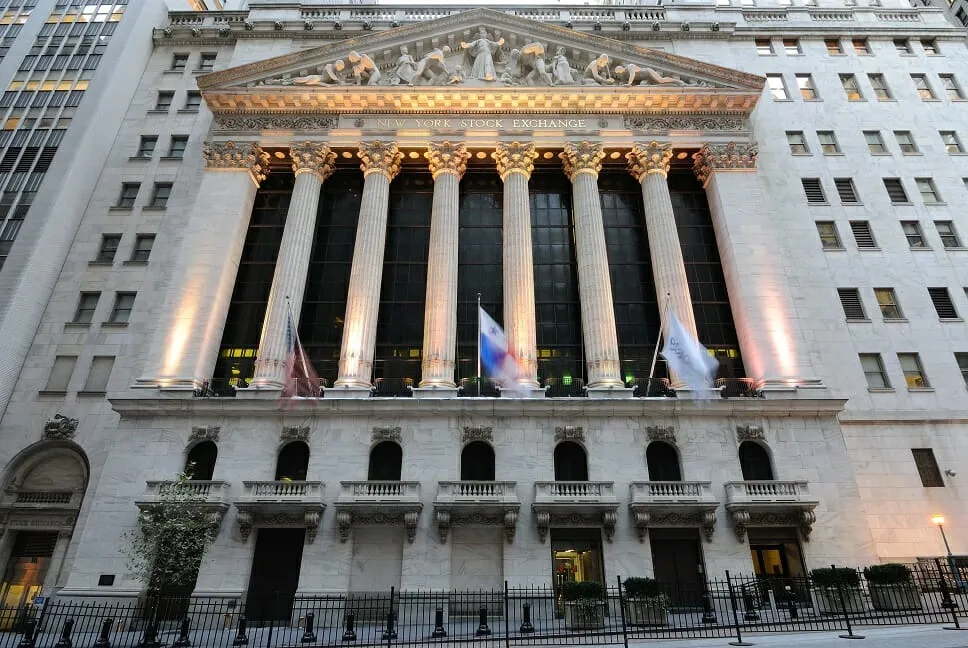
Situated at Wall Street in Lower Manhattan, the New York Stock Exchange remains the world’s leading equity market by total market capitalization. Established under the famous Buttonwood Agreement in 1792, the NYSE represents over two centuries of institutional growth and market maturation.
The exchange lists thousands of corporate issuers, including a substantial concentration of established global multinationals, industrial giants, mega-cap banking institutions, and legacy consumer corporations. While electronic trading dominates execution across modern markets, the NYSE maintains a hybrid model featuring designated market makers on its historic physical floor alongside fully automated routing systems. The listings on the NYSE comprise iconic global brands across healthcare, energy, defense, retail, and traditional financial services.
2. Nasdaq Stock Market
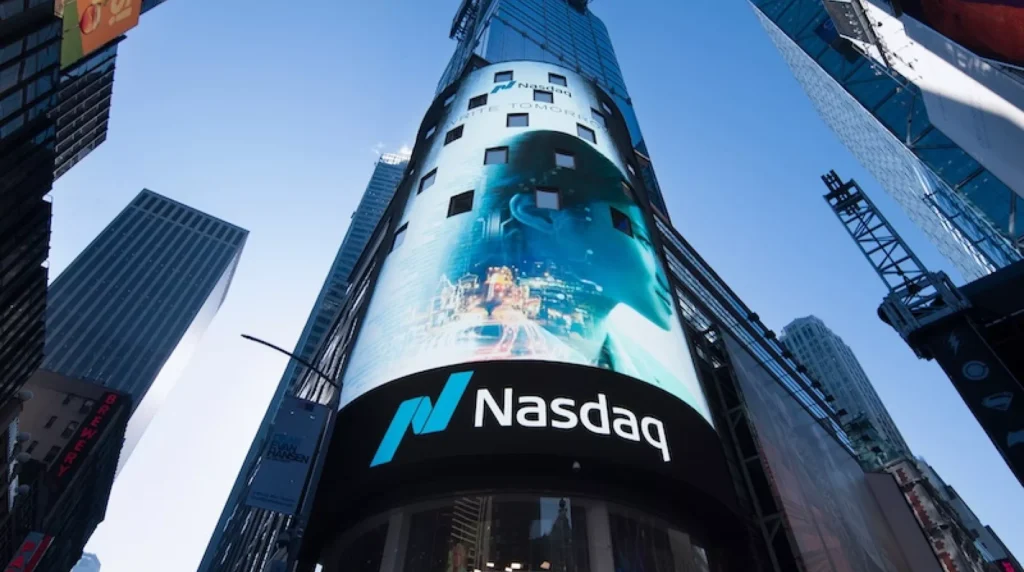
Also headquartered in New York City, Nasdaq (National Association of Securities Dealers Automated Quotations) operates as the primary listing venue for high-growth enterprises, technology companies, and global innovators. Launched in 1971 as the world’s first fully electronic stock market, Nasdaq modernized equity execution by eliminating physical floor trading in favor of computer-driven dealer networks.
Today, Nasdaq hosts major technology conglomerates, semiconductor manufacturers, software developers, and biotechnology innovators. The performance of its benchmark indices—the Nasdaq Composite and the Nasdaq-100—is widely monitored as a primary metric for tech-sector valuation, artificial intelligence development, and venture growth momentum.
3. Shanghai Stock Exchange (SSE)
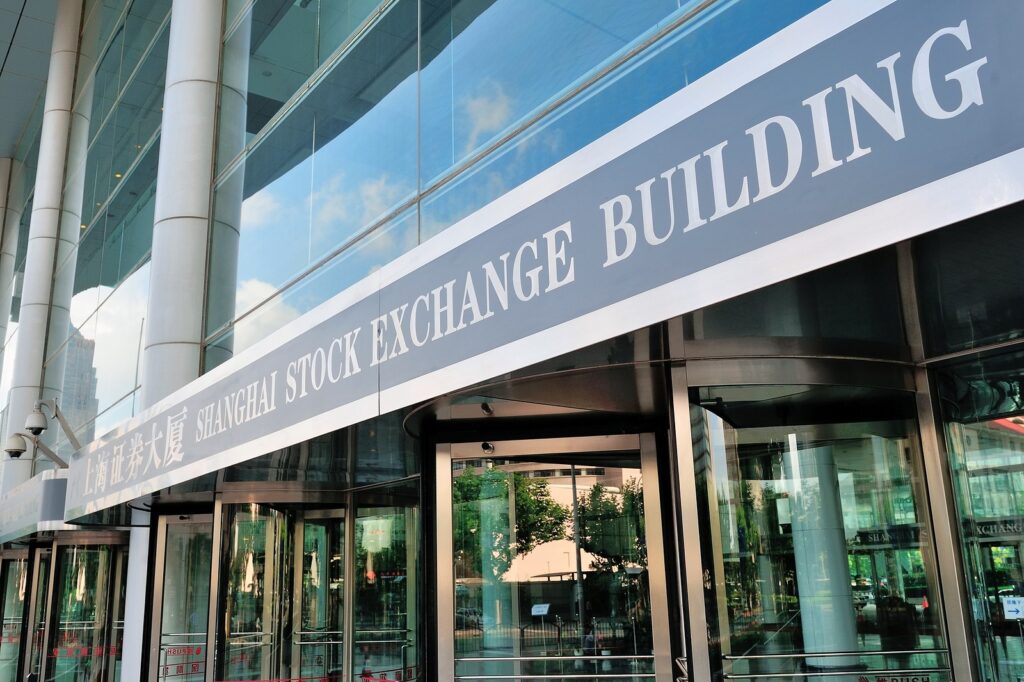
The Shanghai Stock Exchange serves as the largest equity market in mainland China. Re-established in 1990 during China’s period of market liberalization, the SSE has rapidly scaled to become the dominant exchange across the Asian continent by total listed capitalization.
The market structure of the Shanghai Stock Exchange is characterized by two main share classes: A-shares, which trade in local currency and cater primarily to domestic retail and institutional participants, and B-shares, denominated in foreign currency for international investors. The exchange lists major state-owned enterprises, infrastructure corporations, commercial banks, and energy producers. In addition, its STAR Market board acts as a specialized high-tech board designed to foster domestic technology and hardware innovation.
4. European Integrated Exchange (Euronext)
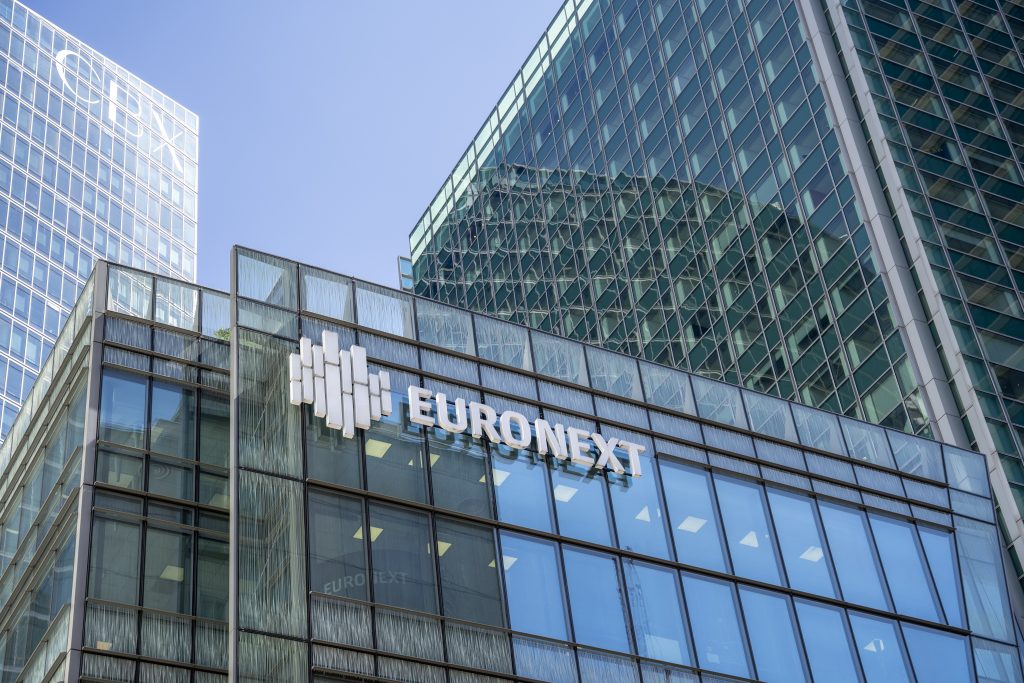
Euronext represents the foremost pan-European financial marketplace, operating unified listing and trading facilities across multiple major European financial centers, including Paris, Amsterdam, Brussels, Lisbon, Dublin, Milan, and Oslo. Formed initially through the consolidation of western European exchanges in 2000, Euronext provides seamless access to corporate equities across the Eurozone and Scandinavia.
Euronext lists leading European luxury goods conglomerates, international energy producers, automotive groups, chemical manufacturers, and commercial banking networks. By unifying trading infrastructure and clearing mechanisms across multiple sovereign jurisdictions, Euronext delivers centralized liquidity and efficient capital formation across the European continent.
5. Japan Exchange Group (JPX / Tokyo Stock Exchange)
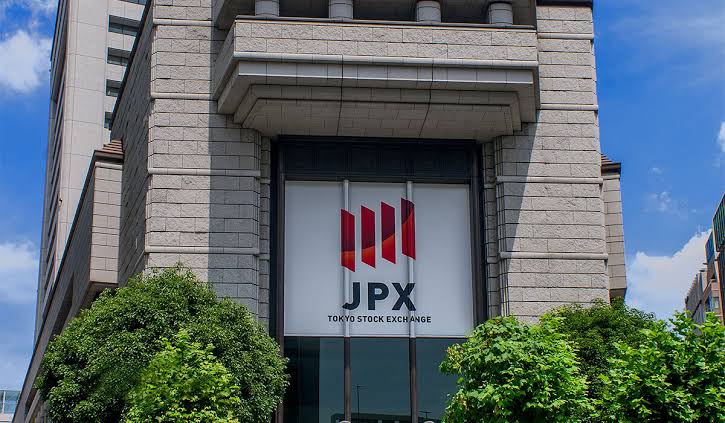
Operating as Japan’s principal securities venue, the Japan Exchange Group was formed through the merger of the Tokyo Stock Exchange (TSE) and the Osaka Exchange. The Tokyo market serves as a major gateway to Asian equity markets and represents the third-largest sovereign economy globally.
The exchange hosts listed businesses spanning automotive manufacturing, industrial automation, robotics, consumer electronics, and financial holdings. Through structural reforms in market segmentation—categorizing listings into Prime, Standard, and Growth markets—JPX continues to enhance corporate governance, capital efficiency, and international shareholder value across Japanese equities.
6. Shenzhen Stock Exchange (SZSE)
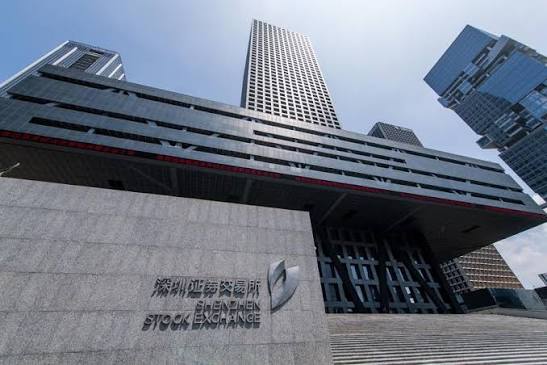
The Shenzhen Stock Exchange is China’s second major mainland equity market. Located in the technological hub of Guangdong province, SZSE focuses heavily on private enterprise, manufacturing innovation, technology startups, and clean energy development.
Unlike the Shanghai exchange, which contains a high concentration of traditional state-owned enterprises, Shenzhen is recognized for its dynamic listing base. Its ChiNext board—frequently referred to as Asia’s growth board—caters specifically to high-growth, innovative companies in advanced manufacturing, electric vehicle technology, and digital software.
7. Hong Kong Exchanges and Clearing (HKEX)
Hong Kong Exchanges and Clearing plays a crucial strategic role as an international financial gateway bridging Western capital markets with mainland Chinese corporate issuers. Operating in a major international financial center, HKEX provides deep liquidity, sophisticated derivative products, and robust capital raising channels.
Through the Stock Connect cross-border investment mechanisms linking Hong Kong with Shanghai and Shenzhen, international institutional investors can access mainland China equities, while qualified mainland investors can participate in Hong Kong-listed international stocks. The exchange hosts major Chinese technology platforms, property developers, consumer brands, and global banking organizations.
8. National Stock Exchange of India (NSE) & BSE India
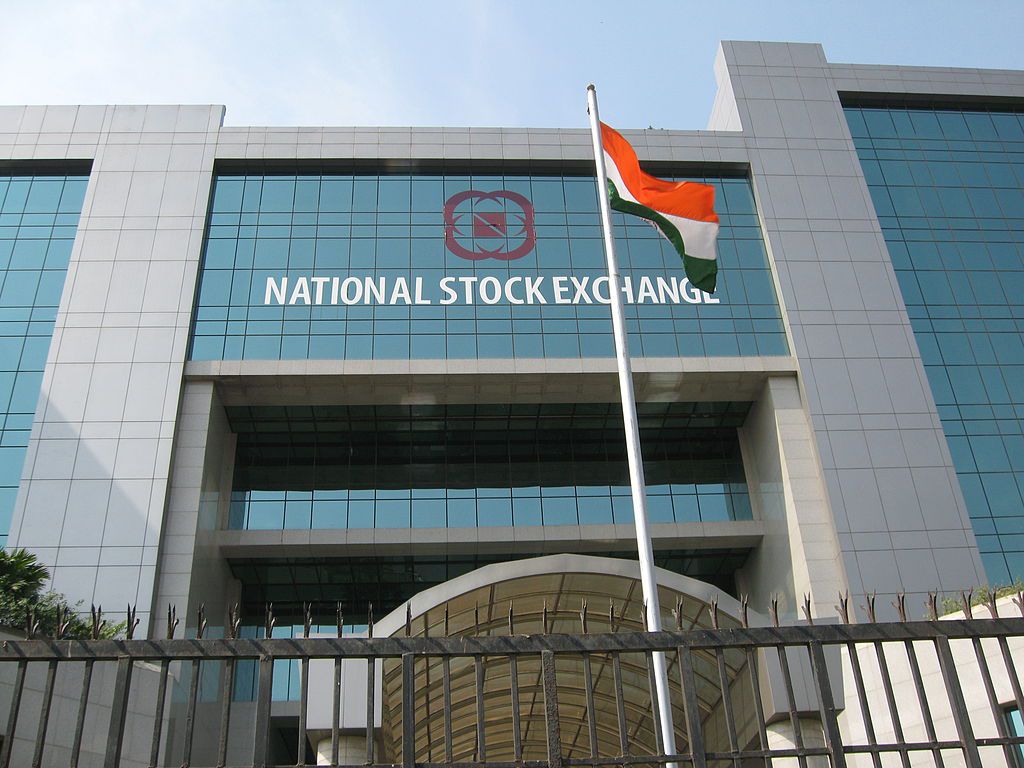
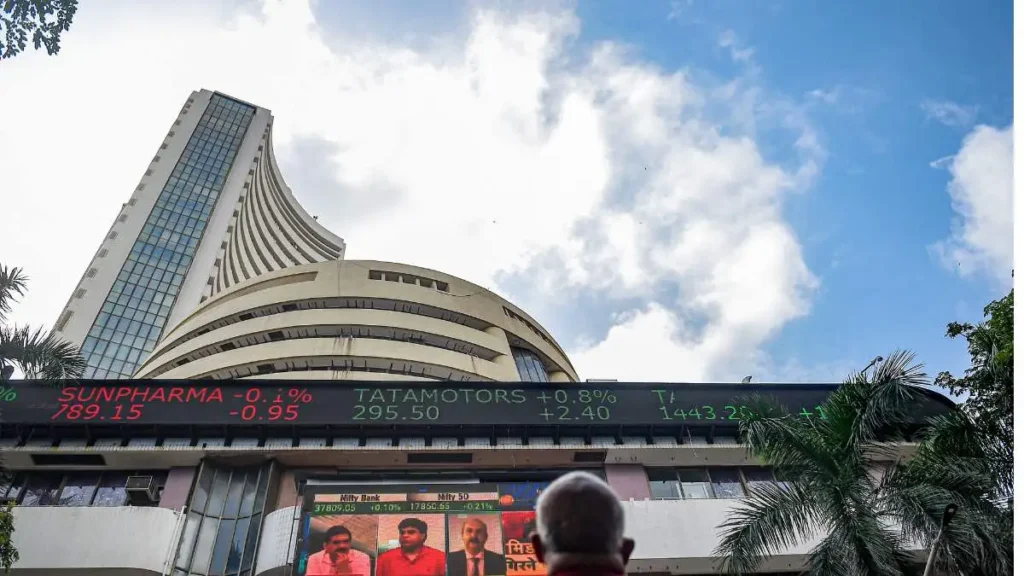
India’s capital markets have experienced structural expansion, driven by rapid demographic growth, domestic participation, and strong macroeconomic fundamentals. The Indian financial landscape is dominated by two primary institutions located in Mumbai: the National Stock Exchange of India (NSE) and the BSE (formerly Bombay Stock Exchange, established in 1875).
- National Stock Exchange (NSE): Founded in 1992, the NSE revolutionized Indian capital markets by introducing fully automated electronic screen-based trading. It is globally recognized for high transaction volumes in equity derivatives and tracks the benchmark NIFTY 50 index.
- BSE: As the oldest stock exchange in Asia, the BSE hosts thousands of listed issuers across diverse industrial, technological, consumer, and financial sectors, with its benchmark SENSEX index serving as a core barometer of domestic market movement.
Together, these exchanges facilitate institutional capital deployment across fast-growing domestic sectors including information technology services, banking, pharmaceutical manufacturing, automotive production, and green energy.
9. TMX Group (Toronto Stock Exchange)
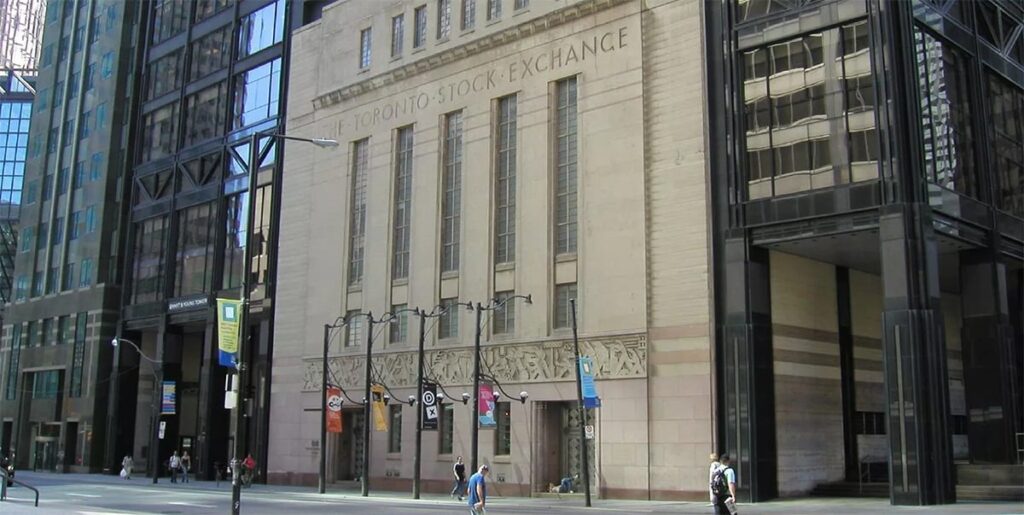
The Toronto Stock Exchange (TSX), managed by TMX Group, is Canada’s primary equity market. It is internationally recognized for its concentration of resource-based listings, including global mining entities, oil and gas producers, forestry enterprises, and renewable energy providers.
In addition to natural resources, the TSX features large financial institutions, major utility companies, and technology firms. Through its sister exchange, the TSX Venture Exchange (TSXV), the platform provides structured capital-raising tiers for early-stage venture companies, junior resource exploration, and early technology ventures.
10. London Stock Exchange Group (LSEG)
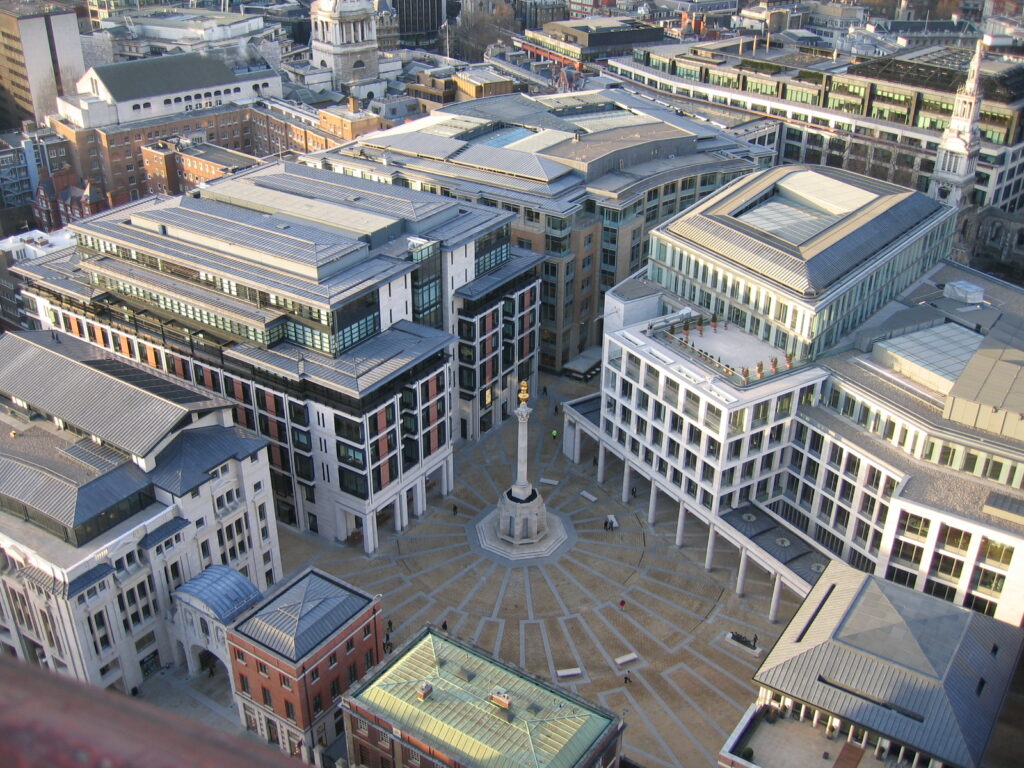
Founded in 1801, the London Stock Exchange (LSE) is one of the world’s most historic international capital centers. The LSE features high international exposure, hosting corporate issuers from dozens of countries across Europe, Asia, Africa, and the Americas.
The exchange operates two primary markets: the Main Market for large international corporations and established businesses, and AIM (Alternative Investment Market), designed for smaller, fast-growing growth companies. The LSE’s core index, the FTSE 100, includes multinational mining conglomerates, global banking entities, pharmaceutical developers, and consumer goods manufacturers.
Key Metrics for Evaluating Global Stock Exchanges
When analyzing and comparing international equity venues, market analysts and institutional asset managers rely on several quantitative and qualitative indicators:
Domestic Market Capitalization
Market capitalization represents the aggregate dollar value of all listed outstanding shares of domestic companies on an exchange. It is calculated by multiplying total issued shares by current share prices. Aggregate market cap reflects the total equity valuation governed by a specific exchange jurisdiction.
Trading Volume and Market Liquidity
Liquidity measures the efficiency with which securities can be bought or sold without causing significant price distortion. Higher trading volume and tight bid-ask spreads indicate active institutional participation, reduced execution friction, and efficient price discovery.
Listing Standards and Regulatory Frameworks
Exchanges differ based on reporting disclosure standards, accounting requirements, corporate governance rules, and listing qualifications. Tier-one exchanges impose stringent audit standards, quarterly financial reporting, and transparency mandates to protect investor equity.
Cross-Border Capital Access and Foreign Listing Ratio
An exchange’s global weight depends partly on its ability to attract foreign listings and international capital. Venues offering depository receipt structures, dual-listing frameworks, and accessible cross-border settlement systems consistently attract higher international institutional inflows.
Market Dynamics: Electronic Execution, High-Frequency Trading, and Global Settlement
The operational structure of global stock exchanges has undergone significant transformation over recent decades. The shift from floor-based open outcry pits to fully automated electronic communication networks (ECNs) has dramatically increased trade execution speeds and lowered transaction costs.
Modern stock exchanges operate complex technological architectures capable of processing millions of order messages per second with microsecond latency. Co-location services, direct market access (DMA), algorithmic trading, and dark pools of liquidity have become standard components of modern equity market infrastructure.
Furthermore, clearing and settlement mechanisms have accelerated. The transition toward shorter settlement cycles (such as T+1 settlement) reduces counterparty credit risk, frees up clearing capital, and enhances financial system stability across major international trading venues.
Strategic Role of Stock Exchanges in Global Wealth Accumulation and Corporate Growth
Stock exchanges fulfill crucial functions within the broader global macroeconomic architecture:
- Efficient Capital Allocation: They connect capital-seeking businesses with institutional pension funds, endowment funds, sovereign wealth funds, and private investors.
- Price Discovery and Valuation: Real-time auction pricing determines fair market valuations based on corporate earnings, broader economic data, interest rate movements, and sector trends.
- Corporate Liquidity and Exit Options: Exchanges allow early venture investors, founders, and private equity holders to realize returns through initial public offerings (IPOs) while offering ongoing secondary market liquidity.
- Systemic Risk Dispersion: Broadly distributed public equity ownership disperses corporate credit and operational risk across millions of global market participants rather than concentrating it within banking systems.
Understanding these international venues provides a foundational perspective for analyzing global market trends, economic shifts, and cross-border investment flows.