Bitcoin as an Investment: Risks, Benefits, and Considerations

Navigating the world of digital assets can feel overwhelming for both seasoned investors and everyday savers looking to build long-term wealth. Among thousands of cryptocurrencies, Bitcoin remains the flagship digital asset, often capturing headlines for its rapid growth, dramatic price fluctuations, and increasing mainstream adoption.
Whether you are seeking to protect your purchasing power against inflation, diversify a standard investment portfolio, or simply understand how digital money works, evaluating Bitcoin as a long-term investment requires a clear, balanced perspective. This comprehensive guide covers how Bitcoin functions, its core benefits, the primary risks involved, and actionable strategies for adding it to your personal financial plan responsibly.
1. What Is Bitcoin and How Does It Work as an Asset Class?
To evaluate Bitcoin as an investment, it helps to first understand its foundational design. Launched in 2009 by an anonymous entity known as Satoshi Nakamoto, Bitcoin is a decentralized digital currency operating on a peer-to-peer network known as the blockchain.
Unlike traditional fiat currencies—such as the US Dollar, Euro, or Yen—Bitcoin is not controlled, printed, or managed by any central bank or government authority. Instead, thousands of independent computers around the world maintain a single, tamper-proof record of every transaction ever made.
Monetary Scarcity and the 21 Million Limit
The defining feature of Bitcoin’s economic model is its fixed supply cap. The protocol dictates that only 21 million bitcoins will ever exist.
Total Bitcoin Supply: 21,000,000 Maximum Coins
               │
               ├── Circulating Supply: ~19.8+ Million (Mined to Date)
               └── Remaining Supply: Issued via Halving Events until ~2140
New bitcoins enter circulation through a process called “mining,” where network participants validate transactions. Every four years, an event called the “halving” reduces the creation rate of new coins by 50%. Because of this predictable schedule, Bitcoin is mathematically programmatic and strictly scarce, contrasting sharply with fiat currencies that can be expanded through monetary stimulus.
How Bitcoin Differs From Stocks and Bonds
When you buy a corporate stock, you own a fractional share of a business that generates revenue, earnings, and potentially pays dividends. When you buy a bond, you lend money to a corporation or government in exchange for regular interest payments.
Bitcoin does not produce physical goods, earnings, or interest yield. Its value relies on:
- Global adoption: Demand from individuals, institutions, and businesses using it as a store of value or medium of exchange.
- Network security: The computational strength securing the ledger against fraud or modification.
- Absolute scarcity: High demand competing for a strictly limited supply.
2. Key Benefits of Investing in Bitcoin
Investors add Bitcoin to their portfolios for several distinct structural and market advantages.
| Feature | Description | Benefit to Investors |
|---|---|---|
| Absolute Scarcity | Capped supply of 21 million units | Shields against fiat currency debasement |
| 24/7 Global Liquidity | Trades non-stop worldwide | Accessible anytime without market closing hours |
| Portfolio Diversification | Low historical correlation with traditional assets | Can improve risk-adjusted portfolio returns when rebalanced |
| Self-Sovereignty | Directly holdable via private keys | Operates independently of traditional banking hours |
Protection Against Long-Term Inflation
Inflation gradually reduces the purchasing power of cash saved in traditional bank accounts. As central banks print currency to manage national debt and economic cycles, the supply of fiat money grows. Because Bitcoin’s supply cannot be altered by central authorities, many market participants view it as “digital gold”—a long-term hedge against structural currency devaluation.
Unmatched Global Portability and Liquidity
Traditional financial markets operate on strict business hours and observe banking holidays. Bitcoin markets operate continuously—24 hours a day, 7 days a week, 365 days a year. You can transfer fractions of a bitcoin across international borders in minutes without relying on wire networks or intermediaries.
Institutional Accessibility via Spot ETFs
In recent years, institutional access to Bitcoin has matured significantly. Major global asset managers (such as BlackRock and Fidelity) offer spot Bitcoin Exchange-Traded Funds (ETFs). Investors can now gain direct exposure to Bitcoin’s price performance through retirement and brokerage accounts, bypassing the need to manage wallet software or technical security setups.
3. Major Risks and Drawbacks Every Investor Should Know
While the potential benefits of Bitcoin are clear, it remains an asset class that requires careful management. Understanding the core risks helps investors avoid critical mistakes.
               ┌──────────────────────────────────────────────┐
               │         PRIMARY BITCOIN RISKS                │
               └──────────────────────┬───────────────────────┘
                                      │
         ┌────────────────────────────┼────────────────────────────┐
         ▼                            ▼                            ▼
┌─────────────────┐          ┌─────────────────┐          ┌─────────────────┐
│ Price Volatility│          │ Custody Security│          │   Regulatory    │
│  & Drawdowns    │          │  & Private Keys │          │   Uncertainty   │
└─────────────────┘          └─────────────────┘          └─────────────────┘
High Price Volatility and Market Cycles
Bitcoin is known for dramatic price swings. Over its market history, it has experienced cyclical downturns where the price fell by 50% to over 75% from peak levels before recovering. Investors who panic or need liquid funds during these drawdowns risk realizing significant losses. Investing in Bitcoin requires a multi-year investment horizon and high risk tolerance.
Self-Custody and Security Demands
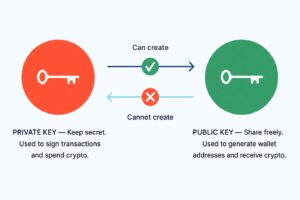
If you choose to hold physical Bitcoin in a private crypto wallet rather than through an ETF, you take on full operational responsibility for your assets. Losing your private key or recovery phrase means permanently losing access to your funds, with no bank support or customer service line to assist you. Additionally, online exchange platforms remain targets for phishing attacks and scams.
Evolving Regulatory Landscape
Governments worldwide continue to refine their regulatory frameworks surrounding digital currencies. Tax policies, anti-money laundering regulations, and restrictions on trading platforms vary by jurisdiction. Shifts in local financial policy can impact market access and overall market sentiment.
4. Key Considerations Before Adding Bitcoin to Your Portfolio
Before allocating capital toward digital assets, evaluate how Bitcoin aligns with your broader financial plan.
               ┌────────────────────────────────────────────────┐
               │    PREREQUISITES FOR INVESTING IN BITCOIN      │
               └───────────────────────┬────────────────────────┘
                                       │
     ┌─────────────────────────────────┼─────────────────────────────────┐
     ▼                                 ▼                                 ▼
┌──────────────────────────┐ ┌──────────────────────────┐ ┌──────────────────────────┐
│ Emergency Fund           │ │ Consumer Debt            │ │ Clear Time Horizon       │
│ 3–6 months of expenses   │ │ High-interest balances   │ │ 3–5+ years minimum       │
│ in cash reserves         │ │ paid off completely      │ │ holding commitment       │
└──────────────────────────┘ └──────────────────────────┘ └──────────────────────────┘
Establishing Your Core Financial Foundation
Bitcoin is a volatile asset, not a substitute for an emergency fund. Before making an initial allocation:
- Maintain a Cash Buffer: Set aside 3 to 6 months of liquid living expenses in a standard savings account.
- Pay Down High-Interest Debt: Clear credit card balances or high-interest personal loans first.
- Secure Basic Insurance: Ensure health, home, and income protection coverage are in place.
Sizing Your Position Appropriately
Because of Bitcoin’s strong historical growth paired with high volatility, institutional asset managers generally suggest a modest portfolio allocation.
Hypothetical Conservative Asset Allocation:
[ Stocks: 60% ]  [ Bonds: 35% ]  [ Bitcoin: 1% to 5% ]
- 1% to 3% Allocation: Offers meaningful market exposure while protecting the broader portfolio from severe drawdown impact.
- 3% to 5% Allocation: Suited for investors with higher risk tolerance and longer investment timelines.
- Over 5% Allocation: Increases total portfolio volatility and requires disciplined rebalancing strategies.
5. Practical Investment Strategies for Beginners

If you decide that Bitcoin fits your investment profile, choosing the right strategy helps remove emotion from market decisions.
Dollar-Cost Averaging (DCA)
Attempting to time market highs and lows is notoriously difficult. Dollar-Cost Averaging (DCA) involves buying a set fiat amount of Bitcoin at regular intervals (such as weekly or monthly), regardless of the current asset price.
Month 1: $100 allocated at $60,000 / BTC ──► Acquires 0.00166 BTC
Month 2: $100 allocated at $50,000 / BTC ──► Acquires 0.00200 BTC
Month 3: $100 allocated at $70,000 / BTC ──► Acquires 0.00142 BTC
─────────────────────────────────────────────────────────────────
Total Invested: $300 | Total Accumulated: 0.00508 BTC
Result: Smooths out average purchase cost over time
This approach helps insulate investors from market anxiety, avoids impulsive lump-sum purchases during market peaks, and builds a position systematically.
Storage Methods: Self-Custody vs. Regulated Platforms
How you store your digital assets depends on your technical experience and security preferences.
                     STORAGE OPTION COMPARISON

   Spot ETFs / Custodial Exchanges     │        Self-Custody Hardware Wallets
  ────────────────────────────────────┼────────────────────────────────────────
   • Easy setup via standard accounts │ • Total control of private keys
   • Professional security controls    │ • Protection against exchange failures
   • Subject to account management fees│ • Requires manual key backups
- Regulated Spot ETFs: Ideal for traditional investors who want price exposure within brokerage or retirement accounts without holding private keys directly.
- Centralized Exchanges: Convenient for trading, but funds are held by third-party platforms.
- Hardware Wallets (Cold Storage): Physical hardware devices (such as Ledger or Trezor) that store your private keys offline, completely isolated from internet vulnerabilities.
Building a Balanced Approach
Bitcoin offers a distinct combination of absolute scarcity, global access, and decentralization that continues to transform modern finance. However, its growth comes alongside price volatility, security demands, and shifting market conditions.
For most investors, the best path is a measured one: maintain a strong financial foundation, size positions modestly, use systematic accumulation strategies like Dollar-Cost Averaging, and select a custody method that matches your comfort level.