Is it still worth mining cryptocurrencies in 2026?

Cryptocurrency mining has evolved from a simple hobby that individuals could run on personal desktop computers into a highly sophisticated, capital-intensive industrial sector. As the blockchain landscape matures, participants frequently ask whether entering this space or maintaining current operations still makes financial sense.
Navigating the ecosystem requires a careful breakdown of modern hardware efficiency, continuous power expenses, network difficulty adjustments, and operational overhead. Understanding these variables helps determine whether deploying capital into mining hardware yields a better return than alternative market strategies.
Understanding the Evolution of Proof-of-Work Networks
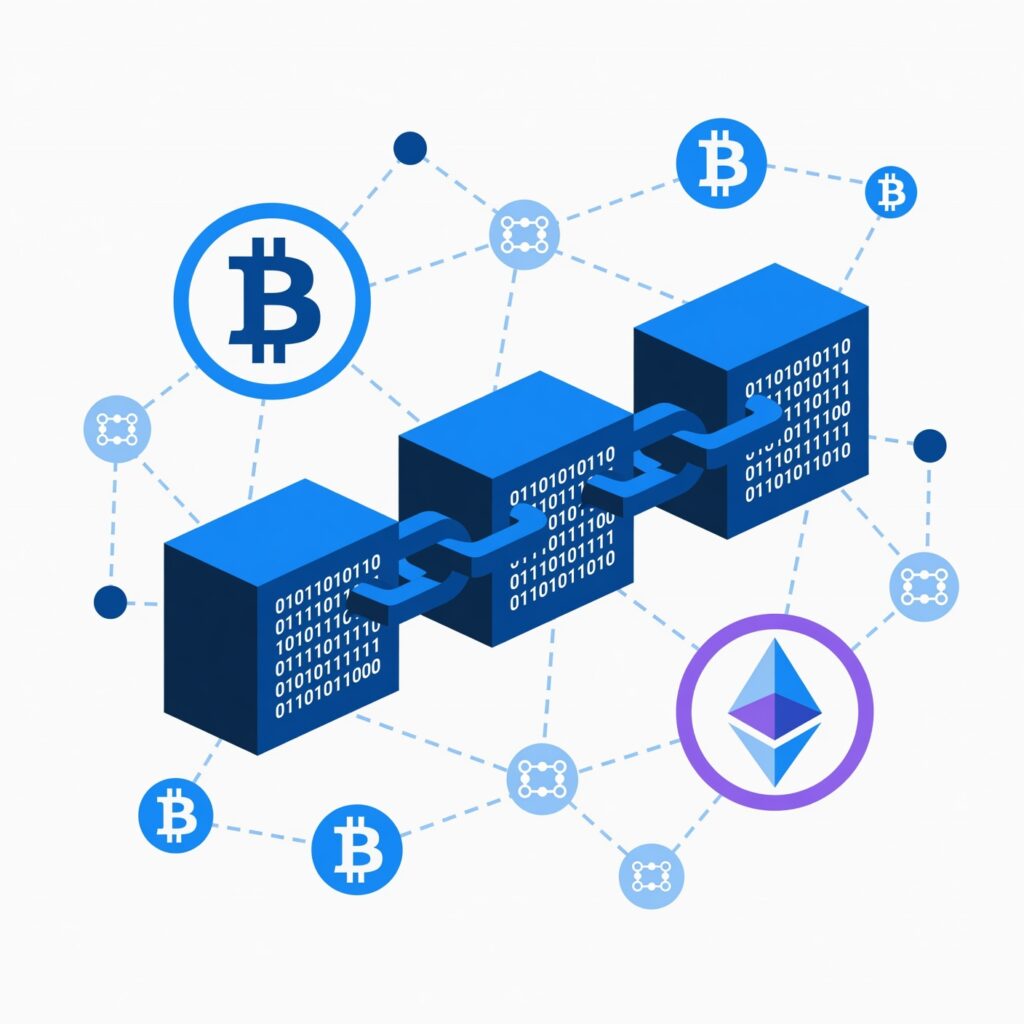
The foundational mechanics of Proof-of-Work networks rely on decentralized participants competing to solve complex cryptographic puzzles. This computational race secures the ledger, verifies transactions, and introduces newly minted coins into circulation. However, the scale of this competition has shifted dramatically over the years.
Global hashrates have climbed into unprecedented territory, reflecting massive technological deployments worldwide. When the foundational protocols first launched, a standard processor or graphics card could easily secure block rewards. Today, the sheer volume of computing power concentrated across global networks means that solo mining without industrial resources is statistically improbable for everyday participants.
Block subsidies also reduce over time through programmed halving cycles, cutting the primary coin issuance reward in half every few years. For instance, Bitcoin’s block subsidy sits at 3.125 BTC per block, forcing miners to rely more heavily on supplementary transaction fees and strict operational efficiency to maintain positive margins.
The Core Pillars of Mining Profitability
Evaluating whether a setup can generate positive returns comes down to four fundamental pillars: electricity expenses, hardware efficiency, network difficulty, and asset market valuation. When these factors align favorably, operations thrive; when they diverge, margins narrow quickly.
+-------------------------------------------------------------------------+
|                      MINING PROFITABILITY TRIANGLE                      |
|                                                                         |
|         [ Hardware Efficiency ] <-----> [ Electricity Cost ]            |
|                    \                               /                    |
|                     \                             /                     |
|                      \                           /                      |
|                       v                         v                       |
|                   [ Network Difficulty ] <-> [ Coin Price ]             |
+-------------------------------------------------------------------------+
Electricity Expenses as the Decisive Factor
Power consumption typically represents the vast majority of ongoing operational expenditures—often accounting for seventy to ninety percent of total monthly costs. Because mining rigs run continuously on a twenty-four-hour basis, even minor differences in kilowatt-hour rates compound rapidly. Operations located in regions with high residential power tariffs struggle to compete against industrial sites situated near cheap renewable or surplus energy sources.
Hardware Efficiency and Joules per Terahash
Older generation machines that once yielded steady returns can quickly become obsolete as manufacturers release advanced Application-Specific Integrated Circuits (ASICs) and high-powered graphics processing units. Efficiency is measured in joules per terahash (J/TH) for ASICs, determining how much electrical power a device consumes to produce a specific amount of computational output. Deploying lower-efficiency hardware often results in power bills that exceed the total value of the digital assets earned.
Network Difficulty and Dynamic Adjustments
Most major Proof-of-Work algorithms feature automated difficulty adjustments designed to keep block generation times stable. When thousands of new, high-powered machines join the network, the difficulty rating rises, reducing the individual payout share for each existing unit. This self-regulating mechanism ensures that network security remains robust regardless of how much total computing power connects to the blockchain.
Analyzing Hardware Categories: ASICs, GPUs, and CPUs
Selecting the correct hardware category depends entirely on the specific blockchain protocol you intend to target, as different networks utilize distinct consensus algorithms.
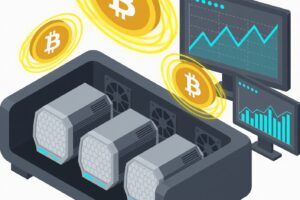
- SHA-256 ASIC Miners: Purpose-built devices designed strictly for networks like Bitcoin. These machines offer massive hashrates but demand specialized electrical setups, dedicated cooling infrastructure, and low industrial power rates to remain viable.
- Scrypt ASIC Miners: Used for networks that support merged mining, such as Litecoin and Dogecoin. Combining rewards from multiple complementary coins helps offset hardware acquisition costs and smooths out income volatility.
- Graphics Processing Units (GPUs): Flexible hardware used to mine alternative coins utilizing memory-intensive, ASIC-resistant algorithms like Ethereum Classic. GPUs offer versatility and resale value outside of mining, making them popular for diversified setups.
- Central Processing Units (CPUs): Certain specialized privacy-focused projects, such as Monero, prioritize decentralization by relying on CPU-friendly mining algorithms. While capital entry barriers are low if you already own a high-end processor, gross revenue yields remain modest.
Hidden Costs and Operational Overhead Challenges
Many prospective participants miscalculate their return on investment by looking solely at raw revenue calculators without factoring in total overhead expenses. Running heavy computational hardware introduces several logistical hurdles that require careful financial planning.
+-----------------------------------------------------------------+
|                    COMMON OVERLOOKED EXPENSES                   |
+-----------------------------------------------------------------+
| * Infrastructure Upgrades (Wiring, transformers, breaker loads) |
| * Thermal Management (Industrial fans, immersion cooling vats)  |
| * Pool Commission Fees (Deductions ranging from 0.5% to 3%)     |
| * Hardware Depreciation (Rapid technological obsolescence)      |
| * Local Taxation (Ordinary income upon receipt, capital gains)  |
+-----------------------------------------------------------------+
Thermal management represents a major expense. High-density computing generates substantial heat, requiring robust ventilation or liquid cooling systems that draw additional power from the grid. Furthermore, mining pools charge commission fees to aggregate hashrate and distribute consistent payouts, which nibbs away at net margins over long periods.
Accounting practices and local regulatory frameworks also play a vital role. In many jurisdictions, newly mined digital assets are treated as ordinary income at their fair market value the moment they hit a wallet. Subsequent price fluctuations upon selling introduce capital gains or losses calculations, adding layers of administrative complexity that require diligent recordkeeping.
Strategic Alternatives: Mining Versus Direct Acquisition

For individuals weighing the pros and cons of setting up a mining rig, a frequent point of comparison is simply purchasing digital assets directly on the open market. Each approach carries distinct risk profiles and capital requirements.
Direct acquisition eliminates the administrative headaches of hardware maintenance, electrical wiring, thermal throttling, and equipment failure. You spend your capital directly on the asset without depreciation risks or utility management.
Conversely, mining functions similarly to establishing a production business. It provides structural exposure to blockchain infrastructure, allows participants to accumulate assets below market rates if they secure exceptionally cheap power, and directly supports decentralized network security. For hobbyists who enjoy the technical challenge, setting up a small-scale operation can be rewarding, provided expectations regarding net profit margins remain realistic.
Future Outlook and Adaptation Strategies for Modern Miners
The long-term viability of cryptocurrency mining depends heavily on ongoing technological innovation and creative energy utilization. As energy grids become more flexible, successful operators increasingly integrate with renewable energy providers, utilizing excess power during off-peak hours or capturing waste heat to warm residential and commercial spaces.
Diversification strategies also help mitigate market downturns. Miners frequently switch between alternative proof-of-work coins or utilize advanced hashing marketplaces that automatically route computing power toward the most lucrative algorithm at any given hour.
Ultimately, mining is no longer a casual pursuit for standard consumers using standard grid electricity. It demands rigorous cost accounting, access to competitive power rates, and high-efficiency hardware. For those equipped with cheap energy and industrial-grade setups, the ecosystem continues to function as a viable, productive enterprise. For others, direct asset accumulation remains the simpler, more straightforward path.