
What Happens to Your Cryptocurrency If an Exchange Goes Bankrupt?

Entering the world of digital assets opens up tremendous opportunities for financial growth, but it also introduces unique risks that traditional finance rarely prepares you for. When you buy Bitcoin, Ethereum, or any other cryptocurrency, one of the first critical lessons you learn is how to store it safely.
For many everyday investors, centralized cryptocurrency exchanges (CEXs) serve as the primary gateway. They are convenient, easy to use, and feature-rich. However, keeping your digital wealth on an exchange means you are trusting a third party to safeguard your investments.
What happens if that exchange suddenly halts operations, files for Chapter 11 bankruptcy, or collapses overnight? Do you still own your coins, or are they gone forever? Understanding the mechanics of exchange insolvency, legal classifications, and recovery steps is essential for protecting your portfolio.
Understanding Centralized Custody vs. Self-Custody
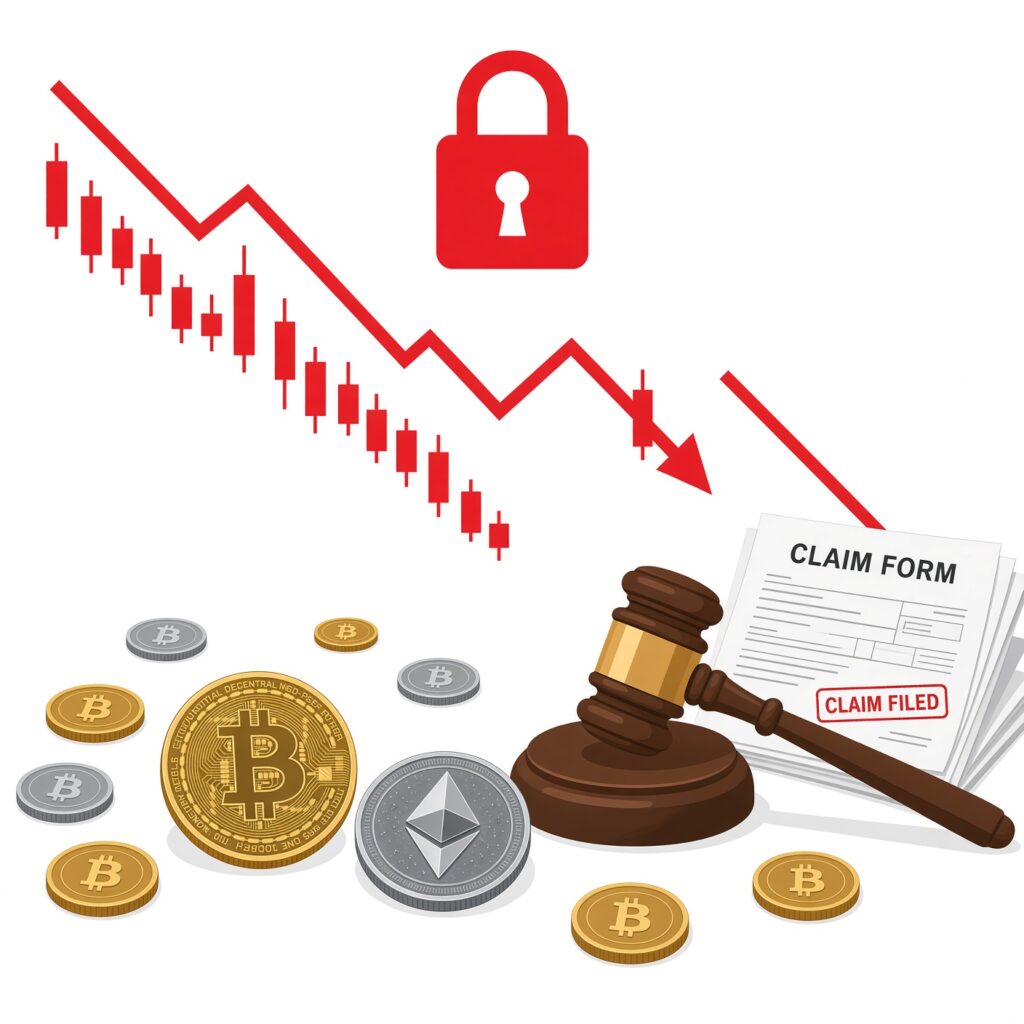
To grasp what happens during a corporate collapse, you first need to understand who actually controls the cryptocurrency stored on a centralized exchange.
When you deposit funds into a mainstream trading platform, you do not receive the private keys to a personal blockchain address. Instead, the exchange takes custody of your assets, credits your balance on their private internal database, and pools user funds together. This arrangement is known as custodial ownership.
- Self-Custody (Non-Custodial Wallets): When you store your crypto on a hardware wallet or software wallet where you hold the private keys and seed phrase, you retain total sovereign control. If a third-party exchange or company goes bankrupt, it has zero direct impact on your personal wallet because the assets do not belong to the corporate entity.
- Exchange Custody (Centralized Platforms): When your crypto sits on an exchange, you rely entirely on their legal structure, financial health, and terms of service. If the platform becomes insolvent, your digital assets are wrapped up in a complex corporate legal proceeding.
The Critical Warning Signs of an Exchange Collapse
Exchanges rarely go bankrupt overnight without leaving a trail of warning signs. Recognizing these red flags can give you precious time to withdraw your funds before withdrawals are completely frozen.
Common indicators that an exchange is facing severe liquidity trouble or impending failure include:
- Sudden Withdrawal Freezes: The most alarming sign. If the platform halts crypto or fiat withdrawals under the guise of “routine maintenance” or “network upgrades” that drag on for days, trouble is usually brewing.
- Imposed Transaction Limits: Capping daily withdrawal amounts or restricting trading pairs signals that the exchange is struggling to maintain adequate liquidity reserves.
- Executive Resignations: Sudden departures of chief executive officers, chief financial officers, or key compliance and legal officers often point to internal disputes over financial irregularities.
- Conflicting Public Statements: Vague reassurances from company leadership claiming that “all customer funds are safe” while denying rumors usually precede structural failure.
- Regulatory Crackdowns: Lawsuits, asset freezes, or cease-and-desist orders from financial regulators can instantly choke off an exchange’s banking relationships and liquidity.
Who Legally Owns the Crypto Inside a Bankrupt Exchange?
The core battleground in any crypto exchange bankruptcy centers around a deceptively simple question: Who is the legal owner of the digital assets sitting in user accounts?
For the average retail investor, it feels obvious—if you deposited one Bitcoin, that Bitcoin belongs to you. However, bankruptcy courts do not operate on intuition; they rely heavily on corporate documentation, local insolvency laws, and the platform’s Terms of Service (ToS).
The Importance of the Terms of Service
When you create an account, you check a box agreeing to long legal agreements that most users never read. Many platforms include clauses stating that digital assets deposited on the platform may be treated as property of the company, or that the company has the legal right to rehypothecate (reuse or lend out) customer assets to generate yield or cover debts.
If the terms of service specify that deposited assets become part of the corporate pool, customers may legally be classified merely as general unsecured creditors.
General Unsecured Creditors vs. Custody Claimants
In a corporate liquidation or bankruptcy restructuring:
- Secured and Priority Creditors (such as tax authorities, administrative expenses, and lenders with collateral) get paid first.
- General Unsecured Creditors (which often includes everyday exchange users whose funds were pooled) share whatever remains after priority debts are settled.
- True Custody Accounts: Some platforms offer segregated custody programs where user assets are legally separated from corporate balance sheets. Account holders in these specific categories have a much stronger legal argument that their coins do not form part of the bankruptcy estate. However, proving asset segregation requires exhaustive auditing of internal ledgers and blockchain records.
The Difference Between Spot Accounts and Yield/Lending Programs
Not all accounts on an exchange carry the same legal risk. The specific product or feature you use heavily dictates your standing if the company collapses:
- Spot Trading Accounts: These are meant for buying and holding assets to trade. While still subject to custodial risks, spot accounts generally enjoy a cleaner legal argument for ownership compared to lending products.
- Earn, Staking, and Lending Programs: Many platforms lure users with high-yield interest accounts. In most historical exchange and lender collapses (such as Celsius or BlockFi), terms of service for yield-generating products explicitly transferred title of the coins to the company in exchange for interest. Consequently, participants in these programs were frequently treated as unsecured creditors with very low recovery rates.
Real-World Precedents: What Past Bankruptcies Taught Us

The cryptocurrency industry has witnessed major high-profile collapses over the years, providing painful lessons regarding customer fund recovery.
The Lessons of Mt. Gox
As one of the earliest and largest exchange failures, Mt. Gox entered bankruptcy proceedings back in 2014. Creditors faced a glacial legal process that spanned well over a decade. While some patient claimants eventually saw distributions, the timeline demonstrated how long legal battles can tie up capital.
The FTX Collapse and Fiat Valuation
When FTX collapsed, it left a massive multi-billion-dollar shortfall. A particularly contentious aspect of the proceedings involved how customer claims were valued. Creditors were largely repaid based on U.S. dollar cash values calculated at the time of the bankruptcy filing rather than the surging market prices of cryptocurrencies during subsequent market rallies. This meant that even users who eventually received dollar payouts missed out entirely on the upside of the broader crypto market.
Step-by-Step Guide: What to Do If Your Exchange Files for Bankruptcy
If an exchange where you hold assets announces insolvency or enters court-supervised restructuring, navigating the aftermath requires extreme caution and careful record-keeping.
+------------------------------------------------------------+
|         STEPS TO TAKE DURING AN EXCHANGE BANKRUPTCY        |
+------------------------------------------------------------+
| 1. Download and preserve all account statements and history|
| 2. Identify official court-appointed claims administrators  |
| 3. Understand your exact claim classification (Spot vs Earn) |
| 4. File official proofs of claim before the legal deadline|
| 5. Guard aggressively against secondary recovery scams     |
+------------------------------------------------------------+
Step 1: Secure and Download Your Records Immediately
Before an exchange disables login access or shuts down its website entirely, log in and download everything. Save account statements, trade histories, deposit confirmations, tax forms, and transaction hashes. Take screenshots of your account balances. Having verifiable evidence of your holdings is critical when filing a claim.
Step 2: Identify Official Legal Representatives
Bankruptcy proceedings attract bad actors instantly. Scammers will set up fake websites, impersonate court trustees, or send phishing emails promising immediate fund recovery. Always verify court dockets, official announcements, and authorized claims agent portals through trusted legal and government sources.
Step 3: Determine Your Claim Classification
Review whether your assets were held in spot trading, margin, or a yield-bearing program. Pay close attention to court notices detailing how different classes of customers will be treated under proposed reorganization or liquidation plans.
Step 4: File a Proof of Claim Before the Deadline
In formal bankruptcy proceedings, the court establishes a bar date—a strict legal deadline by which all creditors must file a formal proof of claim. Missing this deadline can forfeit your right to any future distributions entirely. Ensure your claim is submitted accurately through the official portal.
Step 5: Beware of Recovery Scams
After a devastating loss, victims are frequently targeted by fraudulent “recovery services” or hackers claiming they can hack the bankrupt exchange’s database to retrieve your coins. Never share your private keys, seed phrases, or wallet credentials with anyone, and never pay upfront fees to unofficial recovery agents.
How to Protect Your Crypto Assets Moving Forward
The single most effective defense against exchange bankruptcy is adopting proper security habits. Adhering to the timeless mantra in the digital asset community—“Not your keys, not your coins”—remains the best way to safeguard your wealth.
- Utilize Hardware Wallets: Invest in a reputable hardware wallet (cold storage) to store long-term holdings offline, safely out of reach of corporate insolvencies or exchange hacks.
- Minimize Exchange Balances: Only keep funds on an exchange that you actively intend to trade with in the short term. Once a trade settles, transfer your coins back to a personal self-custody wallet.
- Diversify Your Platforms: If you must use centralized exchanges for trading liquidity, spread your risk across multiple reputable, well-regulated platforms rather than keeping your entire portfolio in one place.
- Read the Terms of Service: Stay informed about how platforms handle custody, asset segregation, and lending risks before depositing your hard-earned capital.
When a cryptocurrency exchange goes bankrupt, customer funds are instantly plunged into a labyrinth of corporate law, asset tracing, and court-supervised liquidation. While some investors manage to recover a portion of their assets after months or years of legal battles, others face severe losses or receive payouts heavily diluted by legal fees and outdated valuation models.
By understanding how custodial risks work, recognizing warning signs early, and taking full control of your digital assets through self-custody solutions, you can shield yourself from the devastating fallout of exchange insolvencies and navigate the crypto ecosystem with confidence.