Are Online Banks Safe? What Consumers Should Know

The way we manage our finances has undergone a massive transformation. Gone are the days when visiting a physical branch was the only way to deposit a check, open a savings account, or apply for a loan. Today, digital-first financial institutions and traditional banks with robust online portals allow consumers to handle their entire financial lives from a smartphone or laptop.
However, with this convenience comes a natural wave of skepticism. Headlines about data breaches, sophisticated phishing schemes, and digital scams often leave everyday consumers asking a fundamental question: Are online banks safe?
For the average consumer, navigating the digital financial landscape can feel overwhelming. Understanding how online banking security works, what protections are legally mandated, and how to spot potential vulnerabilities is essential for peace of mind. This comprehensive guide breaks down everything you need to know about online banking safety, the technology protecting your hard-earned money, and practical steps you can take to stay secure.
How Online Banks Protect Your Money and Data
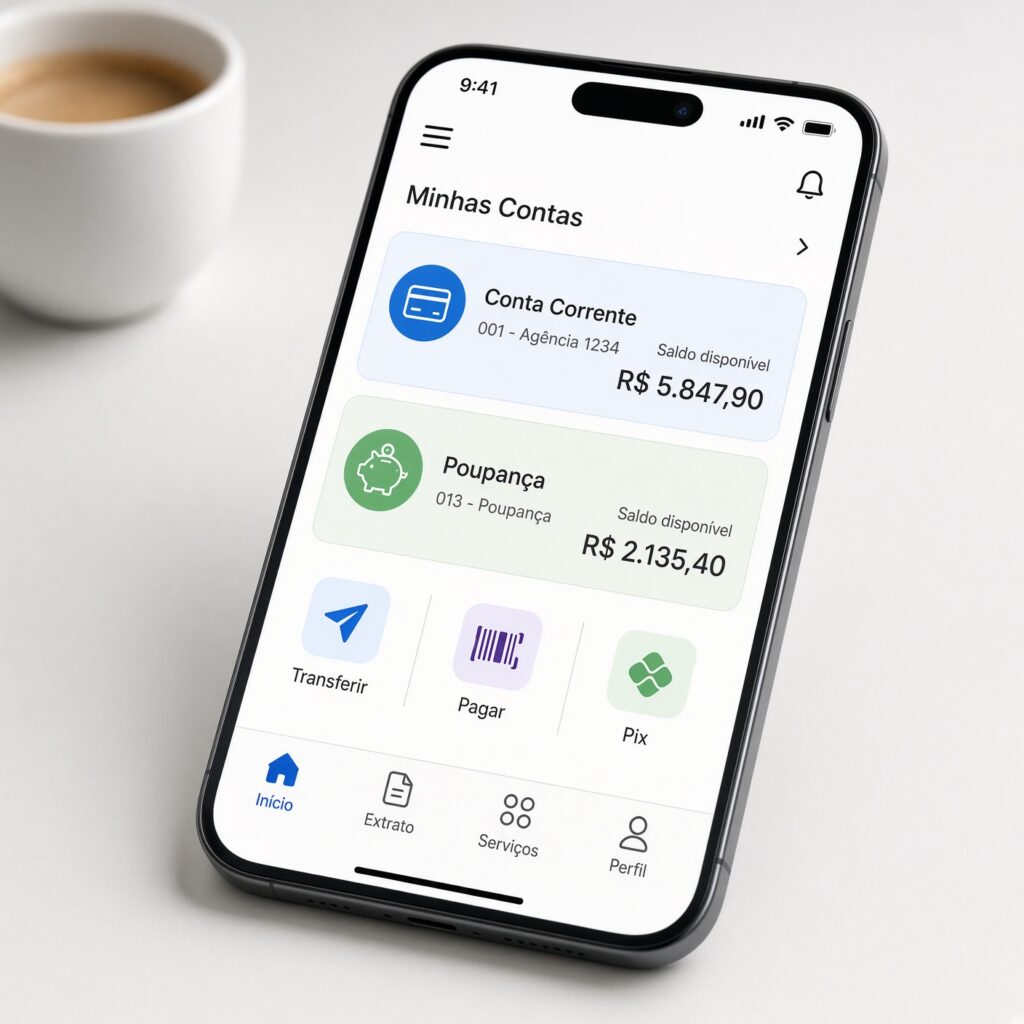
When evaluating the safety of digital banking, it helps to separate financial security (protection against bank failure) from cybersecurity (protection against theft or hacking). Understanding both layers reveals why reputable online institutions are often just as secure—if not more secure—than traditional brick-and-mortar storefronts.
Federal Deposit Insurance: The Ultimate Safety Net
The single most important factor in bank safety is deposit insurance. In the United States, legitimate banks and savings associations are backed by the Federal Deposit Insurance Corporation (FDIC).
- What FDIC Insurance Does: If an FDIC-insured bank experiences financial failure and closes its doors, the U.S. government guarantees the return of your eligible deposits up to $250,000 per depositor, per insured bank, per ownership category.
- The Record: Since the FDIC was established in 1933, no depositor has ever lost a single penny of insured funds due to a bank failure.
- How to Verify: Before opening an account with any digital-only bank or financial platform, you can verify its status using the official FDIC BankFind tool online to ensure your money is fully protected.
Advanced Cybersecurity Architecture
Online-only banks and digital platforms rely entirely on their web and mobile infrastructure, meaning they invest heavily in cutting-edge security measures. Leading institutions employ multiple layers of technical defense:
- Data Encryption: Financial platforms use robust protocols such as AES-256 encryption at rest and TLS 1.3 in transit. This means that even if data were somehow intercepted while traveling across the internet, it would appear as unreadable gibberish without the proper decryption keys.
- Multi-Factor Authentication (MFA): Modern banking security extends far beyond a simple password. Banks increasingly utilize multi-factor verification, including authenticator apps, device-level biometrics (fingerprint and facial recognition), and hardware security keys to ensure that even stolen passwords cannot grant access to your account.
- AI-Driven Fraud Monitoring: Behind the scenes, automated systems analyze your transaction patterns in real time. If an unusual transaction occurs from an unfamiliar location or device, the bank’s fraud detection algorithms can instantly flag the activity, freeze the transaction, or send an urgent alert to your phone.
Common Risks and Real-World Threats in Digital Banking
While bank infrastructure is heavily guarded, bad actors frequently target the human element through social engineering and digital trickery. Knowing the primary threats helps you recognize danger before it compromises your finances.
Phishing and Smishing Campaigns
Phishing involves fraudulent emails, while “smishing” utilizes text messages designed to mimic your bank.
- The Tactic: Scammers send urgent messages claiming there is a security breach, a suspended account, or an unauthorized transaction that requires immediate action. They include links to fake websites that look identical to real banking portals.
- The Reality: Legitimate financial institutions will never cold-call, text, or email you asking for your full password, PIN, Social Security number, or complete account credentials.
Credential Stuffing and Data Breaches
When third-party websites or non-financial apps suffer security breaches, hackers often obtain lists of leaked email addresses and reused passwords. They then use automated software to “stuff” these credentials into banking portals. If you reuse the same password across multiple sites, a breach on an unrelated shopping or social media site can put your bank account directly at risk.
Public Wi-Fi Vulnerabilities
Accessing your banking portal while connected to unsecured public Wi-Fi networks (such as those in coffee shops, airports, or hotels) creates an opportunity for malicious actors to intercept network traffic or execute man-in-the-middle attacks, potentially capturing session cookies or login data.
Essential Best Practices for Ultimate Consumer Safety
Keeping your digital funds secure requires a proactive partnership between the bank’s security systems and your own daily habits. Implementing a few straightforward security rules dramatically reduces your risk exposure.
1. Master Your Login Habits
- Create Unique Passwords: Never reuse passwords across different platforms. Use a reputable, encrypted password manager to generate and store complex strings of characters.
- Enable Strong MFA: Always turn on multi-factor authentication, prioritizing authenticator apps or biometric passkeys over SMS-based verification codes whenever possible.
- Direct Navigation: Never click links in emails or text messages to log into your bank. Always open a fresh browser tab, type your bank’s official web address manually, or use the verified mobile app.
2. Protect Your Devices
- Keep Software Updated: Enable automatic updates for your smartphone operating system, web browsers, and banking applications. Software updates frequently include critical security patches for newly discovered vulnerabilities.
- Secure Your Hardware: Use a strong screen lock (PIN or biometric scan) on your phone, and avoid conducting financial transactions over public Wi-Fi unless you are utilizing a trusted Virtual Private Network (VPN).
- Download Official Apps Only: Always download banking applications directly from the official Apple App Store or Google Play Store by following links provided on your bank’s verified website.
3. Monitor and Automate Alerts
- Turn on Real-Time Push Notifications: Configure your banking app to send instant alerts for every transaction, login attempt, or account modification. Catching unauthorized activity early is your best defense.
- Regularly Review Statements: Make it a habit to audit your account statements monthly to verify that every deposit and withdrawal matches your personal records.
Consumer Rights and Protections: What Happens If Things Go Wrong?

Even with maximum caution, financial fraud can still occur. Fortunately, consumers in the United States benefit from robust federal consumer protection laws that limit financial liability.
Understanding Regulation E
Under the Electronic Fund Transfer Act (implemented via Regulation E), consumer liability for unauthorized electronic fund transfers is strictly limited, provided you report the issue promptly:
- Fast Notification: If you report a lost or stolen debit card or unauthorized electronic transfer within two business days of discovering the issue, your maximum liability is typically limited to $50.
- Reporting Delays: If you wait longer than two business days after receiving your statement showing unauthorized activity, your potential liability can increase, making prompt reporting crucial.
It is important to note that while FDIC insurance protects you if a bank fails financially, fraud and theft protection are governed by consumer protection laws like Regulation E and specific bank policies. Always contact your bank’s fraud department immediately if you suspect unauthorized access.
Weighing Convenience and Security
Online banking is exceptionally safe when approached with awareness, disciplined digital hygiene, and an understanding of regulatory protections. By choosing FDIC-insured institutions, leveraging advanced security features like multi-factor authentication, and remaining vigilant against phishing attempts, consumers can enjoy the unmatched convenience, higher yields, and lower fees of modern digital banking without sacrificing peace of mind.
Staying informed is your best shield in the digital financial world—allowing you to manage your wealth confidently, securely, and efficiently.