How to Avoid Fake Giveaways, Prizes, and Online Promotions

Online giveaways, free gift card offers, and instant-prize contests are among the most popular marketing tactics used by legitimate brands to boost engagement. However, cybercriminals frequently hijack this exact strategy to exploit unsuspecting users. Fake giveaways operate on psychological triggers—primarily the Fear of Missing Out (FOMO), excitement, and urgency—to bypass critical thinking.
When an offer claims you have won an expensive electronic device, a luxury vacation, or a massive retail shopping spree, the natural reaction is excitement. Scammers capitalize on this emotional response to steal personal data, access financial accounts, or install malicious software on your devices. Understanding how these schemes operate is the first step toward building a robust personal cyber defense.
Common Types of Online Contest and Prize Scams
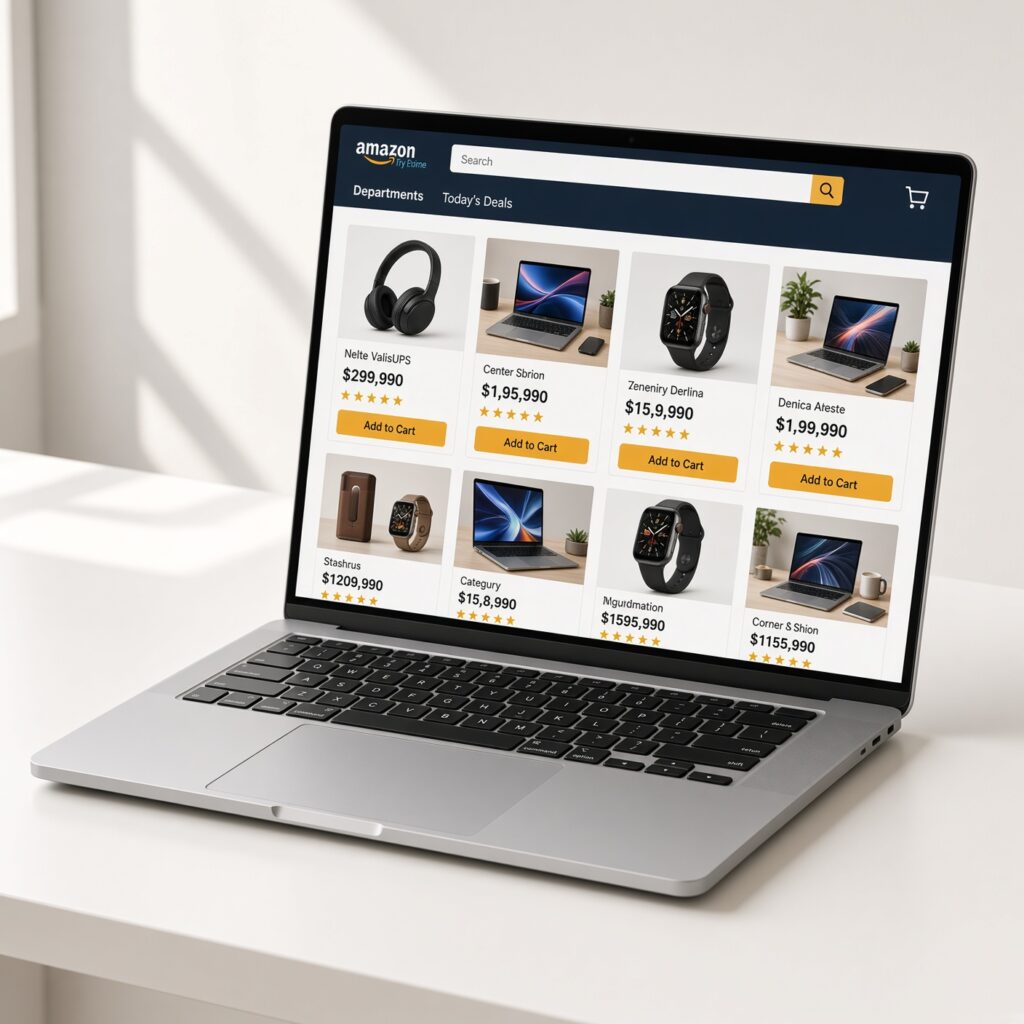
Fake promotions come in many forms, each tailored to exploit different user behaviors across the web. Recognizing the format of a scam makes it vastly easier to spot before engaging.
1. Social Media Impersonation Giveaways
Scammers clone official social media profiles of well-known influencers, brands, or celebrities. They duplicate the profile photo, bio, and recent posts, making the account look legitimate at first glance. They then comment on official posts or send direct messages (DMs) to followers, claiming, “Congratulations! You won our exclusive sweepstakes. Click the link to claim your reward.”
2. Phishing Emails and SMS “Smishing” Alerts
You may receive an unexpected email or text message stating that a package is waiting for you, or that your email address was randomly selected in a monthly raffle. These messages contain tracking links or claiming buttons that redirect you to credential-harvesting websites.
3. Pop-Up Survey and Prize Wheel Ads
While browsing harmless websites, interactive pop-up ads may appear stating you are the “1,000th visitor” of the day. These ads often feature spinning prize wheels or short customer satisfaction surveys promising high-value rewards like smartphones or gift cards upon completion.
4. Gift Card and Crypto Doubling Schemes
Prominent on video platforms and live streams, these scams promise that if you send a small amount of cryptocurrency or pay a processing fee via a digital gift card, the host will return double or triple the value back to you as part of a promotional giveaway.
7 Major Red Flags of Fake Online Giveaways
While online promotions can look surprisingly professional, deceptive offers almost always leave digital breadcrumbs. Look out for these universal warning signs before clicking any links or providing details.
| Warning Sign | What the Scammer Wants | Legitimate Practice |
|---|---|---|
| Upfront Fees or Shipping Costs | Steal credit card details under the guise of “processing.” | Legitimate giveaways never charge winners to receive a prize. |
| Unsolicited Winning Notifications | Lure you into an active scam without prior entry. | You only win contests you actively participated in. |
| Urgent Timers & Countdowns | Force hasty decisions before you can verify facts. | Clear terms with realistic claim deadlines. |
| Requests for Sensitive Personal Info | Identity theft, SSN, banking login credentials. | Basic contact info (Name, Email, Shipping Address). |
| Mismatched URLs & Unverified Handles | Redirect traffic to spoofed landing pages. | Official website domain and verified account badges. |
1. Demands for Upfront Payment or “Shipping Fees”
The single clearest sign of a giveaway scam is a request for money. A real contest host will never ask a winner to pay custom fees, claim fees, handling charges, or shipping costs to receive a prize. If you must enter a credit card number to claim something “free,” it is a fraud.
2. Notifications for Contests You Never Entered
It is impossible to win a drawing, raffle, or sweepstakes that you did not join. If an alert claims your account or phone number was chosen at random for a contest you have no memory of entering, treat the message as malicious.
3. High Pressure and Artificial Urgency
Fraudulent promotional pages frequently display countdown timers (e.g., “Claim in 04:59 minutes or lose your reward!”). Cybercriminals create panic so you act on impulse rather than taking a moment to inspect the web address or terms of service.
4. Requests for Sensitive Personal or Financial Data
Legitimate promotions typically ask for minimal contact information—usually an email address and a name—to enter. If a giveaway landing page asks for your Social Security Number, bank account details, online banking passwords, or credit card security codes, exit immediately.
5. Unverified Accounts and Suspicious Domain Names
Always inspect the handle and web domain carefully. Scammers often use subtle typos, extra characters, or unusual domain extensions to mirror real corporate names (e.g., www.amazon-prizes-claim.net instead of www.amazon.com). On social channels, check whether the account holding the giveaway carries official verification badges and a reasonable account history.
Step-by-Step Guide: How to Verify Real Giveaways

When you encounter an enticing contest or promotion online, follow this verification checklist to determine whether it is authentic.
- Check the Official Website Directly: Never click the link provided inside a promotional message or social comment. Open a clean browser window, type in the brand’s official web address, and navigate to their official news or promotions section to see if the contest exists.
- Inspect the Terms and Conditions (Rules): Authentic giveaways run by registered entities are legally required to provide official sweepstakes rules. Look for structured terms containing legal disclosures, sponsor company details, start/end dates, eligibility criteria, and odds of winning.
- Examine the Social Media Profile History: Verify how long the host account has been active. Cloned scam accounts are often created recently, have low follower counts, zero original posts, or names containing random numbers and punctuation.
- Search Online for Scam Reports: Copy the exact headline or message text of the giveaway and search for it on major search engines alongside words like “scam,” “fake,” or “review.” If thousands of users are receiving identical “winning” notifications, search forums and cybersecurity databases will quickly highlight the threat.
- Use Security Tools: Run unfamiliar links through reputable online URL checkers and domain WHOIS lookup tools to verify when the domain was registered and who owns it.
Psychological Traps Used in Online Fraud
Understanding the technical side of online fraud is vital, but recognizing the social engineering mechanics is equally essential. Cybercriminals design their scams around fundamental human behavioral traits:
- Authority Bias: People tend to trust recognized logos, official brand colors, and public figures. Scammers copy visual identities down to the pixel to exploit this trust.
- Scarcity Principle: By framing rewards as “limited to the first 50 respondents,” scammers provoke quick action, lowering a target’s analytical defense.
- Reciprocity and Gratitude: Receiving news of a major win evokes positive emotion, which makes users far more willing to comply with small requests, such as filling out a brief identity form or paying a small fee.
What to Do If You Have Fallen for a Giveaway Scam
If you suspect you have engaged with a fraudulent promotion or shared sensitive details on a malicious landing page, taking swift action minimizes potential damage.
1. Change Critical Passwords Immediately
If you entered credentials on a suspicious site, change the passwords for those accounts right away. If you reuse that password on other online services, update those accounts as well and enable Multi-Factor Authentication (MFA).
2. Contact Financial Institutions
If you provided credit card numbers, debit card details, or banking information, contact your bank or card issuer immediately. Report the unauthorized transactions, freeze your compromised cards, and request replacements.
3. Place a Fraud Alert or Credit Freeze
If highly sensitive identifying data—such as a Social Security Number or tax ID—was exposed, contact major credit bureaus to place a freeze or fraud alert on your credit files. This prevents unauthorized parties from opening credit accounts in your name.
4. Scan Devices for Malware
If you downloaded any file, application, or browser extension during the giveaway process, disconnect your device from the internet and run a comprehensive scan using updated antivirus software.
5. Report the Scam to Authorities and Platforms
Help protect the broader online community by submitting reports to relevant internet safety entities:
- Social Platforms: Use in-app reporting features to flag fake profiles, fake comments, and deceptive ads.
- Search Engines & Web Hosts: Report deceptive URLs to search engine safe browsing teams.
- Consumer Protection Agencies: File complaints with national fraud reporting portals, consumer protection agencies, or trade commissions in your country.
Essential Cybersecurity Practices for Safe Browsing
Building strong everyday browsing habits is the best defense against evolving digital promotions and fraudulent schemes.
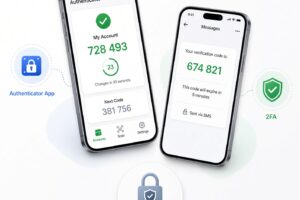
- Enable Multi-Factor Authentication (MFA): Add an extra layer of defense to all critical email, social media, and financial accounts using authenticator apps or security keys.
- Keep Browsers and Software Updated: Regularly update operating systems, web browsers, and security tools to ensure protection against known vulnerability exploits.
- Use Password Managers: Built-in and dedicated password managers will not autofill your saved credentials on spoofed phishing domains, alerting you instantly to fake web addresses.
- Maintain Healthy Skepticism: Treat any unexpected online offer promising substantial rewards with analytical caution. Always remember the foundational cybersecurity rule: if an online deal looks too good to be true, it almost certainly is.