
What Are Deepfake Scams and How Can You Avoid Them?

Artificial intelligence has transformed digital communications, bringing powerful tools to everyday consumers and businesses. However, this technology has also enabled sophisticated social engineering tactics: deepfake scams. By leveraging artificial intelligence to manipulate images, clone human voices, and generate ultra-realistic video footage, cybercriminals are conducting fraudulent operations with unprecedented precision.
Understanding how deepfakes work, recognizing the visual and audio warning signs, and establishing robust security habits are essential steps for navigating today’s internet safely. This comprehensive guide breaks down everything you need to know about AI-driven impersonation threats and actionable ways to keep your finances, identity, and loved ones secure.
Understanding Deepfakes: How Artificial Intelligence Creates Fake Media
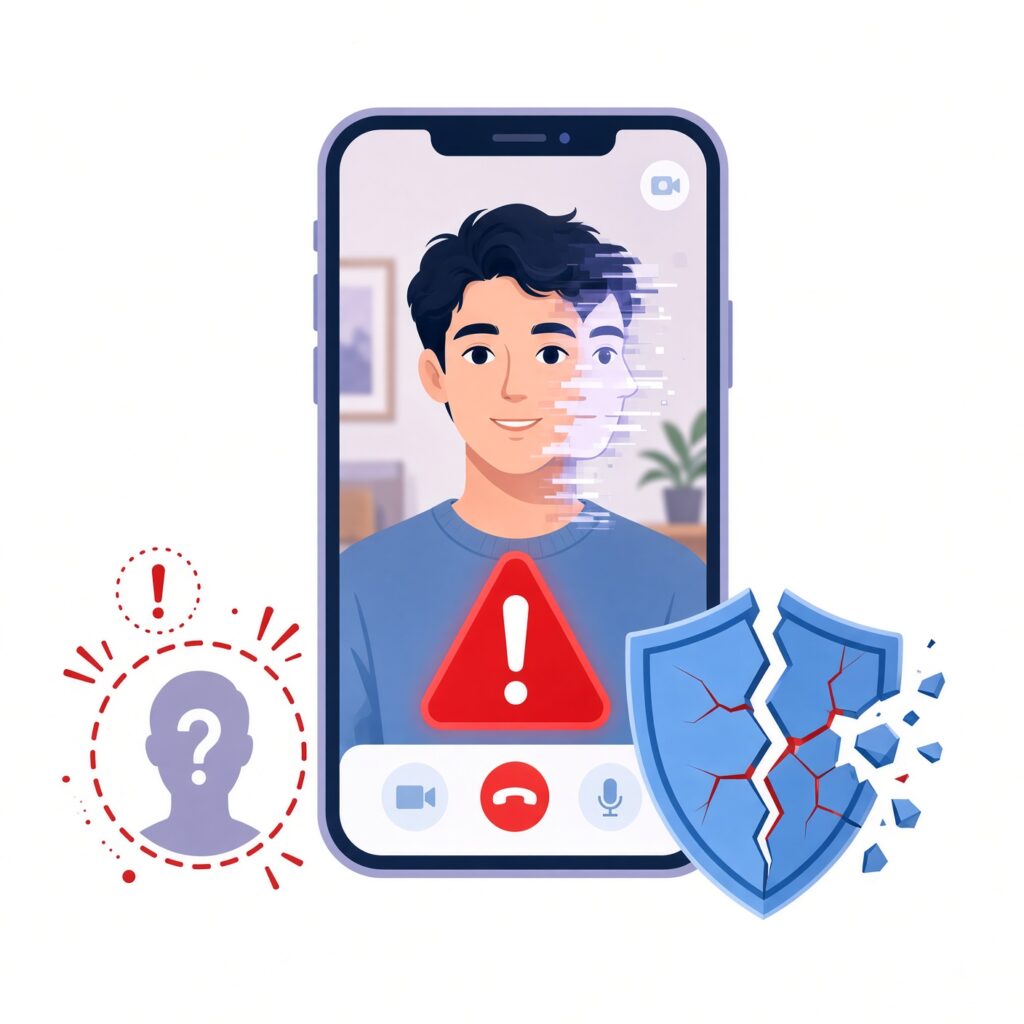
A deepfake is synthetic digital media—including images, audio tracks, or videos—created or modified using deep learning algorithms, a specialized subset of artificial intelligence. Unlike traditional photo editing or basic audio trimming, deepfake tools analyze massive datasets of a target’s real voice, facial expressions, and physical movements to generate brand-new, photorealistic content.
The core mechanism behind deepfake generation involves advanced machine learning architectures, most notably Generative Adversarial Networks (GANs) and neural audio synthesizers:
- Generative Adversarial Networks (GANs): These systems pair two AI models—a generator that creates fake content and a discriminator that evaluates whether the media looks real or fake. By constantly competing against each other, the generator learns to produce media so convincing that even specialized software can struggle to flag it.
- Voice Cloning Models: Audio AI engines require only a few seconds of clean voice recording—easily harvested from public social media videos, podcasts, or voicemail greetings—to synthesize a human voice with precise tone, cadence, and accent characteristics.
- Real-Time Video Rendering: Modern AI platforms can apply facial swaps and voice modifications live during video calls, enabling scammers to impersonate individuals dynamically during interactive web conferences.
The Most Common Types of Deepfake Scams targeting Consumers
As synthetic media tools become widely available, bad actors deploy them across various attack vectors. The most frequent deepfake scams impacting everyday users include:
1. Virtual Kidnapping and Family Emergency Schemes
In this distress-based scam, fraudsters use voice cloning technology to mimic a family member—often a child, grandchild, or spouse. The victim receives a urgent phone call featuring what sounds exactly like their loved one screaming for help, claiming they have been arrested, involved in a serious accident, or kidnapped. The scammer then demands an immediate wire transfer or cryptocurrency payment for bail or medical care. Because the voice matches perfectly, panic often overrides critical thinking.
2. Celebrity Endorsement and Crypto Giveaways
Scammers regularly hijack social media live streams or publish altered promotional videos featuring high-profile business leaders, celebrities, or tech figures. These deepfake videos make it appear as though a trusted public figure is endorsing a fraudulent cryptocurrency platform, pre-sale token, or high-yield investment scheme. Victims are lured into transferring funds to malicious wallet addresses under the promise of doubling their investment.
3. Executive Impersonation and Corporate Fraud
Also known as Business Email Compromise (BEC) with synthetic media, this tactic targets employees at companies of all sizes. Cybercriminals clone the voice or video profile of a company executive, such as a CEO or CFO, to contact finance personnel via phone or video call. The synthetic executive instructs the staff member to execute an urgent payment, bypass standard approval processes, or transfer funds to a fraudulent supplier account.
4. Romance and Online Dating Scams
Online dating platforms and social media apps are increasingly targeted by fraudsters using fake personas. Scammers create complete artificial identities, utilizing deepfake profile pictures and synthetic video calls to establish deep trust with victims. Once an emotional connection is established over weeks or months, the fraudster invents an emergency requirement for financial assistance, such as travel costs, medical emergencies, or business hardships.
5. Identity Theft and Biometric Bypass Attacks
Many financial institutions, online brokerages, and digital payment apps rely on remote identity verification, requiring users to upload a photo of their ID alongside a live selfie video. Bad actors utilize sophisticated deepfake models to spoof these “liveness” tests, creating fake accounts under stolen identities or taking over legitimate user accounts to drain funds.
Key Visual and Audio Signals to Identify Deepfake Content
While AI generation tools improve constantly, subtle artifacts and inconsistencies often remain. Paying close attention to physical, visual, and acoustic details can help identify synthetic media before falling victim to a scam.
| Media Category | Common Deepfake Warning Signals | Detection Tip |
|---|---|---|
| Video & Imagery | Unnatural blinking, odd eye reflections, mismatched lighting, blurry skin textures, distorted earlobes or jewelry. | Ask the caller to turn their head sideways or wave their hand directly in front of their face to disrupt the AI filter. |
| Audio & Voice | Robotic cadence, unusual pauses between phrases, lack of breathing sounds, flat pitch, absent background noise. | Listen for robotic glitches or unnatural pauses; hang up and call back directly on a verified saved number. |
| Context & Behavior | Extreme urgency, demands for immediate wire/crypto transfers, requests to keep secrets from other family/colleagues. | Treat any sudden request for money tied to high emotion or secrecy as high-risk, regardless of how real it sounds. |
When inspecting video feeds, look closely at the boundary lines around the subject’s face and neck. If the person turns their head quickly, deepfake algorithms may briefly glitch, causing the overlay face to warp, flicker, or lose alignment with the physical body.
How to Avoid Deepfake Scams: Practical Protection Strategies
Defending against synthetic media scams requires a combination of technical safety measures, personal verification habits, and structured communication protocols.
1. Establish a Personal Family Safe Word
One of the most effective ways to combat voice-cloned emergency scams is to establish a private passkey or safe phrase with immediate family members and close friends. Pick a unique word or phrase that is never shared publicly, posted on social media, or saved online. If someone calls claiming to be a relative in distress, ask for the safe word immediately to verify their identity.
2. Never Rely on Incoming Caller ID or Media Appearance
Caller ID numbers can be easily spoofed using VoIP software, making an incoming call appear as though it is coming from a relative, employer, or bank. Never accept incoming audio or video feeds as definitive proof of identity. If a call involves money, sensitive credentials, or urgent action, hang up immediately and contact the individual or institution using a pre-saved, verified telephone number.
3. Secure Your Public Voice and Visual Data
AI models require source material to generate realistic clones. Limit the amount of raw audio and high-resolution video publicly available online by adjusting social media privacy settings. Be selective about who can view full-length personal videos or listen to shared audio clips on public profiles.
4. Verify High-Value Transfers Through Secondary Channels
For workplace communications and financial operations, enforce strict dual-authorization procedures for wire transfers, gift card purchases, or changes to bank routing details. Require secondary confirmation over a separate communication medium—such as an out-of-band phone call or in-person verification—before acting on urgent financial requests.
5. Deploy Multi-Factor Authentication (MFA) with FIDO2 Hardware Keys
Traditional password security and basic SMS-based verification can be vulnerable to social engineering. Upgrade account security by enabling strong Multi-Factor Authentication (MFA) across financial, email, and social accounts. Hardware security keys (such as FIDO2/WebAuthn keys) and authenticator apps provide robust protection that cannot be bypassed simply by spoofing a face or voice.
What to Do If You Fall Victim to a Deepfake Fraud Attempt

If you suspect you have encountered a deepfake scam or have accidentally transferred funds to a fraudulent party, taking swift action can help minimize financial and personal harm:
- Contact Your Financial Institution Immediately: Notify your bank, credit card issuer, or platform wire desk right away. Request a transfer freeze or report the transaction as fraudulent to attempt a funds recall.
- Document the Interaction: Save all communication logs, including phone call timestamps, text messages, email headers, original media files, and cryptocurrency wallet addresses used by the scammer.
- File an Official Internet Crime Report: Submit a detailed incident report to local cybercrime authorities and federal complaint centers (such as the FBI Internet Crime Complaint Center – IC3).
- Secure Compromised Accounts: Change passwords immediately and revoke active sessions across all online accounts if sensitive credentials, OTP codes, or personal data were disclosed during the incident.
- Alert Your Network: Inform family members, friends, or workplace IT security teams so they can prepare for secondary phishing attempts or identity spoofing using the same stolen data.
As deep learning tools continue to evolve, staying informed about social engineering tactics remains your best defense. Combining healthy skepticism with robust authentication habits ensures that cybercriminals cannot exploit artificial intelligence to compromise your digital life.