Tokyo Stock Exchange: How Japan’s Stock Market Operates

The Tokyo Stock Exchange (TSE), operated by the Japan Exchange Group (JPX), stands as one of the most vital financial pillars in the global economy. As the largest stock exchange in Asia and a top-tier marketplace worldwide, it hosts industry titans like Toyota, Sony, and Nintendo. For international investors, day traders, and finance enthusiasts, understanding how the TSE operates is essential for navigating modern global markets.
What Is the Tokyo Stock Exchange (TSE)? An Overview for Beginners
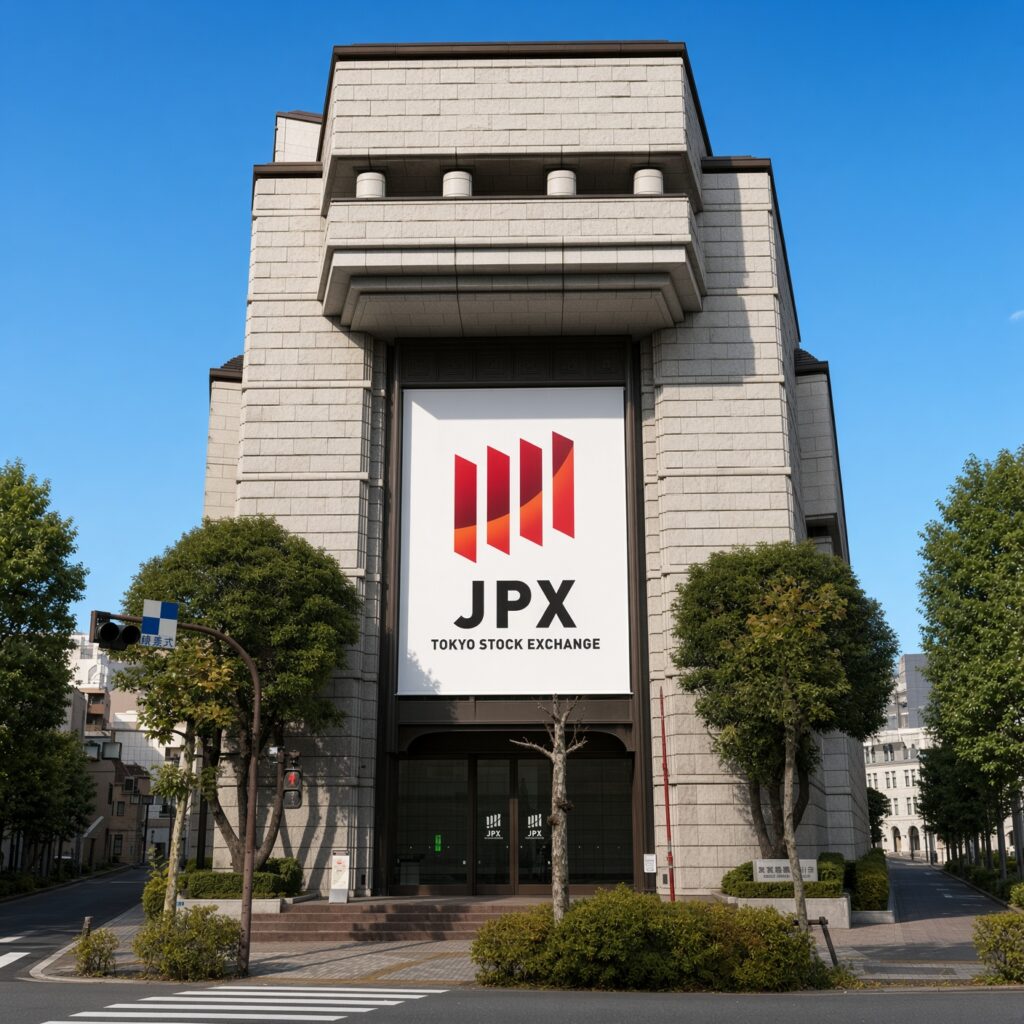
At its core, a stock exchange is a centralized marketplace where buyers and sellers come together to trade shares of publicly held companies. The Tokyo Stock Exchange acts as the heart of Japan’s capital market. Founded in 1878, it has evolved from a traditional trading floor into a fully electronic powerhouse.
For everyday investors, the TSE functions much like the New York Stock Exchange (NYSE) or Nasdaq. It provides a secure, regulated environment where individuals and institutions can buy pieces of major corporations. When you purchase a stock on the TSE, you are investing in the growth, profitability, and future of that company, earning potential returns through dividends or capital appreciation.
Understanding TSE Market Segments: Prime, Standard, and Growth
In 2022, the Tokyo Stock Exchange underwent a massive restructuring of its market sections to enhance transparency, improve corporate governance, and attract international capital. The old sections (First Section, Second Section, Mothers, and JASDAQ) were replaced by three distinct market tiers:
- Prime Market: Designed for large-cap companies committed to high-level corporate governance, sustainable growth, and serving global institutional investors. This segment hosts blue-chip Japanese giants.
- Standard Market: Tailored for companies with solid medium-scale market capitalization that maintain baseline compliance and liquidity standards.
- Growth Market: Focused on emerging, high-growth enterprises with unique business models and high-risk, high-reward potential, similar to early-stage tech ventures.
This clear categorization helps investors easily match their risk tolerance and investment strategies to the right type of Japanese enterprise.
TSE Trading Hours: When and How the Japanese Market Operates
Unlike the continuous electronic trading found on many Western exchanges, the Tokyo Stock Exchange features a distinct schedule rooted in both electronic efficiency and traditional market breaks.
Standard Trading Sessions
The TSE operates Monday through Friday, excluding national holidays. The trading day is split into two primary blocks with a midday recess:
- Morning Session: 9:00 AM – 11:30 AM (Japan Standard Time – JST)
- Midday Break: 11:30 AM – 12:30 PM JST (A complete pause in trading inherited from historical trading floors)
- Afternoon Session: 12:30 PM – 3:30 PM JST (Continuous trading up to the closing auction)
How Orders Are Executed
The TSE utilizes sophisticated matching systems. Rather than continuous matching every single split-second from the opening bell, it uses auction methods (Itayose) during market openings and closings to establish fair opening and closing prices, transitioning to continuous matching (Zaraba) during regular hours.
Key Benchmarks: Decoding the Nikkei 225 and TOPIX Indices
When tracking the performance of the Tokyo Stock Exchange, financial news outlets almost always reference two major benchmarks:
- The Nikkei 225: A price-weighted index comprised of Japan’s top 225 blue-chip companies across diverse industrial sectors. Much like the Dow Jones Industrial Average in the United States, it provides a quick pulse check on overall market momentum.
- TOPIX (Tokyo Stock Price Index): A capitalization-weighted index that tracks all domestic common stocks listed on the Prime Market. Because it covers a much broader basket of companies and weights them by market value, institutional investors often view TOPIX as a more accurate reflection of Japan’s broader economic health.
How Foreign and International Investors Access the TSE
For international investors looking to diversify their portfolios beyond domestic borders, gaining exposure to the Tokyo Stock Exchange is more accessible than ever.
- Global Brokerage Accounts: Many major online brokerage platforms in the United States and Europe allow retail investors to trade international equities directly or access foreign ordinary shares through ADRs (American Depositary Receipts).
- Exchange-Traded Funds (ETFs) and Mutual Funds: Investors seeking instant diversification can purchase index-tracking ETFs traded on US exchanges that replicate the performance of the Nikkei 225 or TOPIX, eliminating currency conversion hurdles and direct foreign exchange management.
The Role of Corporate Governance and Economic Reforms in Japan
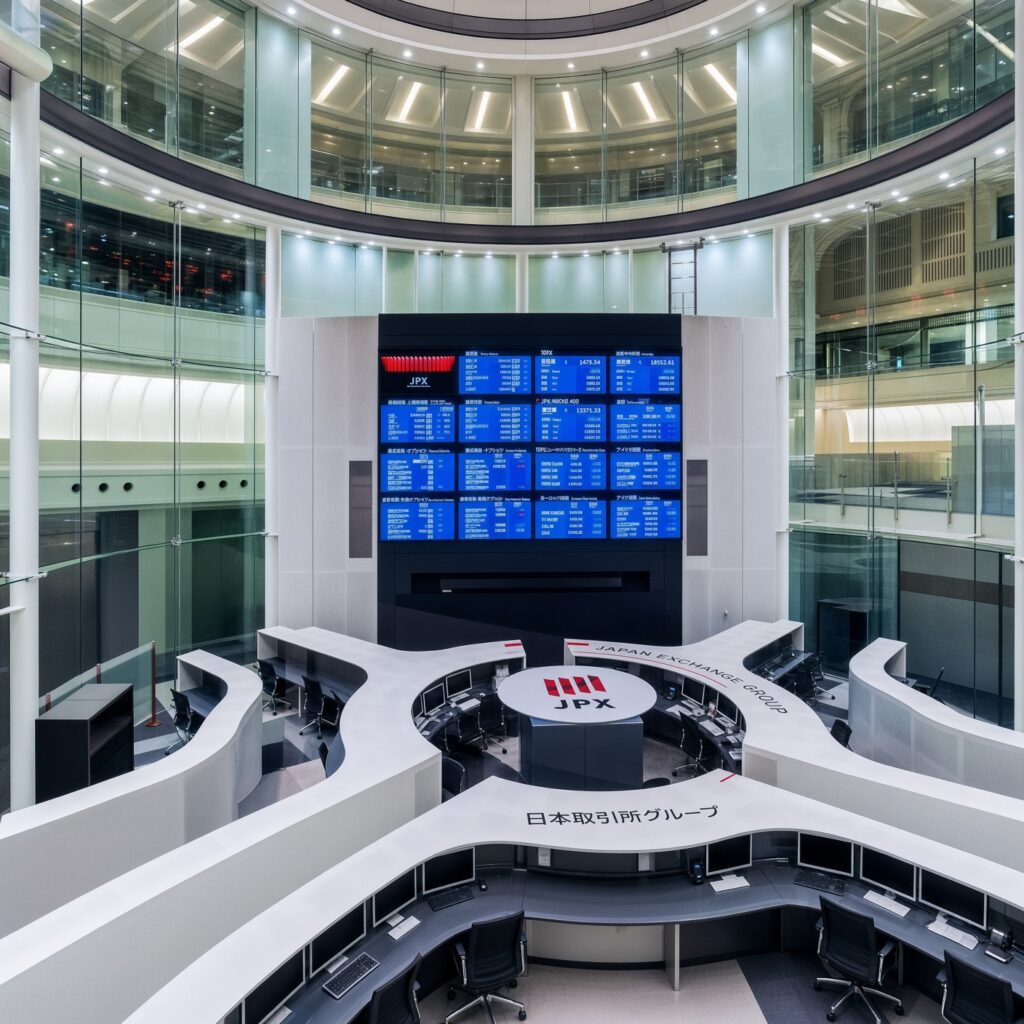
Over the past decade, Japan has experienced a financial renaissance driven by aggressive corporate governance reforms. Backed by the Tokyo Stock Exchange and government initiatives, Japanese corporations have faced mounting pressure to optimize capital efficiency, increase shareholder returns, unwind cross-shareholdings, and appoint independent outside directors.
These structural upgrades have successfully drawn waves of foreign institutional capital back to Tokyo, transforming the TSE into a dynamic, shareholder-friendly marketplace that rewards long-term investors.
Why the Tokyo Stock Exchange Matters to Your Portfolio
The Tokyo Stock Exchange is far more than just a historical landmark of Asian finance; it is a modern, highly liquid, and evolving ecosystem packed with global innovators and stable dividend-paying giants. By understanding its market segments, trading hours, and primary indices, investors can unlock powerful diversification opportunities and tap into the unique momentum driving Japan’s modern economic landscape.