
RECENT POSTS

What Are Opening and Closing Auctions in Stock Exchanges?
If you have ever watched the stock market, you might picture a continuous stream of flickering green and red numbers, with shares changing hands every millisecond. While continuous trading defines…
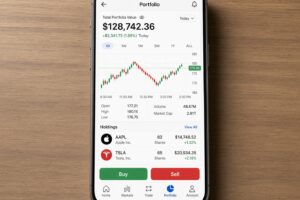
What Are the Best Times of Day to Trade Stocks?
Navigating the stock market can feel like stepping onto a bustling trading floor where everyone speaks a fast-paced language. For beginners, one of the most vital lessons to learn early…
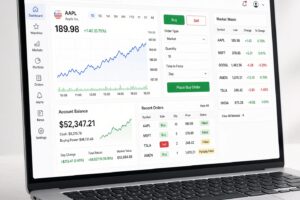
Can You Trade Stocks 24 Hours a Day?
For decades, the stock market was viewed as a traditional 9:30 AM to 4:00 PM Eastern Time operation. Investors had to wait for the opening bell to buy or sell…
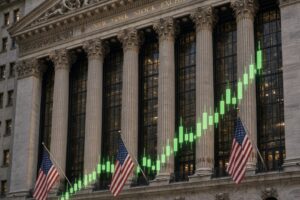
What Is the New York Stock Exchange (NYSE)?
The New York Stock Exchange (NYSE), often referred to as “The Big Board,” stands as the largest stock exchange in the world by market capitalization. Situated at 11 Wall Street…

Dow Jones vs. S&P 500: What Is the Difference?
When tracking financial news and evaluating financial markets, the names Dow Jones Industrial Average and S&P 500 appear constantly. Both indicators serve as barometers for market sentiment, economic health, and…

Which Companies Are Listed on the NYSE vs. Nasdaq?
When investors step into the world of global financial markets, two names dominate the conversation: the New York Stock Exchange (NYSE) and the Nasdaq Stock Market. Both of these powerhouse…
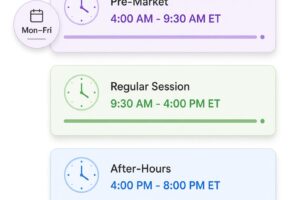
What Are Pre-Market and After-Hours Stock Trading?
The global financial markets never truly sleep. While the core session of major equity exchanges operates within standard, fixed hours, trading activity frequently continues long before the opening bell rings…

What Are the Largest Stock Exchanges in the World?
Global stock exchanges form the backbone of modern capitalism, serving as primary venues for companies to raise growth capital and enabling investors worldwide to acquire equity stakes in leading global…

Regular Trading Hours vs. Extended Hours: Key Differences
Navigating financial markets requires a thorough understanding of operational market structure. Stock exchanges do not operate in a vacuum; they function within specific timeframes that dictate liquidity, execution speeds, volatility…

NYSE vs. London Stock Exchange: What Investors Should Know
Navigating international capital markets requires a clear understanding of where global equity flows, how liquidity is distributed, and how market architecture impacts portfolio execution. The New York Stock Exchange (NYSE)…